
Heart Surgery: Your Complete Guide
At BestHeartSurgery.com, we provide comprehensive information about all types of heart surgeries, from coronary artery bypass grafting (CABG) to heart transplants. Our goal is to help you understand your options and make informed decisions about your cardiac care.
Types of Heart Surgeries
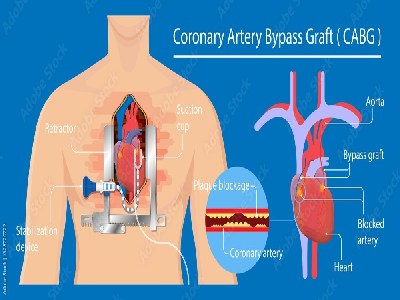
Coronary Artery Bypass Grafting (CABG)
The most common type of heart surgery, CABG uses healthy blood vessels from another part of the body to bypass blocked coronary arteries, restoring blood flow to the heart muscle.
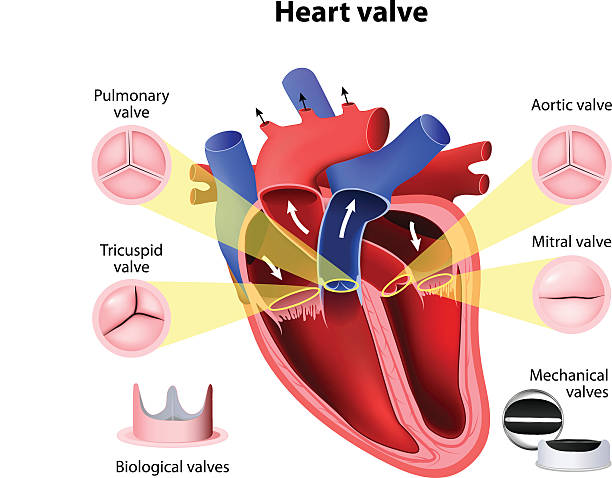
Heart Valve Repair and Replacement
Surgery to repair or replace damaged heart valves using mechanical or biological prostheses, restoring normal blood flow through the heart.

Minimally Invasive Heart Surgery
Advanced techniques using small incisions, robotic assistance, and endoscopic approaches to perform heart surgery with less pain and faster recovery.
Benefits of Medical Tourism for Heart Surgery
Many patients choose to travel abroad for heart surgery to access world-class care at significantly lower costs. Top destinations include India, Turkey, Thailand, Singapore, Germany, and the USA. BestHeartSurgery.com helps you compare options and find the right hospital for your needs.
Our comprehensive resources include pre-surgery preparation guides, recovery timelines, cost comparisons, and patient testimonials to help you every step of the way.
Frequently Asked Questions About Heart Surgery
Open-heart surgery involves a full sternotomy (opening the chest through the breastbone) and often a heart-lung machine. Minimally invasive surgery uses small incisions between the ribs, sometimes with robotic assistance, leading to less pain, smaller scars, and faster recovery — but not every patient or condition is suitable.
Recovery varies by procedure: CABG typically takes 6–12 weeks, valve surgery 4–8 weeks, and minimally invasive procedures 2–4 weeks. Cardiac rehabilitation significantly improves and speeds up recovery.
Like any major operation, heart surgery carries risks including bleeding, infection, irregular heart rhythms, stroke, and reactions to anesthesia. Risks are higher in emergencies and complex cases, but modern techniques and high-volume centers keep complication rates low.
Some chest discomfort and soreness are normal, especially around incision sites. Hospitals use a combination of medications and pain-management plans to keep you comfortable, and discomfort decreases noticeably over the first two weeks.