Heart & Vascular Conditions
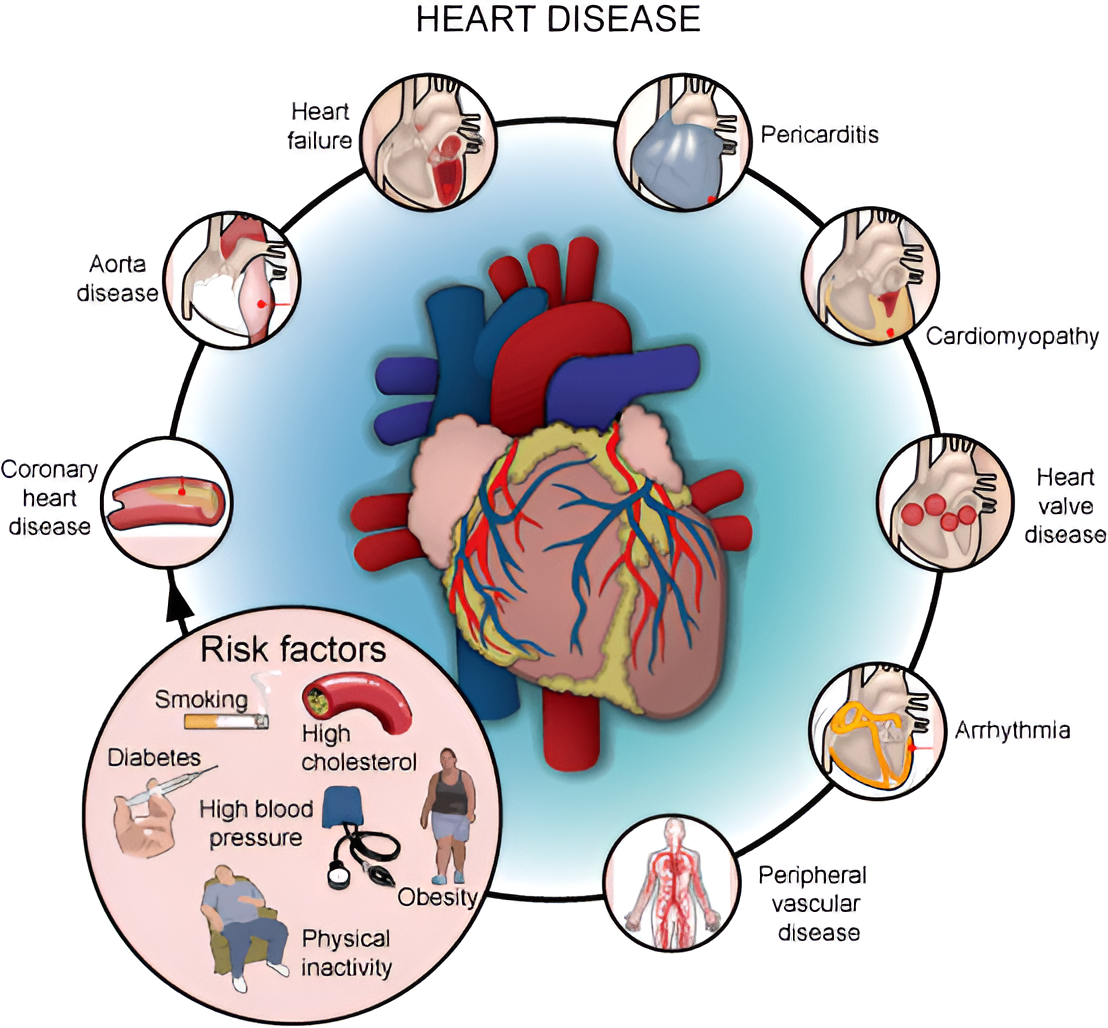
Browse our comprehensive index of heart conditions — from coronary artery and valvular disease to congenital defects and heart failure. Each guide explains symptoms, diagnosis, treatment and where to find world-class care.
No conditions found matching your search
Frequently Asked Questions About Heart Disease
Common warning signs include chest pain or pressure (angina), shortness of breath, palpitations, dizziness, fatigue, and swelling in the legs. Severe chest pain, fainting, or pain radiating to the arm or jaw can signal a heart attack — seek emergency care immediately.
Yes, in many cases. Early-stage heart disease is often managed with lifestyle changes and medication. Catheter-based procedures like angioplasty treat blockages without open surgery. Surgery is reserved for advanced or complex disease.
Genetics do increase risk — conditions like hypertrophic cardiomyopathy and some arrhythmias run in families. But lifestyle factors (diet, smoking, exercise, blood pressure, cholesterol) play a major role and are within your control.
Diagnosis typically involves a physical exam, ECG, echocardiogram, stress test, blood tests, and sometimes cardiac catheterization or CT angiography. These tests help determine the type and severity of disease and guide treatment.