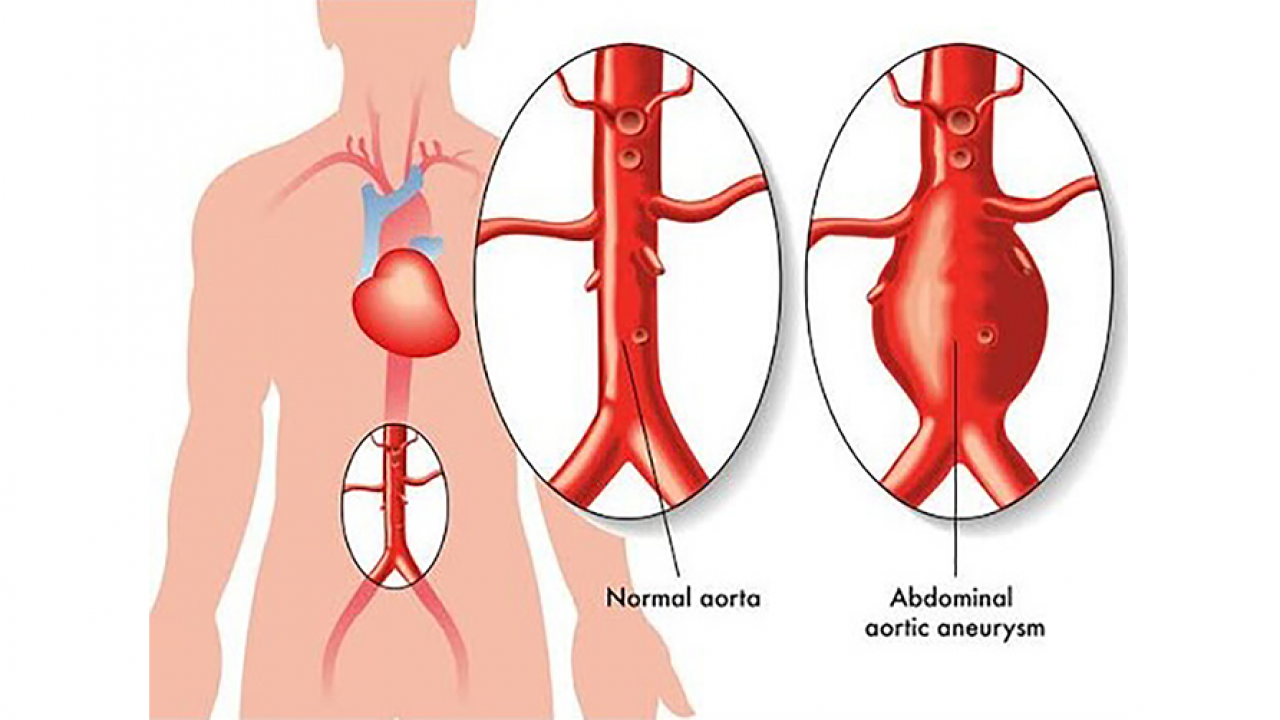
Aortic Aneurysm
An aortic aneurysm is a bulge in the wall of the aorta, the body's main artery. Learn about the different types, when treatment is needed, and where to find expert open and endovascular repair worldwide.
Showing 5 conditions
No conditions found matching your search
Try adjusting your search or browse all diseases
Related Categories
Frequently Asked Questions About Aortic Aneurysm
An aortic aneurysm is a weak, bulging area in the wall of the aorta — the body's main artery. As it grows, the risk of a life-threatening rupture or dissection increases. Many aneurysms cause no symptoms and are found on imaging scans.
Surgery is usually recommended once an aneurysm reaches a size where rupture risk outweighs surgical risk (often around 5.5 cm for the ascending aorta), or if it is growing rapidly or causing symptoms. Smaller aneurysms are typically monitored with regular imaging and blood-pressure control.
Open repair is a major operation that replaces the diseased aortic segment with a synthetic graft. Endovascular repair (EVAR/TEVAR) is minimally invasive, threading a stent-graft into place via small groin incisions, offering faster recovery — though not every aneurysm anatomy is suitable for it.