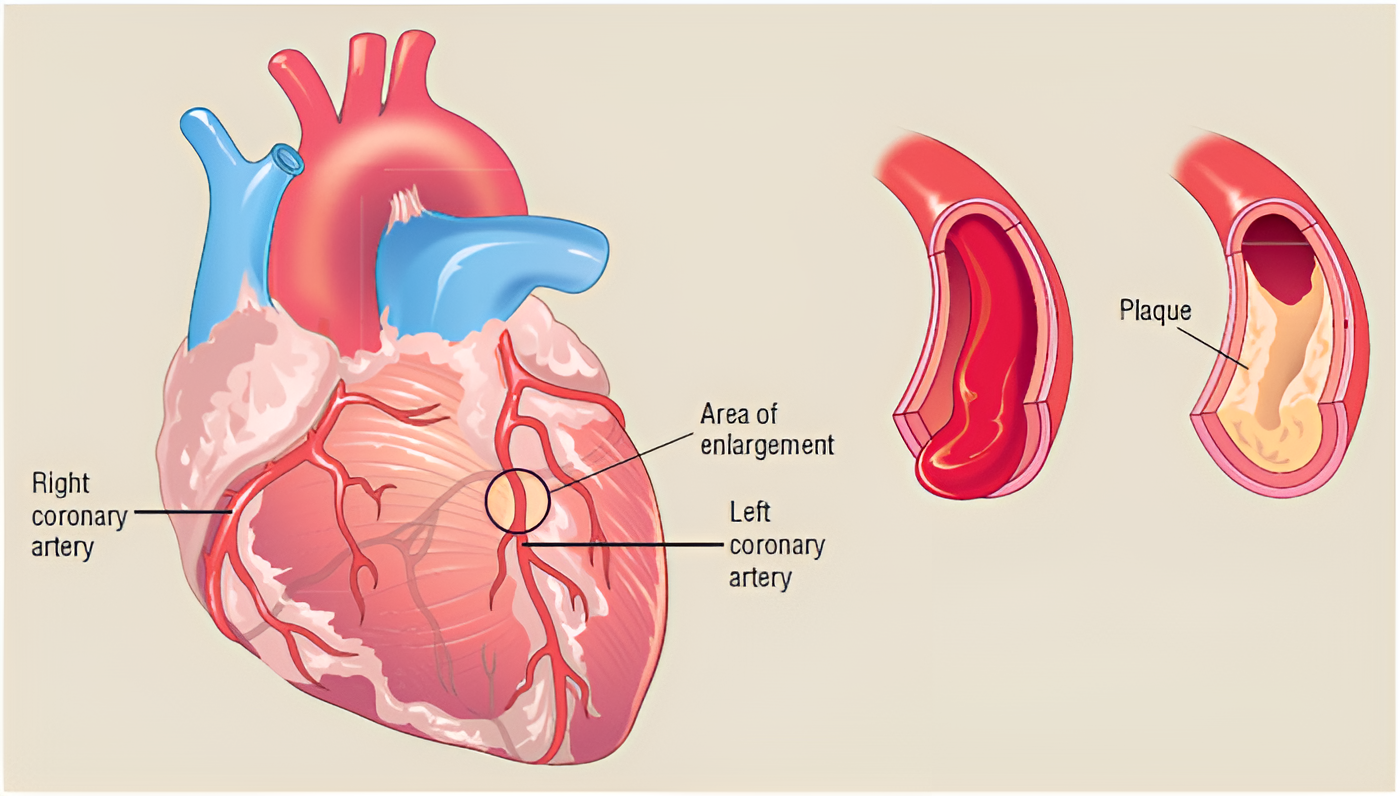
Coronary Artery Disease
Coronary artery disease (CAD) is the most common type of heart disease, affecting over 200 million people worldwide. It occurs when plaque buildup narrows the arteries supplying blood to the heart. Browse our comprehensive guides on different types of CAD and find the best hospitals for treatment.
Showing 6 conditions
No conditions found matching your search
Try adjusting your search or browse all diseases
Related Categories
Frequently Asked Questions About Coronary Artery Disease
Coronary artery disease is the narrowing or blockage of the coronary arteries, usually caused by atherosclerosis — the buildup of cholesterol and fatty deposits (plaque) on the inner walls of the arteries. This reduces blood flow to the heart muscle, which can cause chest pain (angina), shortness of breath, and heart attack.
Treatment ranges from lifestyle changes and medications to interventional procedures and surgery: Medications (statins, beta-blockers, aspirin), Angioplasty & Stenting (minimally invasive), and CABG (coronary artery bypass grafting — open heart surgery to create new routes for blood flow).
CABG is typically recommended for patients with: left main coronary artery disease, multi-vessel disease (especially in diabetics), complex blockages not suitable for stenting, or failed previous angioplasty. Your cardiac team will determine the best approach based on your angiogram results and overall health.