Valvular Heart Disease
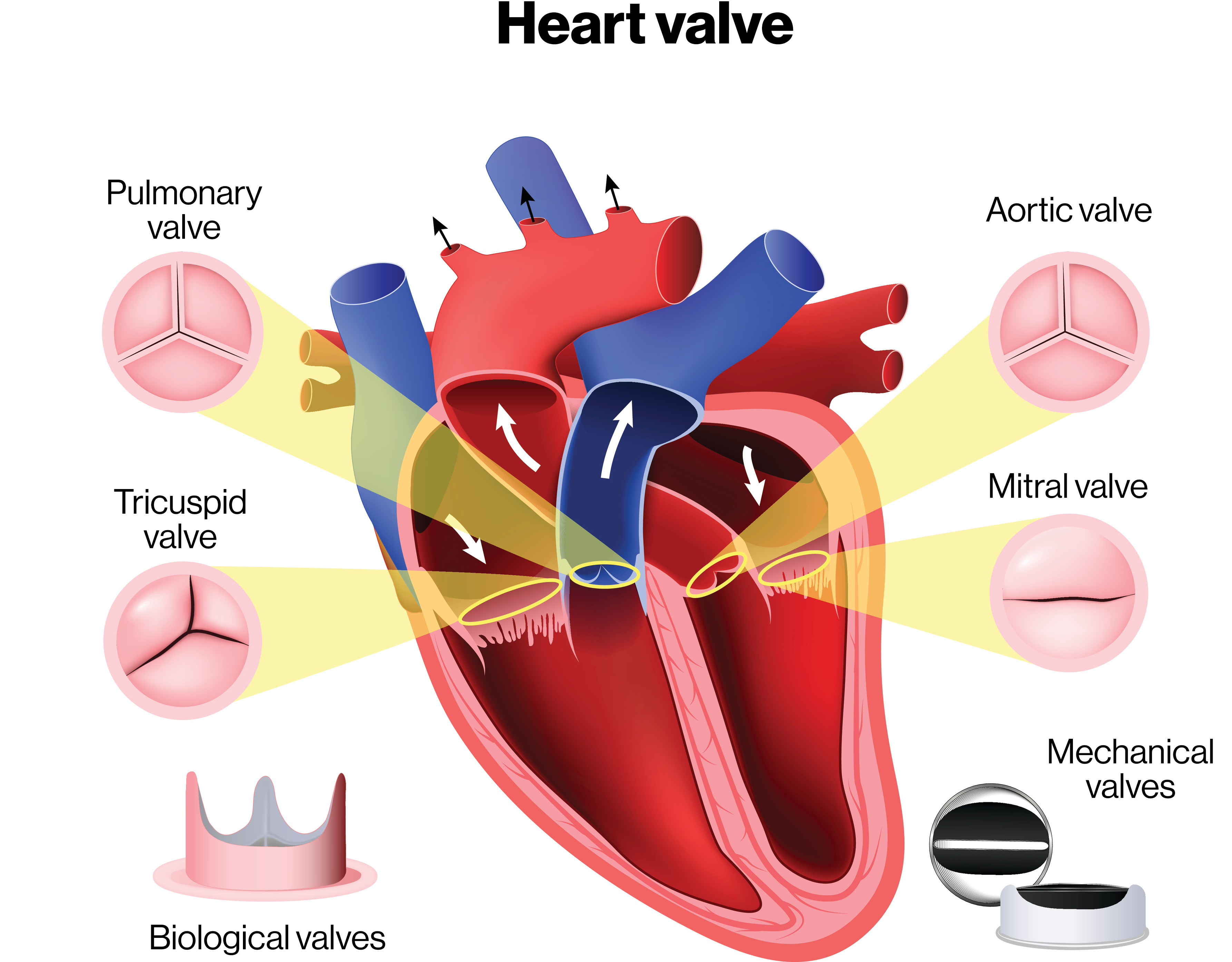
Valvular heart disease involves damage to or a defect in one of the four heart valves — affecting blood flow through the heart. Learn about the different types, symptoms, and where to find expert care worldwide.
Showing 3 conditions
No conditions found matching your search
Try adjusting your search or browse all diseases
Related Categories
Frequently Asked Questions About Valvular Heart Disease
Valvular heart disease occurs when one or more of the heart's four valves don't work properly. Valves can become narrowed (stenosis), leaky (regurgitation), or both. This forces the heart to work harder and can lead to heart failure if untreated.
Valve surgery is recommended when the valve dysfunction is severe enough to cause symptoms (shortness of breath, chest pain, fatigue), or when imaging shows significant heart chamber enlargement or reduced function. The decision is based on echocardiogram results and clinical assessment.
There are two main types: Mechanical valves made from durable materials (last a lifetime but require lifelong blood thinners), and Biological valves made from human or animal tissue (last 12-15 years but typically don't require blood thinners). Some patients may be candidates for transcatheter approaches (TAVR).