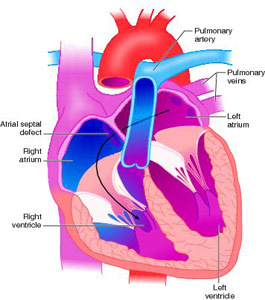
1. Procedure Overview
Congenital heart procedures encompass a wide range of surgical and catheter-based interventions designed to repair structural heart defects present from birth. These defects affect the heart’s chambers, valves, or blood vessels, disrupting normal blood flow and oxygen delivery. Congenital heart disease (CHD) ranges from simple defects (small holes) to complex anomalies requiring multiple staged surgeries.
Congenital heart procedures are performed on patients of all ages — from newborns requiring emergency intervention to adults living with undiagnosed or previously repaired defects (Adult Congenital Heart Disease, ACHD). Advances in pediatric cardiac surgery and interventional cardiology have dramatically improved outcomes, with more than 90% of children born with CHD now surviving into adulthood.
Procedures may be performed through traditional open-heart surgery (with sternotomy and cardiopulmonary bypass), minimally invasive techniques (smaller incisions), or entirely through catheter-based approaches (using thin tubes inserted through blood vessels). The choice depends on the specific defect, patient age and size, and institutional expertise.
2. Key Facts at a Glance
| Aspect | Details |
|---|---|
| Also known as | CHD repair, congenital heart surgery, pediatric heart surgery, ACHD surgery |
| Procedure type | Mixed: Open-heart surgery, minimally invasive surgery, catheter-based intervention |
| Typical duration | 2-8 hours (varies by defect complexity) |
| Anaesthesia | General anaesthesia for surgical procedures; local/sedation for some catheter-based |
| Hospital stay | 3-10 days for surgical; 1-2 days for catheter-based |
| Initial recovery | 2-6 weeks for surgical; 1 week for catheter-based |
| Full recovery | 3-6 months for complete healing and return to normal activities |
| Longevity | Many repairs are durable for lifetime; some require reintervention in 10-20 years |
| Common defects treated | ASD, VSD, PDA, TOF, valve abnormalities, coarctation, TGA |
3. Anatomy and How the Heart Condition Develops
The normal heart has four chambers (right and left atria, right and left ventricles) and four valves (tricuspid, pulmonary, mitral, aortic). Deoxygenated blood returns from the body to the right atrium, passes through the tricuspid valve to the right ventricle, then is pumped through the pulmonary valve to the lungs for oxygenation. Oxygenated blood returns to the left atrium, passes through the mitral valve to the left ventricle, and is pumped through the aortic valve to the body.
Congenital heart defects develop during fetal development, typically between 3-8 weeks of gestation, when the heart is forming. Genetic factors (chromosomal abnormalities like Down syndrome, single gene mutations) and environmental influences (maternal infections, alcohol, certain medications, diabetes) can disrupt normal heart development.
Common developmental errors include:
- Failure of septal formation (holes between chambers)
- Abnormal valve development (stenosis or regurgitation)
- Failure of blood vessel rotation (transposition of great arteries)
- Persistence of fetal circulation pathways (patent ductus arteriosus)
- Underdevelopment of heart chambers or vessels (hypoplastic left heart syndrome)
The severity depends on which structures are affected and how significantly blood flow or oxygenation is compromised. Some defects cause immediate life-threatening problems in newborns, while others may not cause symptoms until adulthood.
4. Conditions Treated
Congenital heart procedures treat a wide spectrum of structural defects:
Septal Defects (Holes):
- Atrial Septal Defect (ASD) — hole between atria
- Ventricular Septal Defect (VSD) — hole between ventricles
- Atrioventricular Septal Defect (AVSD) — combined atrial and ventricular defect, often with valve abnormalities
Valve Abnormalities:
- Pulmonary stenosis — narrowed pulmonary valve
- Aortic stenosis — narrowed aortic valve
- Ebstein’s anomaly — displaced tricuspid valve
- Valve regurgitation — leaky valves from structural abnormalities
Vessel Abnormalities:
- Patent Ductus Arteriosus (PDA) — persistent fetal connection between aorta and pulmonary artery
- Coarctation of the aorta — narrowing of the aorta
- Aortic arch anomalies — abnormal vessel branching
Complex Cyanotic Defects:
- Tetralogy of Fallot (TOF) — VSD, pulmonary stenosis, overriding aorta, right ventricular hypertrophy
- Transposition of the Great Arteries (TGA) — aorta and pulmonary artery switched
- Truncus Arteriosus — single vessel arises from both ventricles
- Total Anomalous Pulmonary Venous Return (TAPVR) — pulmonary veins drain incorrectly
Single Ventricle Physiology:
- Hypoplastic Left Heart Syndrome (HLHS) — underdeveloped left heart structures
- Tricuspid atresia — missing tricuspid valve
- Other single-ventricle variants requiring Fontan palliation
5. Symptoms and Warning Signs
Symptoms vary widely by defect type and severity:
In Newborns and Infants:
- Cyanosis — bluish tint to skin, lips, nail beds (indicating low oxygen)
- Rapid breathing or difficulty breathing (tachypnea, dyspnea)
- Poor feeding and failure to thrive
- Excessive sweating with feeding
- Fatigue during feeds
- Heart murmur — abnormal sound heard on examination
- Swelling (edema) in legs, abdomen, or around eyes
In Older Children and Adults:
- Shortness of breath especially with exertion
- Easy fatigability and reduced exercise tolerance
- Heart palpitations or irregular heartbeats
- Chest discomfort or pain
- Fainting or dizziness (syncope)
- Swelling in ankles, feet, or abdomen
- Stroke symptoms (in untreated ASD causing paradoxical embolism)
Adult Congenital Heart Disease (ACHD) Specific:
- Arrhythmias — atrial fibrillation, flutter
- Heart failure symptoms — progressive shortness of breath, swelling
- Exercise intolerance developing gradually
- Cyanosis developing later in life (Eisenmenger syndrome)
Some defects (small ASDs, VSDs) may cause no symptoms and be discovered incidentally during imaging for other reasons.
6. When Is This Procedure Recommended?
Intervention is recommended based on defect type, severity, and symptoms:
Clear Indications for Repair:
- Large defects causing significant shunting (abnormal blood flow)
- Cyanotic defects causing inadequate oxygenation
- Heart failure symptoms unresponsive to medication
- Failure to thrive in infants
- Pulmonary hypertension developing from left-to-right shunt
- Arrhythmias caused by structural defects
- Endocarditis risk from valvular abnormalities
- Stroke risk from paradoxical embolism (ASD)
Timing Considerations:
- Emergency neonatal repair for ductal-dependent lesions (critical coarctation, HLHS)
- Infant repair (3-6 months) for many complex defects (TOF, AVSD)
- Preschool age (2-5 years) for less urgent defects (moderate VSD)
- Any age for newly diagnosed adult defects
- Pregnancy planning — repair before conception if significant defect
Guideline-Based Recommendations:
- American College of Cardiology/American Heart Association (ACC/AHA) guidelines
- European Society of Cardiology (ESC) guidelines
- Specific indications for each defect type based on size, symptoms, and hemodynamic impact
The decision involves a multidisciplinary team including pediatric cardiologists, cardiac surgeons, interventional cardiologists, and imaging specialists.
7. Who Is a Suitable Candidate?
Suitable candidates for congenital heart procedures include:
By Age and Condition:
- Newborns with critical ductal-dependent lesions (requiring prostaglandin and surgery)
- Infants and children with significant defects causing symptoms or hemodynamic compromise
- Adults with unrepaired congenital defects causing symptoms or complications
- Adults with previous repairs needing reintervention (ACHD follow-up)
- Older adults with previously undiagnosed defects
Overall Health Considerations:
- Adequate organ function to tolerate surgery or catheter procedure
- No active infection at time of planned repair
- Reasonable nutritional status (especially important in infants)
- Supportive family/caregiver situation for post-procedure care
Defect-Specific Criteria:
- Size and location amenable to repair technique chosen
- Suitable anatomy for device closure (for catheter-based approaches)
- Pulmonary vascular resistance not prohibitively elevated (for shunt repairs)
Motivated Patients:
- Willing to adhere to follow-up and medications
- Committed to lifestyle modifications
- Understanding need for lifelong cardiac surveillance
Many patients once considered inoperable (complex defects, ACHD) are now successfully treated at specialized centers.
8. Who May Not Be Suitable?
Some patients may not be suitable candidates or may require alternative approaches:
High-Risk or Contra-indications:
- Irreversible pulmonary hypertension (Eisenmenger syndrome) — repair may be harmful
- Severe ventricular dysfunction not expected to recover
- Active infection or sepsis — must be controlled first
- Multiple severe organ dysfunction (liver, kidney failure)
- Very low weight in premature infants (delay until adequate growth)
- Certain chromosomal abnormalities with extremely poor prognosis
Catheter-Based Contra-indications:
- Defect too large for device closure
- Inadequate rim tissue around defect for device anchoring
- Anatomy not suitable for catheter approach
Palliative Care Considerations:
- Complex defects with very poor prognosis (some HLHS variants, severe heterotaxy)
- Parental/patient preference for comfort care in selected cases
- Multisystem genetic syndromes with extremely limited life expectancy
Alternative Timing:
- Premature infants with very small defects may be monitored initially
- Asymptomatic adults with small defects may be observed
The heart team carefully weighs risks and benefits, sometimes recommending medical management, delayed intervention, or compassionate palliative care based on individual circumstances.
9. Types and Techniques of the Procedure
Congenital heart procedures encompass diverse techniques:
By Approach:
- Open-heart surgery — sternotomy, cardiopulmonary bypass, direct repair
- Minimally invasive surgery — smaller incisions, sometimes without bypass
- Catheter-based intervention — percutaneous device closure, balloon valvuloplasty
- Hybrid procedures — combined surgical and catheter techniques
By Procedure Type:
- Septal defect closure — surgical patch closure or device closure
- Valve repair or replacement — surgical repair or prosthetic valve
- Vessel reconstruction — coarctation repair, arch advancement
- Arterial switch operation — for transposition of great arteries
- Fontan procedure — for single-ventricle palliation
- Shunt placement — modified Blalock-Taussig shunt (systemic-to-pulmonary)
- Bidirectional Glenn — superior cavopulmonary connection
- PDA ligation or device closure
By Technique:
- Primary repair — complete correction in one operation
- Staged repair — multiple operations over time (common in complex defects)
- Palliative procedure — improves circulation without complete correction
- Hybrid approach — combines techniques in same procedure
By Patient Population:
- Neonatal surgery — first weeks of life for critical lesions
- Infant and pediatric surgery — most common age group
- Adult congenital heart surgery — specialized techniques for ACHD
- Reoperations — redo surgeries for previous repairs
10. Traditional, Minimally Invasive and Advanced Approaches
Traditional Open-Heart Surgery:
Technique: Full or partial sternotomy (breastbone incision), cardiopulmonary bypass (heart-lung machine), heart often stopped with cardioplegia, direct visualization and repair of defect.
Advantages: Optimal exposure, proven long-term results, suitable for all defect types, allows complex repairs.
Disadvantages: Larger incision and scar, longer recovery, potential bypass-related complications, blood transfusion often needed.
Used for: Most complex defects (TOF repair, AVSD, arterial switch, Fontan), large defects not amenable to device closure, combined procedures.
Minimally Invasive Surgery:
Techniques:
- Thoracotomy — incision between ribs instead of sternotomy
- Partial sternotomy — smaller breastbone incision
- Robot-assisted surgery — emerging technology for select defects
Advantages: Smaller incision, less pain, faster recovery, better cosmetic result.
Disadvantages: Limited exposure, longer operative time, not suitable for complex repairs, technically demanding.
Used for: Simple ASD closure, some VSD closures, PDA ligation, some valve procedures.
Catheter-Based Intervention:
Technique: Thin tube (catheter) inserted through blood vessel (usually femoral vein) guided to heart. Devices delivered through catheter to repair defect.
Procedures:
- Device closure — ASD, VSD, PDA closure with occluder devices
- Balloon valvuloplasty — opening narrowed valves with balloon
- Stent placement — opening narrowed vessels
Advantages: No surgical incision, shorter hospital stay, faster recovery, less pain, avoids bypass machine.
Disadvantages: Not suitable for all defects, requires specific anatomy, radiation exposure, risk of device embolization.
Used for: Secundum ASD, muscular VSD, PDA, pulmonary stenosis, coarctation (in some cases).
Hybrid Procedures:
Combines surgical and catheter techniques in operating room with hybrid capabilities. Example: PDA stenting or pulmonary artery banding as bridge to complete repair.
11. Procedure vs Alternative Treatments
Surgical/Catheter Repair vs. Medical Management:
Medical management includes medications (diuretics, afterload reducers), oxygen therapy, and careful monitoring. May be appropriate for:
- Very small defects (tiny VSDs, ASDs) that may close spontaneously
- Asymptomatic patients with hemodynamically insignificant defects
- Patients with prohibitive surgical risk (severe comorbidities)
- Palliative care in selected complex cases
Limitations of medical management: Does not fix structural problem, symptoms often progress, risk of complications (heart failure, pulmonary hypertension, stroke) increases over time.
Advantages of intervention: Definitive repair, eliminates abnormal physiology, prevents complications, allows normal life expectancy in most cases.
Surgical vs. Catheter-Based Approach:
Considerations:
- Defect type and size — some defects more suitable for one approach
- Patient age and size — catheter equipment requires minimum vessel size
- Center expertise — both require experienced operators
- Long-term outcomes — surgical repair has longer track record
- Patient preference — less invasive vs. more durable option
For specific defects:
- ASD: Both options available; device closure for suitable secundum ASDs, surgery for primum/sinus venosus types
- VSD: Device closure for muscular VSDs, surgery for perimembranous types (risk of heart block with device)
- PDA: Both options; device closure preferred in older infants/children, surgery for very premature neonates
Staged Palliation vs. Complete Repair:
Some complex defects (HLHS, single ventricle) require staged procedures (Norwood, Glenn, Fontan) rather than complete repair.
Watchful Waiting:
Small defects may be observed initially with serial imaging, as some close spontaneously (especially small muscular VSDs). Intervention if defect persists beyond certain age or becomes symptomatic.
12. Diagnosis and Pre-Procedure Evaluation
Initial Diagnostic Assessment:
Prenatal Diagnosis:
- Fetal echocardiography — can detect many congenital heart defects after 18-20 weeks gestation
- Allows delivery planning at center with cardiac surgery capability
- Coordination between maternal-fetal medicine and pediatric cardiology
Postnatal Diagnosis:
- Physical examination — heart murmur, cyanosis, signs of heart failure
- Pulse oximetry screening — mandated in many countries for newborns
- Chest X-ray — heart size, pulmonary blood flow patterns
- Electrocardiogram (ECG) — rhythm, chamber enlargement patterns
Advanced Imaging:
- Echocardiography — primary diagnostic tool; transthoracic (TTE) or transesophageal (TEE); provides detailed anatomy and function
- Cardiac MRI — detailed 3D anatomy, function, and flow quantification
- Cardiac CT angiography — detailed vascular anatomy, especially airways and vessels
- Cardiac catheterization — measures pressures, oxygen saturations, angiography; often needed before intervention
Functional Assessment:
- Exercise testing — in older children and adults to assess functional capacity
- Cardiopulmonary exercise testing — detailed physiologic assessment
- Holter monitoring — for arrhythmia detection
Laboratory Testing:
- Complete blood count — anemia, polycythemia
- BNP or NT-proBNP — heart failure biomarkers
- Arterial blood gas — oxygen and carbon dioxide levels (in cyanotic patients)
- Genetic testing — if syndrome suspected (chromosomal microarray, specific gene panels)
Multidisciplinary team reviews all data to determine optimal intervention strategy.
13. Tests Required Before the Procedure
Preoperative Testing Framework:
Blood Tests:
- Complete blood count (CBC) — baseline hemoglobin, platelets, infection screen
- Comprehensive metabolic panel — kidney function, electrolytes, liver enzymes
- Coagulation studies (PT/INR, PTT) — bleeding/clotting assessment
- Type and crossmatch — blood products prepared for potential transfusion
- Blood gas analysis — baseline oxygen and acid-base status (especially cyanotic patients)
- Inflammatory markers — CRP, ESR if infection possible
Imaging:
- Echocardiogram — detailed anatomy and function (if not recently done)
- Chest X-ray — heart size, lungs, aortic arch configuration
- Cardiac MRI or CT — if needed for surgical planning (especially complex anatomy)
- Carotid ultrasound — in adults with stroke risk or aortic manipulation planned
Cardiac Catheterization:
- Hemodynamic assessment — chamber pressures, pulmonary vascular resistance
- Angiography — detailed anatomy of defects and vessels
- Shunt calculation — quantify severity of left-to-right shunt
- Oximetry run — measure oxygen levels at different heart levels
- Interventional test occlusion — temporarily close defect to assess hemodynamic impact
Additional Assessments:
- Pulmonary function tests — in adults with lung disease
- Sleep studies — if sleep apnea suspected
- Genetic counseling — if genetic syndrome present
- Dental evaluation — rule out infection before surgery
- Psychological assessment — especially for adolescents and adults facing major surgery
Preoperative Optimization:
- Nutritional optimization — especially in infants with failure to thrive
- Medication adjustment — continue some, stop others (anticoagulants)
- Respiratory optimization — treat respiratory infections
- Cardiac optimization — treat heart failure with diuretics if needed
14. How to Prepare for the Procedure
For Surgical Patients:
Weeks Before Surgery:
- Attend preoperative education class (offed by many pediatric heart centers)
- Stop certain medications as directed (aspirin, blood thinners, NSAIDs) typically 5-7 days before
- Optimize nutrition — especially important in infants and underweight children
- Complete all recommended testing
- Arrange blood donation if autologous transfusion planned (older children/adults)
Days Before Surgery:
- No eating or drinking (NPO) as directed — typically 6-8 hours for solids, 2-4 hours for clear liquids
- Last breastfeed may be allowed closer to surgery for infants (hospital protocol)
- Shower with antibacterial soap if instructed
- No lotion, powder, or makeup on chest area
- Pack hospital bag with comfort items (special toy, blanket, familiar cup/bottle)
Day of Surgery:
- Arrive at hospital at scheduled time
- Change into hospital gown
- Meet surgical team and confirm procedure details
- IV line placed for medications and fluids
- Premedication given to reduce anxiety
- For parents: review waiting procedures and expected timeline
- For older children/adolescents: opportunity to ask questions and express concerns
For Catheter-Based Procedures:
Preparation similar but less intensive:
- May be outpatient procedure (admit morning, discharge same/next day)
- NPO time typically shorter (4-6 hours)
- No incision preparation needed
- May not need blood work if recently done
- Discharge planning for home care after procedure
Special Considerations:
Infants and Young Children:
- Bring formula, breast milk (as allowed), special cup or bottle
- Bring pacifier, special blanket, toy for comfort
- Parents encouraged to room-in as much as possible
- Sibling care arrangements made
Adolescents and Adults:
- Detailed discussion about procedure and expectations
- Psychological preparation for major surgery
- Arrangements for work/school absence
- Advance directives or healthcare proxy if applicable
Medical Tourism Considerations:
- Travel arrangements and visa documentation
- Accommodation for family during recovery
- Local language interpretation services
- Coordination with home physicians for follow-up
- Understanding of total costs and what’s included
15. Procedure: Step-by-Step
This general description applies to typical open-heart congenital heart surgery; specific steps vary by defect.
Preparation (1-2 hours):
- General anesthesia induced through IV; patient becomes completely unconscious
- Breathing tube (endotracheal tube) placed and connected to ventilator
- Multiple monitoring lines inserted (arterial line for BP, central venous line in neck)
- Transesophageal echocardiogram (TEE) probe placed for real-time heart imaging
- Patient prepped and draped sterilely
Surgical Access: 6. Surgeon makes incision (full or partial sternotomy for most infants/children; thoracotomy for selected cases) 7. Breastbone divided with special saw (sternotomy) or ribs spread (thoracotomy) 8. Retractor opens chest to expose heart 9. Pericardium (heart sac) opened
Cardiopulmonary Bypass (for most open-heart procedures): 10. Heparin (blood thinner) administered to prevent clotting 11. Cannulation tubes placed in aorta and right atrium (or vena cavae) 12. Connected to heart-lung machine which takes over circulation 13. Heart stopped with cardioplegia solution (cold potassium-rich fluid) 14. Heart becomes motionless and blood-free, ideal for precise repair
Defect Repair (specific to type): 15. For ASD/VSD: Right atrium or ventricle opened; defect visualized; closed with patch (synthetic or pericardial tissue) or sutures 16. For valve repair: Valve reconstructed or replaced with prosthetic; annulus may be resized 17. For TOF: VSD closed; pulmonary valve widened or replaced; right ventricular outflow tract reconstructed 18. For arterial switch: Great arteries divided and switched; coronary arteries reimplanted 19. For Fontan: Superior vena cava connected to pulmonary artery (bidirectional Glenn); later connection of inferior vena cava (completion Fontan)
Completion: 20. Heart chambers closed with sutures 21. Air carefully removed from heart chambers 22. Rewarming process begun 23. Heart restarted with electrical shock or pacing 24. Patient weaned off bypass as heart resumes function 25. Protamine administered to reverse heparin 26. Chest tubes placed to drain fluid and air 27. Temporary pacing wires attached 28. Sternum wired together (sternotomy) or chest closed (thoracotomy) 29. Muscle and skin layers closed with sutures 30. Dressing applied
Total Procedure Time: 3-6 hours typical; complex repairs may take 8+ hours
Catheter-Based Procedure (e.g., ASD device closure):
- Local anaesthesia and mild sedation (or general in children)
- Needle puncture in femoral vein (in groin)
- Guidewire inserted, sheath placed
- Catheter advanced through veins to heart
- Defect crossed with guidewire
- Balloon sizing to measure defect
- Delivery sheath positioned across defect
- Closure device (double-disc occluder) deployed under echocardiographic and fluoroscopic guidance
- Position confirmed; device released
- All catheters removed; puncture site compressed to stop bleeding
Catheter Procedure Time: 2-4 hours
16. Anaesthesia and Procedure Duration
Anaesthesia for Surgical Procedures:
Type: General anaesthesia — completely unconscious, no pain awareness, no memory of procedure.
Components:
- Induction: IV medications (propofol, opioids, benzodiazepines) or inhaled gases for children without IV access
- Airway management: Endotracheal tube (breathing tube) connected to mechanical ventilator
- Maintenance: Inhaled anaesthetic gases (sevoflurane, desflurane) plus IV infusions
- Analgesia: Strong pain medications (fentanyl, morphine, ketorolac) throughout surgery and postoperative period
- Muscle relaxation: Paralytics to facilitate ventilation and optimal surgical conditions
- Monitoring: Continuous ECG, blood pressure (arterial line), oxygen saturation, temperature, anesthesia depth monitoring, near-infrared spectroscopy (brain oxygenation)
Special Considerations in Children:
- Weight-based dosing — all medications calculated precisely
- Temperature management — children lose heat easily; warming blankets essential
- Blood volume — smaller total blood volume; careful monitoring of transfusion needs
- Developmental considerations — age-appropriate approach to premedication and emergence
Duration:
- Surgical time: 3-6 hours for most procedures; 8+ hours for complex repairs (Fontan, arterial switch, multiple defects)
- Anaesthesia time: 30-60 minutes longer than surgery (induction, positioning, emergence)
- Additional time: Transfer to ICU, stabilization, initial critical care monitoring
Anaesthesia for Catheter-Based Procedures:
Options:
- General anesthesia — commonly used in children to ensure immobility and safety
- Conscious sedation — in cooperative adults for simpler procedures
- Local anaesthesia — at puncture site for catheter insertion
Advantages of sedation/local: Faster recovery, shorter hospital stay, avoids breathing tube.
Duration:
- Procedure time: 2-4 hours typical
- Recovery time: 2-6 hours observation before discharge (for outpatient procedures)
Factors Extending Duration:
- Complex anatomy requiring additional reconstruction
- Combined procedures (multiple defects repaired)
- Previous surgery making dissection difficult
- Intraoperative complications requiring additional time
- Redo surgeries (reoperations)
17. Technology, Devices and Equipment Used
Surgical Equipment:
Heart-Lung Machine (Cardiopulmonary Bypass):
- Oxygenates blood outside body and returns it to circulation
- Consists of pumps, oxygenator, heat exchanger, filters, reservoir
- Allows heart to be stopped for precise surgery
- Specialized pediatric circuits have smaller volumes for infants
Surgical Instruments:
- Oscillating saw for sternotomy
- Retractors to hold chest open (sternal retractor)
- Microsurgical instruments — delicate forceps, needle holders, scissors for tiny repairs
- Prolene sutures (6-0, 7-0, 8-0) — ultrafine thread for pediatric heart repairs
- Prosthesis: patches (Gore-Tex, pericardial), valves (mechanical, bioprosthetic), conduits
Imaging and Monitoring:
- Transesophageal echocardiogram (TEE) — real-time ultrasound of heart function during surgery
- Epicardial echocardiography — ultrasound probe directly on heart surface
- Electrocardiogram — continuous heart rhythm monitoring
- Pulmonary artery catheter — measures heart pressures and cardiac output
- Near-infrared spectroscopy (NIRS) — monitors brain oxygenation
Wound Closure:
- Sternum fixation — stainless steel wires or bioabsorbable plates
- Chest drainage systems — tubes connected to suction canisters
- Bone wax — stops bleeding from cut bone
Postoperative Support:
- Ventilator — breathing machine until patient awakens adequately
- Intra-aortic balloon pump — circulatory support if needed (rare in pediatrics)
- Temporary pacemaker — if heart rate/rhythm problems
- Extracorporeal membrane oxygenation (ECMO) — advanced heart-lung bypass for critical support
Catheter-Based Intervention Equipment:
Devices:
- Occluder devices — double-disc devices (Amplatzer) for ASD, VSD, PDA closure
- Balloons — for valvuloplasty or vessel dilation
- Stents — expandable metal scaffolds for vessels
- Coils — for occluding abnormal vessels
Delivery Systems:
- Delivery sheaths — large catheters through which devices are delivered
- Guidewires — to navigate vessels and heart
- Diagnostic catheters — for measuring pressures and angiography
Imaging:
- Fluoroscopy — real-time X-ray imaging
- Transesophageal or intracardiac echocardiography — ultrasound guidance
- 3D rotational angiography — detailed 3D vessel imaging
Technology Trends:
- 3D printing of heart models for surgical planning
- Robot-assisted surgery for selected procedures
- Hybrid operating rooms combining surgical and catheter capabilities
- Minimally invasive instruments allowing smaller incisions
18. Benefits of the Procedure
Physiological Benefits:
Restoration of Normal Circulation:
- Eliminates abnormal shunting — blood flows through proper chambers
- Normalizes oxygen levels — cyanosis resolved (in cyanotic defects)
- Reduces heart workload — volume overload eliminated
- Prevents pulmonary hypertension — stops excessive pulmonary blood flow (in left-to-right shunts)
Prevention of Complications:
- Prevents heart failure — eliminates volume/pressure overload
- Prevents stroke — eliminates paradoxical embolism risk (ASD)
- Prevents endocarditis — removes abnormal turbulence/valve lesions
- Prevents arrhythmias — removes structural triggers
- Prevents Eisenmenger syndrome — treats before pulmonary hypertension becomes irreversible
Symptom Relief:
- Eliminates cyanosis — normal oxygen saturation and pink color
- Improves breathing — resolves dyspnea and rapid breathing
- Increases energy — reduces fatigue, improves exercise tolerance
- Eliminates chest discomfort — resolves palpitations or pain
- Normalizes growth — in infants and children with failure to thrive
Quality of Life Improvements:
- Return to normal age-appropriate activities
- Improved school performance (in children with improved oxygenation)
- Enhanced physical and social development
- Reduced anxiety about symptoms
- Greater independence (for adults previously limited by symptoms)
Long-Term Health Benefits:
- Normal life expectancy for most repaired defects
- Reduced need for medications (after recovery period)
- Ability to participate in sports (typically allowed after successful repair)
- Normal pregnancy and childbirth (for most women with repaired defects)
- Reduced healthcare utilization — fewer hospitalizations for complications
Psychological Benefits:
- Relief from uncertainty about diagnosis
- Confidence in improved health
- Reduced family stress
- Improved self-esteem and body image (as incisions heal)
Economic Benefits:
- Reduced long-term healthcare costs
- Improved productivity (in adults returning to work)
- Reduced caregiving burden (after recovery)
19. Success Rate and Expected Outcomes
Overall Outcomes:
Congenital heart surgery has experienced remarkable improvement in outcomes over the past decades. Modern centers report excellent results for most defects:
Operative Mortality (30-day or in-hospital):
- Overall mortality: 2-5% for congenital heart surgery (varies widely by defect type)
- Simple defects (ASD, VSD): <1% mortality
- Moderate complexity (TOF, AVSD): 1-3% mortality
- Complex defects (single ventricle, TGA): 3-10% mortality
- Redo surgeries: higher risk (5-15% depending on complexity)
Outcomes by Defect:
Atrial Septal Defect (ASD) Closure:
- Surgical: >99% survival, excellent long-term results
- Device closure: 95-98% successful closure; low complication rate
- Long-term: Normal life expectancy, full activity typically allowed
Ventricular Septal Defect (VSD) Closure:
- Surgical: >98% survival, excellent outcomes
- Device closure: 90-95% success for suitable defects
- Long-term: Normal life expectancy; small risk of residual VSD requiring reintervention
Tetralogy of Fallot Repair:
- Hospital survival: 95-98% in experienced centers
- Long-term survival: 85-90% at 20-30 years
- Reoperation rate: 10-20% (pulmonary valve replacement often needed in adulthood)
Arterial Switch Operation (for TGA):
- Hospital survival: 90-95% in modern series
- Long-term survival: 80-90% at 20 years
- Coronary artery problems: 5-10% may require intervention
Fontan Procedure (Single Ventricle):
- Stage I (Norwood) survival: 70-85%
- Overall Fontan completion: 60-75% reach final stage
- Long-term survival: 70-80% at 10 years after Fontan
- Complications: arrhythmias, protein-losing enteropathy, heart failure common
Adult Congenital Heart Disease (ACHD) Surgery:
- Hospital mortality: 3-7% (higher than pediatric surgery)
- Excellent outcomes in experienced centers with ACHD expertise
Factors Affecting Outcomes:
- Center volume and experience — higher volume centers have better outcomes
- Surgeon experience — specialized congenital cardiac surgeons
- Patient factors — age, size, defect complexity, comorbidities
- Prenatal diagnosis — allows stabilization before symptoms develop
- Technique selection — appropriate choice of surgical vs. catheter approach
Quality of Life:
- Most patients report normal or near-normal quality of life after successful repair
- Exercise capacity: Typically normal for simple defects; may be reduced in complex defects
- Neurodevelopmental outcomes: Generally good, though some complex defects associated with higher risk
Long-Term Outcomes:
- >90% of children with congenital heart disease now survive to adulthood
- Need for reintervention: 10-30% depending on defect type (most commonly for valve problems or conduit obstruction)
- Arrhythmias: Increased risk in many repaired defects (especially ACHD)
- Pregnancy: Most women with successfully repaired defects can have successful pregnancies
20. Risks and Possible Complications
General Surgical Risks:
Bleeding:
- Reoperation for bleeding: 2-5% (higher in reoperations and complex repairs)
- Blood transfusion: 40-60% of pediatric patients receive transfusion
- Coagulopathy: temporary bleeding tendency from bypass
Infection:
- Surgical site infection: 1-3% (higher in infants, malnourished patients)
- Mediastinitis (sternal infection): <1% but serious
- Pneumonia: 2-5% (higher in ventilated patients)
- Sepsis: 1-3% (more common in neonates and immunocompromised)
- Endocarditis: <1% prophylaxis given perioperatively
Cardiovascular Complications:
- Low cardiac output syndrome: 5-15% — weakened heart requiring medications or mechanical support
- Arrhythmias:
- Junctional ectopic tachycardia: 10-20% in infants
- Complete heart block: 1-5% (risk higher with VSD repair near conduction tissue)
- Atrial arrhythmias: Common postoperatively
- Heart block requiring pacemaker: 1-3% overall, higher in certain repairs (VSD, AVSD)
- Residual defects: 5-10% — small holes or valve problems requiring later intervention
- Valve dysfunction: 5-15% — may require repair or replacement
Pulmonary Complications:
- Pleural effusion: 10-20% — fluid around lungs; may require drainage
- Pneumothorax: 3-5% — air in chest cavity; may require chest tube
- Pulmonary hypertension crisis: 1-5% — life-threatening in high-risk patients
- Prolonged ventilation: 5-10% (higher in neonates and complex repairs)
Neurological Complications:
- Stroke: <1-2% (higher in cyanotic defects, reoperations, complex repairs)
- Seizures: 1-3%
- Choreoathetosis (movement disorder): Rare, associated with deep hypothermic circulatory arrest
- Developmental delay: Higher risk in complex defects, especially with prolonged hospitalization
Kidney Complications:
- Acute kidney injury: 5-10% (temporary in most, permanent in <1%)
- Dialysis required: <1%
Other Complications:
- Chylothorax (lymphatic leakage): 2-5%
- Feeding intolerance: Common in infants; often requires tube feeding
- Wound healing problems: 2-5%
- Sternal dehiscence: <1% (more common in redo surgeries)
Catheter-Based Procedure Risks:
Device-Specific Risks:
- Device embolization: 1-3% (device moves from position, requires retrieval)
- Residual shunt: 3-10% (small leak around device, usually clinically insignificant)
- Thrombus formation: <1% (blood clot on device)
- Erosion: Rare (device erodes into heart structure)
Vascular Access Risks:
- Bleeding at puncture site: 2-5%
- Hematoma: 1-3%
- Vessel injury: <1%
- Thrombosis: <1%
Other Risks:
- Arrhythmias: 2-5% (usually transient)
- Pericardial effusion: 1-2%
- Stroke: <1% (rare, mostly from air embolism)
Long-Term Complications:
- Need for reintervention: 10-30% depending on defect
- Arrhythmias: Increased lifelong risk, especially in ACHD
- Heart failure: Can develop despite repair, especially in complex defects
- Endocarditis: Increased lifelong risk (prophylaxis required for dental procedures)
- Pregnancy complications: Increased risk in certain repaired defects
Risk Reduction Strategies:
- Meticulous surgical technique
- Experienced surgical team and center
- Preoperative optimization
- Prophylactic medications (antibiotics, antiarrhythmics)
- Early mobilization and respiratory therapy
- Close monitoring in intensive care
Most complications are treatable, and the overall risk-benefit ratio strongly favors intervention for appropriate candidates.
21. Hospital Stay and Immediate Aftercare
Immediate Postoperative Period (Day 0-1):
Patient transferred from operating room to Cardiovascular Intensive Care Unit (CVICU) or Pediatric ICU for close monitoring:
- Ventilator support — breathing tube remains for several hours to days until patient awake and breathing adequately
- Monitoring — continuous ECG, arterial line (blood pressure), oxygen saturation, chest tubes draining, urinary catheter measuring output, central venous pressure
- Medications — pain control (epidural or IV), antibiotics, blood thinners (aspirin started post-op), inotropic support (medications to support heart function), sedation if needed
- Breathing exercises — incentive spirometer or respiratory therapy to prevent lung collapse/pneumonia
- Gradual awakening — weaning sedation, allowing to wake up, breathing tube removal when criteria met
- Early mobilization — sat up in chair within 12-24 hours for most patients (reduces complications)
- Family visiting — encouraged as patient stabilizes; parents room-in with infants when possible
Progression (Day 2-4):
- Breathing tube removed, patient breathing independently
- Chest tubes removed when drainage minimal (usually 24-72 hours)
- Pacing wires removed (if present) once rhythm stable
- Invasive lines removed as patient stabilizes
- Transferred to step-down unit or cardiac ward
- Increased activity — walking in halls, for older children/adults; held by parents for infants
- Pain management transitioned to oral medications
- Diet advanced as tolerated (liquids to solids)
- Education on wound care, activity restrictions, medications
- For infants: breast/bottle feeding resumed as tolerated
Preparing for Discharge (Day 4-10):
- Pain controlled with oral medications
- Bowel function returned
- Ambulating independently or feeding adequately
- Incisions healing well
- Discharge teaching completed
- Medications reviewed
- Follow-up appointments scheduled
- Arrangements for cardiac rehabilitation if needed
- Echocardiogram before discharge to confirm repair
Typical Hospital Stay:
- ASD/VSD repair: 3-5 days
- TOF repair: 5-7 days
- Fontan procedure: 7-14 days
- Catheter-based procedures: 1-2 days (often outpatient next-day discharge)
- Complex repairs or complications: 10-21 days
Special Considerations:
- Neonates: Stay in ICU until stable; may require weeks for complex repairs
- Failure to thrive infants: May need nutritional optimization before discharge
- Complications: Any complication (arrhythmia, infection, low output) extends stay
- Medical tourists: Often stay longer for observation before returning home
Immediate Aftercare Goals:
- Maintain stable hemodynamics
- Prevent complications (infection, bleeding, arrhythmia)
- Adequate pain control
- Nutritional support
- Family education and preparation for home care
- Discharge planning with follow-up arrangements
22. Recovery Timeline
Early Recovery (First 2-4 Weeks):
Hospital to Home Transition:
- Fatigue — expect to tire easily, frequent rest periods needed
- Incision care — keep clean and dry, shower per surgeon instructions (usually 5-7 days post-op)
- Activity restrictions — no lifting >5-10 lbs for 4-6 weeks, no contact sports for 3-6 months
- Pain management — prescription or over-the-counter medications as needed
- Sleep — may sleep better in parents’ bed (infants) or reclined position
- Appetite — may be reduced initially; nutrition important for healing
- Emotional — irritability, regression (especially in children), mood swings common
- Wound healing — Steri-Strips fall off naturally; some numbness around incision normal
For Infants and Young Children:
- May need to be held more frequently
- Feeding may be slower; may require supplemental calories
- Sleep patterns disrupted
- May be more clingy or fussy
- Incision should be protected from scratching
For Older Children and Adolescents:
- Limited school attendance initially (2-4 weeks)
- No physical education, sports, or recess for 6-12 weeks
- Limited activity restrictions frustrating
- Body image concerns from incision/scars
- Peer reintegration gradual
For Adults:
- Driving restricted for 4-6 weeks
- Return to sedentary work possible at 4-6 weeks
- Heavy labor may require 3-6 months
- Sexual activity avoid for 4-6 weeks
- Depression or anxiety common
Intermediate Recovery (4-12 Weeks):
- Gradually increase activity
- Less pain in incisions, more energy
- Return to school for most children (partial initially, then full)
- Outpatient cardiac rehabilitation may be recommended for adults
- Follow-up echocardiogram at 4-8 weeks
- Medication adjustments based on recovery
Later Recovery (3-6 Months):
- Return to normal activities for most patients
- Sports participation often allowed at 3-6 months (depending on defect and repair)
- Strenuous exercise may require cardiac evaluation
- School-age children typically caught up developmentally
- Adults may return to physically demanding work
Long-Term Recovery (6-12 Months):
- Maximum recovery achieved
- Most patients feel “normal”
- Activity restrictions minimal for most
- Ongoing cardiac surveillance begins
- Long-term management phase
Factors Affecting Recovery:
- Age at repair (infants recover faster than adults)
- Type of defect and repair (simple vs. complex)
- Perioperative complications
- Preoperative condition (malnutrition, heart failure)
- Family support and home environment
- Participation in rehabilitation and follow-up
Red Flags During Recovery:
- Fever > 101°F (38.3°C)
- Increasing redness, drainage, or separation of incisions
- Worsening pain not relieved by medications
- Shortness of breathing at rest
- Persistent vomiting or poor feeding (infants)
- Palpitations, rapid heart rate, or fainting
- Swelling, weight gain, or abdominal distention
23. Pain Management and Wound Care
Pain Management:
Immediate Postoperative:
- Epidural catheter or IV patient-controlled analgesia (PCA) for first 24-48 hours
- Acetaminophen (paracetamol) for baseline pain control
- NSAIDs (ketorolac, ibuprofen) for additional pain relief (caution with kidney function)
- Opioids: morphine, hydromorphone, oxycodone for moderate-severe pain
- Non-pharmacologic: positioning, swaddling (infants), distraction, family presence
Transition to Oral Medications:
- Combination: acetaminophen + opioid (oxycodone/acetaminophen) for breakthrough pain
- Gradual taper over 2-4 weeks as pain decreases
- Over-the-counter options (acetaminophen, ibuprofen) for mild discomfort
- Ice packs to incision sites for comfort
Long-Term:
- Most patients off prescription pain medications by 2-6 weeks
- Some residual numbness or tingling around incisions (normal, may persist)
- Chronic pain after congenital heart surgery is uncommon
- Phantom limb sensation (sternal region) may last months
Pain Assessment in Children:
- Infants: behavioral cues (crying, facial expression, body tension)
- Young children: FLACC or Wong-Baker FACES scale
- Older children/adolescents: numeric rating scale (0-10)
- Important: adequately assess and treat pain to optimize recovery
Wound Care:
Sternal Incision (chest):
- Keep clean and dry until first postoperative visit (typically 5-7 days)
- Sterile strips (Steri-Strips) or glue used — let fall off naturally (usually 7-14 days)
- No submerging in baths, pools, hot tubs until fully healed (typically 4-6 weeks)
- Shower per surgeon instructions (usually allow after 5-7 days, let soapy water run over, pat dry)
- Support chest with pillow when coughing, sneezing, or moving
- Report: redness, drainage, opening, fever, increasing pain
Thoracotomy Incision (side of chest):
- Similar care to sternal incision
- May be more painful with breathing movement
- Support with pillow when coughing
- May have chest tube sites that heal separately
Other Incisions:
- Neck incision (for cannulation): keep clean and dry
- Groin puncture sites (for catheter procedures): apply pressure as instructed, no soaking 48 hours
Scar Care:
- Once healed, massage may reduce scar tissue
- Sun protection (sunscreen) for first year to prevent darkening
- Silicone scar strips or gels may improve appearance
- Most scars fade significantly over 6-12 months
Red Flags Requiring Immediate Medical Attention:
- Drainage from incisions (pus, clear fluid, blood)
- Separation of wound edges
- Redness spreading around incision (cellulitis)
- Fever > 101°F (38.3°C) or chills
- Increasing pain not relieved by medication
- Bad smell from wound
24. Medications After the Procedure
Medication regimens after congenital heart surgery are tailored to defect type, repair performed, and individual patient factors:
Antiplatelet/Anticoagulant Therapy:
- Aspirin — often given for 6 months to prevent thrombus formation, especially after device closure or Fontan procedure
- Clopidogrel (Plavix) — may be added for 1-6 months after device placement
- Warfarin — required for certain mechanical valves or Fontan circulation
- Enoxaparin or heparin — bridge therapy when warfarin temporarily stopped
Heart Failure Medications (if indicated):
- Diuretics (furosemide) — reduce fluid overload, common after surgery
- ACE inhibitors (enalapril, lisinopril) — reduce afterload, protect heart muscle
- Beta-blockers (carvedilol, propranolol) — reduce heart workload, control arrhythmias
- Spironolactone — aldosterone antagonist in select cases
Antiarrhythmic Medications:
- Amiodarone — for significant arrhythmias
- Beta-blockers — for rate control and rhythm management
- Digoxin — less commonly used now, for heart failure or rate control
Antibiotics:
- Prophylactic antibiotics — given at time of surgery and continued until chest tubes/lines removed
- Endocarditis prophylaxis — antibiotics before dental procedures for many CHD patients
Pain Medications:
- Acetaminophen — for mild to moderate pain
- Opioids (oxycodone, morphine) — for severe pain, typically tapered over 2-4 weeks
- NSAIDs (ibuprofen) — caution with kidney function and bleeding risk
Gastrointestinal Protective Medications:
- Proton pump inhibitors (omeprazole) — for gastric protection if on anticoagulants or aspirin
- H2 blockers — alternative for acid suppression
Other Medications:
- Laxatives — to prevent constipation from opioids and inactivity
- Iron supplements — if anemic from blood loss or frequent blood draws
- Multivitamins — for nutritional support
- Phosphate or potassium — electrolyte replacement if needed
Medication Schedule:
- Organized approach essential — pillbox for adults, careful measuring for children
- Some medications twice daily, others once daily
- Never stop without consulting cardiologist — especially anticoagulants
Potential Side Effects:
- Discuss with doctor: muscle pain (statins if given), dizziness (BP meds), bleeding (blood thinners), electrolyte abnormalities
- Report: severe side effects, allergic reactions, new symptoms
Special Considerations:
Infants and Young Children:
- Liquid formulations preferred
- Accurate dosing by weight critical
- Parents trained to give medications
- Spoons or syringes for measuring
Adolescents and Adults:
- Understanding medication importance
- Compliance issues common in adolescents
- Drug interactions to avoid
- Pregnancy considerations (many cardiac medications contraindicated)
Long-Term Medication Needs:
- Many patients require lifelong cardiac medications
- Periodic adjustment based on growth, weight, and clinical status
- Medication reconciliation at each cardiology visit
- Patient education essential for safety
25. Diet, Exercise and Lifestyle Guidelines
Dietary Recommendations:
For Infants:
- Breast milk or formula preferred initially after surgery
- Increased caloric density often needed (24-27 kcal/oz) for catch-up growth
- Vitamin supplements if exclusively breastfed and nutritionally compromised
- Introduction of solids per normal schedule, adjusted for oral motor skills if needed
For Children and Adolescents:
- Balanced, heart-healthy diet (Mediterranean-style when appropriate)
- Emphasis on: vegetables, fruits, whole grains, lean proteins, low-fat dairy
- Limit: processed foods, sugary drinks, excessive sodium
- Adequate protein for wound healing and growth
For Adults:
- Heart-healthy diet — similar to general cardiac recommendations
- Weight management — achieve and maintain healthy BMI
- Sodium restriction if heart failure (<2,000 mg daily)
- Diabetic diet if applicable
Special Considerations:
- Fluid restriction if heart failure present (monitor weight, limit fluids)
- High-calorie supplements for failure to thrive
- Feeding therapy if oral motor difficulties (especially in syndromic children)
- Nutritional monitoring — especially important in infants and underweight children
Exercise Guidelines:
Early Phase (0-6 weeks):
- Limited activity; allow incision healing
- Infant and child normal movement encouraged
- No organized sports or physical education
- Stop for chest pain, excessive shortness of breath, dizziness
Intermediate Phase (6-12 weeks):
- Gradually increase activity as tolerated
- Walking program for older children and adults
- Begin cardiac rehabilitation if recommended (for adults)
- Light play allowed for children (no contact sports)
Long-Term (3+ months):
- Most patients return to normal activities including sports
- Aerobic exercise encouraged for cardiovascular health
- Competitive sports often allowed after successful repair (depending on defect)
- Activity restrictions apply to some complex repairs or residual problems
Lifestyle Modifications:
Smoking Avoidance:
- Critical for long-term heart health
- Parents and caregivers should not smoke around children
- Smoking cessation programs for adolescent and adult patients
Alcohol:
- Limit to moderate intake (≤1 drink/day for adults)
- May need to avoid completely with certain medications or conditions
- Avoid during recovery period
Stress Management:
- Relaxation techniques, adequate sleep (7-9 hours nightly)
- Counseling/therapy if depression or anxiety (common after cardiac surgery)
- Support groups for patients and families
Sexual Activity (Adults):
- Usually resume 6-8 weeks post-op
- Discuss with doctor if concerns
- Stop for chest pain, shortness of breath
- Contraception counseling for women of reproductive age
Travel:
- Generally allowed once recovered
- May need medication adjustments for time zones
- Carry medication list and cardiac summary
Vaccinations:
- Routine immunizations essential
- Annual influenza vaccine
- COVID-19 vaccination
- Pneumococcal vaccine as recommended
- RSV prophylaxis for high-risk infants
26. Cardiac Rehabilitation
Cardiac rehabilitation helps patients recover after congenital heart surgery and adopt heart-healthy lifestyles. While more established for adult coronary disease, specialized pediatric cardiac rehabilitation programs are increasingly available.
Program Structure:
- Typically 8-12 weeks (2-3 sessions per week)
- Combination of exercise training, education, and counseling
- Available for adolescents and adults; pediatric programs more limited but growing
- May be covered by insurance
Exercise Component:
- Initial assessment — fitness testing, ECG monitoring if indicated
- Individualized exercise prescription — aerobic and resistance training appropriate for defect and repair
- Supervised sessions with heart rate and blood pressure monitoring
- Progressive intensity — gradually increasing duration and intensity
- Home exercise program — instructions for days between sessions
Educational Topics:
- Explanation of specific heart defect and repair
- Medication purpose and side effects
- Nutrition counseling (especially for weight management)
- Exercise guidelines for lifelong activity
- Stress management techniques
- Smoking cessation support if needed
- Return to work/school guidance
- Sexual activity considerations for adults
Benefits of Participation:
- Improved exercise capacity and functional status
- Better understanding of heart condition and self-care
- Increased confidence in physical abilities
- Weight management
- Psychosocial support — meet others with similar experiences
- Reduced depression and anxiety
- Lower hospital readmission
Special Considerations:
For Children:
- Age-appropriate activities and games
- Family involvement in sessions
- Focus on normalizing play and social interaction
- School reintegration support
For Adolescents:
- Peer support important
- Body image and self-esteem addressed
- Independence in exercise and health behaviors encouraged
- Transition to adult care considerations
For Adults:
- Standard cardiac rehabilitation protocols adapted for ACHD
- Vocational rehabilitation if work limitations
- Pregnancy counseling for women
- Psychological support for living with chronic condition
Phases of Cardiac Rehabilitation:
Phase I (Inpatient):
- Begins in hospital
- Range-of-motion exercises, walking
- Education on recovery and home care
- Family education for home exercises
Phase II (Outpatient):
- Supervised program as described above
- Starts 2-6 weeks after discharge
- Telemetry monitoring for safety if indicated
Phase III (Maintenance):
- Transition to independent exercise
- Less frequent supervision
- Community-based or gym-based continuation
- Lifelong maintenance phase
Finding a Program:
- Hospital case managers or cardiologists provide referrals
- Programs available at many hospitals and cardiac centers
- Specialized pediatric programs available at children’s hospitals
- Virtual options increasingly available
Insurance and Cost:
- Often covered by insurance for medically indicated cases
- Medical tourism patients may need to arrange locally
- Cost varies by location and program length
27. Follow-Up Tests and Long-Term Monitoring
Immediate Postoperative Follow-Up:
2-4 Weeks:
- Surgical follow-up — wound check, staple/suture removal if needed
- Review discharge summary and medications
- Assessment of recovery progress
- Growth assessment in infants and children
6-8 Weeks:
- Cardiology visit — ECG, physical examination
- Echocardiogram to confirm repair
- Medication review and adjustment
- Discussion of activity and return to school/work
- Blood tests if indicated (electrolytes, kidney function, medication levels)
3-6 Months:
- Echocardiogram — assess repair and heart function
- Holter monitor if arrhythmia symptoms
- Review symptoms and medications
- Growth and development assessment in children
Ongoing Annual Monitoring:
For Simple Repairs (ASD, VSD):
- Annual cardiology visit — examination, ECG
- Echocardiogram every 1-3 years depending on repair
- Annual imaging (echo or MRI) into adulthood
For Complex Repairs (TOF, Fontan, TGA):
- Annual cardiology visit with ACHD specialist (for adults)
- ECG — monitor heart rhythm
- Echocardiogram — assess heart function, valves, and potential problems
- Cardiac MRI — detailed assessment of heart function, vessels, and conduits (every 2-3 years)
- Exercise stress test — assess functional capacity (every 1-2 years)
- Holter monitor — if palpitations or arrhythmia symptoms
- Blood work — medication levels (if on warfarin), kidney/liver function
For Adult Congenital Heart Disease (ACHD):
- Lifelong surveillance essential
- Specialized ACHD center recommended
- More frequent monitoring if residual problems or concerns
- Reproductive counseling before pregnancy
- Genetic counseling if planning family
Additional Testing as Indicated:
Cardiac Catheterization:
- If new symptoms develop or concerning noninvasive test results
- To evaluate pulmonary pressures or coronary arteries
- For intervention (balloon, stent, device)
Electrophysiology Studies:
- For arrhythmia evaluation and treatment planning
- Ablation procedures for arrhythmias
Advanced Imaging:
- Cardiac CT — detailed anatomy of coronary arteries or conduits
- Transesophageal echocardiography (TEE) — detailed valve assessment
Pulmonary Testing:
- Pulmonary function tests if lung problems suspected
- Sleep studies if sleep apnea suspected
Patient Responsibilities:
- Keep all scheduled appointments
- Report new symptoms promptly (chest pain, shortness of breath, palpitations, swelling)
- Maintain medication list and diary
- Monitor blood pressure at home (if hypertensive)
- Track weight daily (if heart failure history)
- Keep records of all tests and procedures
- Understand need for lifelong follow-up (even if feeling well)
Transition of Care:
- Pediatric to adult care typically occurs at age 18-21
- Transition programs help adolescents assume responsibility for their care
- Adult congenital heart disease specialists provide ongoing care for adults
28. Warning Signs After the Procedure
Patients and families should be educated to recognize and promptly report concerning symptoms after congenital heart procedures:
Red Flags — Seek Immediate Medical Attention:
Chest Symptoms:
- New or worsening chest pain, pressure, or discomfort
- Pain not relieved by rest or prescribed medications
- Crushing sensation in chest
Heart Function Problems:
- Sudden severe shortness of breath at rest or with minimal activity
- Difficulty breathing not improving with rest
- Coughing up blood or pink frothy sputum
- Wheezing or chest tightness
- Rapid breathing at rest
Infection Signs:
- Fever > 101°F (38.3°C) or chills
- Redness, warmth, or swelling around incisions
- Pus or foul-smelling drainage from wounds
- Opening or separation of wound edges
- Increasing pain at incision sites
Heart Rhythm Issues:
- Rapid, irregular heartbeat or palpitations
- Feeling of racing heart, skipped beats, or extra beats
- Very slow heart rate or very fast heart rate at rest
- Dizziness or fainting with rhythm changes
- Pounding sensation in chest
Neurological Symptoms (Stroke Warning):
- Sudden weakness or numbness in face, arm, or leg (especially one-sided)
- Difficulty speaking or understanding speech
- Vision changes (double vision, vision loss)
- Severe headache, dizziness, loss of balance/coordination
- Confusion or change in mental status
Heart Failure Symptoms:
- Sudden weight gain (2-3 pounds in 24 hours, 5 pounds in a week)
- Swelling in legs, ankles, feet, or abdomen
- Abdominal distention or bloating
- Nausea or vomiting
- Extreme fatigue or weakness
Other Concerning Symptoms:
- Cyanosis — bluish color to lips, nail beds (signs of low oxygen)
- Cool or clammy skin
- Decreased urine output (especially in infants)
- Poor feeding in infants (refusing to eat, taking less than usual)
- Excessive sweating with feeds or at rest
- Irritability or lethargy (especially in infants and children)
- Fainting or loss of consciousness
When to Call Doctor (Not Emergency, but Prompt):
- Mild discomfort at incision sites increasing over days
- Persistent low-grade temperature
- Questions about medications or side effects
- Insomnia, depression, or anxiety affecting recovery
- Feeding difficulties in infants not improving
- Behavioral concerns in children (regression, sleep problems)
- School or social reintegration difficulties
- Questions about activity restrictions
Infant-Specific Warning Signs:
- Difficulty breathing — fast breathing, sucking in of chest wall, grunting
- Poor feeding — taking less than half normal feeds, falling asleep during feeds
- Color change — pale, blue, or mottled appearance
- Temperature instability — fever or low temperature
- Lethargy — difficult to arouse, not responding normally
- Decreased wet diapers — sign of dehydration
Emergency Preparedness:
- Keep phone numbers for cardiologist, surgeon, and primary care accessible
- Know when to call emergency services vs. doctor’s office
- Have list of all medications and medical history available
- Know location of nearest emergency department
- For medical tourists: understand local emergency procedures
When in Doubt, Call: Better to over-report symptoms than delay — early intervention for complications yields better outcomes. Trust parental and patient intuition about when something “feels wrong.”
29. Long-Term Results and Procedure Durability
Long-Term Outcomes for Congenital Heart Repairs:
Simple Defects (ASD, VSD):
- Excellent long-term survival — near-normal life expectancy
- Most repairs are durable for lifetime
- Small risk of residual defect requiring reintervention (5-10%)
- Normal activity and exercise capacity typical
- Arrhythmia risk slightly increased but generally low
Moderate Complexity (Tetralogy of Fallot, AVSD):
- Good long-term survival — 85-90% at 20-30 years post-repair
- Reintervention common — 20-40% may need additional procedures
- Pulmonary valve replacement often needed in adulthood (TOF)
- Left atrioventricular valve repair/replacement (AVSD)
- Arrhythmias increased risk (especially atrial flutter/fibrillation)
- Exercise capacity may be somewhat reduced
- Heart failure risk increased but many patients do well long-term
Complex Defects (Single Ventricle, TGA):
- Good outcomes but with significant challenges
- Fontan circulation: 70-80% survival at 10-20 years
- Arrhythmias common (30-50%)
- Protein-losing enteropathy (5-15%)
- Heart failure gradual progression
- Arterial switch for TGA: 80-90% survival at 20 years
- Coronary artery problems in 5-10%
- Aortic root dilation in some
- Need for reintervention: 30-50% over lifetime
Adult Congenital Heart Disease (ACHD):
- >90% survival to adulthood for all CHD combined
- Lifelong surveillance and care essential
- Pregnancy possible for many women with successfully repaired defects (requires pre-pregnancy counseling)
- Exercise capacity varies by defect and repair
- Quality of life generally good for most patients
Factors Affecting Long-Term Success:
- Defect type and complexity — major determinant
- Age and quality of initial repair — modern techniques superior
- Center experience — high-volume centers with better outcomes
- Patient factors — genetic syndromes, comorbidities
- Medication adherence — especially important for Fontan and valve patients
- Lifestyle factors — smoking, weight control, exercise
- Follow-up compliance — regular monitoring detects problems early
Common Long-Term Issues:
Arrhythmias:
- Increased risk in most repaired defects
- More common with age
- May require medications, pacemaker, or ablation
Valve Problems:
- Residual or recurrent valve stenosis or regurgitation
- May require repair or replacement years later
- Bioprosthetic valves wear out (10-15 years typically)
Conduit or Baffle Obstruction:
- Pathways created during surgery can narrow over time
- May require catheter-based (balloon, stent) or surgical intervention
Heart Failure:
- Ventricular dysfunction can develop despite repair
- More common in complex defects and single-ventricle physiology
- Managed with medications, sometimes transplantation
Pulmonary Hypertension:
- Can develop or persist after repair
- More common if repair delayed
- Requires specialized management
Neurodevelopmental Outcomes:
- Generally good for most patients
- Higher risk of learning difficulties in complex defects
- May require educational support
What Happens as Patients Age:
- Transition to adult care essential (age 18-21)
- Specialized ACHD centers provide optimal care
- Need for reintervention increases over time
- Comorbidities (hypertension, coronary disease) develop like general population
- Genetic counseling important before family planning
Overall Outlook:
- Excellent for simple defects (near-normal life)
- Good for moderate defects (some limitations, but good quality of life)
- Reasonable for complex defects (challenging but many live fulfilling lives)
- Continuous improvement in outcomes as techniques evolve
30. Repeat Procedure and Reintervention
Need for Reintervention:
Many congenital heart patients require additional procedures after initial repair:
Reasons for Reintervention:
- Residual or recurrent defects — holes that weren’t completely closed or reopened
- Valve problems — stenosis or regurgitation developing over time
- Conduit or baffle obstruction — narrowing of surgical pathways
- Arrhythmias — requiring pacemaker, ICD, or ablation
- Heart failure — ventricular dysfunction requiring medical/surgical management
- Device complications — embolization, erosion, or thrombus (for device closures)
Timing of Reintervention:
- Early (<1 year): usually residual problems or technical issues
- Intermediate (1-10 years): valve problems, conduit obstruction
- Late (>10-20 years): conduit failure, bioprosthetic valve degeneration, arrhythmias
Options for Reintervention:
Catheter-Based Interventions:
- Balloon dilation — for narrowed valves or vessels
- Stent placement — for conduit or vessel obstruction
- Device closure — for residual shunts or new defects
- Device extraction — removal of embolized devices
Advantages: Less invasive, shorter recovery, lower risk Disadvantages: Not suitable for all problems, radiation exposure, may not be durable
Surgical Reintervention:
- Valve replacement — mechanical or bioprosthetic
- Conduit replacement — new conduit inserted
- Pacemaker/ICD implantation — for arrhythmias
- Redo repair — of previously repaired defects
- Heart transplantation — for end-stage heart failure
Advantages: Durable solutions, comprehensive repair Disadvantages: Higher risk (especially reoperations), longer recovery, more invasive
Reintervention by Defect Type:
Tetralogy of Fallot:
- Pulmonary valve replacement: 30-40% eventually needed (typically in 20s-30s)
- Arrhythmia surgery: Maze procedure for atrial flutter/fibrillation
- Residual VSD closure: if significant shunt persists
Fontan Circulation:
- Fenestration closure: if previously created
- Pacemaker implantation: 20-30% eventually need pacemaker
- Fontan revision: for pathway obstruction or complications
- Heart transplantation: for refractory failure
Arterial Switch (TGA):
- Coronary intervention: for coronary stenosis (balloon, stent, surgery)
- Aortic root surgery: for significant dilation
- RVOT intervention: for obstruction
ASD/VSD After Device Closure:
- Residual shunt closure: if significant leak persists
- Device extraction/revision: for complications
- Surgical closure: if device not suitable
Risks of Reintervention:
Reoperation Risks:
- Higher mortality than initial surgery (3-8% vs. 1-3% for primary)
- Bleeding risk increased (adhesions from previous surgery)
- Longer operative time (dissection through scar tissue)
- Phrenic nerve injury risk (diaphragm paralysis)
- Arrhythmia risk increased
Catheter Reintervention Risks:
- Vessel injury at access sites
- Device embolization
- Stent thrombosis or obstruction
- Radiation exposure (concern for children)
Factors Influencing Decision:
- Patient age and overall health
- Type of problem (valve, conduit, arrhythmia)
- Symptoms and functional status
- Previous surgery complexity
- Patient preference and values
- Institution expertise in both approaches
Outcomes After Reintervention:
- Generally good with appropriate patient selection
- Symptom relief achieved in most
- Improved survival compared to no treatment
- Quality of life generally improved
- Some patients require multiple reinterventions over lifetime
Preventing Reintervention:
- Meticulous initial repair reduces residual problems
- Regular follow-up detects problems early
- Lifestyle modifications reduce disease progression
- Medication adherence maintains repair durability
- Experienced initial repair reduces later problems
Special Considerations:
- Redo sternotomy carries special risks (heart injury, bleeding)
- Tissue banks may be needed for complex reoperations
- Hybrid approaches combine surgical and catheter techniques
- Patient education about lifelong monitoring needs
31. Cost of the Procedure
Congenital heart procedure costs vary significantly by country, hospital, defect complexity, and patient age. Medical tourism offers substantial cost savings for international patients:
| Country/Region | Approximate Cost Range (USD) |
|---|---|
| United States | $50,000 - $200,000+ |
| United Kingdom | £15,000 - £40,000 ($19,000 - $50,000) |
| India | $5,000 - $15,000 |
| Turkey | $7,000 - $18,000 |
| Thailand | $8,000 - $20,000 |
| Singapore | $12,000 - $30,000 |
| South Korea | $10,000 - $25,000 |
| Malaysia | $6,000 - $16,000 |
| Mexico | $8,000 - $22,000 |
| Germany | €20,000 - €40,000 ($22,000 - $44,000) |
Note: These are approximate ranges for congenital heart procedures and vary by defect complexity, patient age, hospital, and surgeon. Emergency or complex cases cost considerably more. Neonatal and complex repairs (Fontan, arterial switch) at higher end of ranges.
Cost by Procedure Type:
Simple Procedures:
- ASD/VSD surgical repair: $15,000 - $40,000 (US), $5,000 - $12,000 (India)
- ASD device closure: $10,000 - $30,000 (US), $3,000 - $8,000 (India)
Moderate Complexity:
- TOF repair: $30,000 - $80,000 (US), $8,000 - $18,000 (India)
- AVSD repair: $35,000 - $90,000 (US), $10,000 - $20,000 (India)
Complex Procedures:
- Fontan completion: $50,000 - $150,000+ (US), $12,000 - $25,000 (India)
- Arterial switch: $40,000 - $100,000+ (US), $10,000 - $22,000 (India)
- Norwood procedure: $60,000 - $200,000+ (US), $15,000 - $30,000 (India)
What’s Typically Included:
- Preoperative diagnostic tests (echocardiogram, catheterization if needed)
- Surgeon and anesthesiologist fees
- Operating room and hospital stay (varies by procedure)
- Standard medications during hospitalization
- Standard prosthetics (patches, valves if needed)
- Follow-up visits during initial stay
Additional Costs:
- Preoperative tests not recently performed
- Complex prosthetics (certain valves, conduits)
- Prolonged ICU or hospital stay (complications, slow recovery)
- Medications for home after discharge
- Cardiac rehabilitation program
- Feeding therapy or nutritional support
- Flights and accommodation for medical tourists
- Complications management
- Translator services
- Visa and documentation fees
Insurance Considerations:
- Most insurance plans cover congenital heart surgery when medically indicated
- Preauthorization typically required
- Medical tourism costs often not covered by domestic insurance
- Some international insurance plans cover care in multiple countries
- Government healthcare systems (NHS, etc.) provide coverage but may have long wait times
Value Considerations:
- Higher cost doesn’t always mean better outcomes
- Specialized pediatric centers often have better outcomes despite moderate costs
- JCI-accredited hospitals demonstrate quality standards
- Consider surgeon and center experience in specific defect repair
- Volume matters — high-volume centers have better outcomes
32. Factors Affecting Procedure Cost
Multiple variables influence congenital heart procedure pricing:
Patient Factors:
Age and Weight:
- Neonates (<30 days) — highest costs due to intensive care needs
- Infants — higher costs than older children
- Adults (ACHD) — costs similar to other cardiac surgeries
Defect Complexity:
- Simple defects (ASD, small VSD) — lower end of cost range
- Moderate complexity (TOF, AVSD) — mid-range costs
- Complex defects (single ventricle, TGA) — highest costs
- Multiple defects requiring combined repair — increased cost
Comorbidities:
- Genetic syndromes (Down, DiGeorge) — may increase complexity and cost
- Prematurity — significantly increases costs (NICU care)
- Heart failure — requires more intensive monitoring and support
- Pulmonary hypertension — specialized management needed
- Malnutrition — nutritional support increases cost
- Organ dysfunction — kidney, liver problems increase cost
Previous Surgery:
- Reoperations significantly more expensive (longer OR time, more ICU)
- Redo sternotomy carries higher risk and resource utilization
- Previous catheter interventions may affect anatomy
Hospital Factors:
Geographic Location:
- Costs vary by region and country
- Urban centers typically more expensive
- Medical tourism destinations offer 50-90% savings
Hospital Type:
- Academic centers often higher cost (research, training)
- Specialized children’s hospitals may cost more than general hospitals
- Private vs. public hospitals varies by country
Accreditation:
- JCI-accredited centers may charge premium for quality assurance
- Specialty certification (congenital heart) indicates expertise
Technology:
- Advanced imaging (3D echo, MRI, CT) increases cost
- Hybrid operating rooms increase facility costs
- ECMO and advanced support capabilities add expense
Volume:
- High-volume centers may have better pricing efficiency
- But also may attract more complex cases
Surgeon Factors:
- Experience and reputation — senior congenital cardiac surgeons charge more
- Specialized expertise — specific defect repair experience may command premium
- Surgical approach — minimally invasive may cost more or less depending on equipment
Procedure Factors:
Operative Duration:
- Longer OR time increases cost
- Complex repairs (8+ hours) more expensive than simpler (3-4 hours)
Bypass Time:
- Longer cardiopulmonary bypass increases cost
- Deep hypothermic circulatory arrest requires specialized equipment
Complications:
- Any complication (bleeding, infection, arrhythmia) significantly increases cost
- Prolonged ICU stay for complications
- Additional procedures or interventions
Prosthetics Used:
- Bioprosthetic valves expensive ($5,000-$15,000 per valve)
- Mechanical valves similarly expensive
- Conduits and homografts costly ($3,000-$10,000)
- Patches relatively inexpensive
Length of Stay:
- ICU days — most expensive component of hospitalization
- Ward days — additional cost per day
- Neonates — may require weeks of hospitalization
- Complications — extend stay significantly
Additional Cost Components:
Preoperative Phase:
- Diagnostic testing — echocardiogram, catheterization, MRI, CT
- Cardiology consultations — preoperative assessment
- Anesthesia evaluation
- Genetic testing — if syndrome suspected
- Dental evaluation — before surgery
Intraoperative:
- Blood products — transfusion adds cost
- Specialized equipment — microsurgical instruments, bypass equipment
- Monitoring devices — TEE, NIRS, specialized lines
- Medications — expensive drugs (inotropes, antibiotics)
Postoperative:
- ICU monitoring and support
- Ventilator days — respiratory support expensive
- Medications — inotropes, antibiotics, pain control
- Nutritional support — special formulas, tube feeding
- Physical and occupational therapy
- Respiratory therapy
Post-Discharge:
- Medications for home — blood thinners, cardiac medications
- Cardiac rehabilitation — especially for adults
- Follow-up testing — echocardiograms, stress tests
- Outpatient visits — multiple cardiology appointments
- Feeding therapy — for infants with oral motor issues
- Developmental services — for children with delays
Medical Tourism Specific Costs:
- Travel expenses — flights for patient and family
- Accommodation — hotel, apartment for family during stay
- Visa and documentation — processing fees
- Language interpretation — translator services
- Local transportation — to/from hospital
- Complications treatment — postoperative care if needed
- Return travel for follow-up — sometimes recommended
- Lost wages — for parent(s) accompanying child
Cost-Saving Strategies:
- Select high-volume centers with expertise
- Medical tourism (50-90% savings in many countries)
- Obtain detailed cost estimates beforehand
- Understand what’s included vs. additional charges
- Consider total value, not just price — excellent outcomes worth reasonable premium
- Insurance coverage optimization
Insurance and Financing:
- Verify insurance coverage and preauthorization requirements
- Many hospitals offer payment plans for self-pay patients
- Some medical tourism facilitators offer package pricing
- Charity care may be available in some countries
- Government healthcare systems (vary by country)
33. Choosing the Best Hospital and Specialist
Selecting the right hospital and surgeon is critical for optimal congenital heart surgery outcomes:
Hospital Selection Criteria:
Volume and Experience:
- High-volume pediatric cardiac centers — hospitals performing >200 congenital heart procedures annually have better outcomes
- Established program — long-standing congenital heart surgery department with proven track record
- Multidisciplinary team — pediatric cardiologists, congenital cardiac surgeons, intensivists, anesthesiologists, neonatologists, perfusionists, nurses, rehabilitation specialists
Accreditation and Quality:
- JCI accreditation (Joint Commission International) — international quality certification
- National accreditation — equivalent national certifications
- Outcomes data — publicly reported mortality and complication rates
- Infection control programs — low surgical site infection rates
- Society participation — contributed to congenital heart surgery databases
Specialization:
- Dedicated children’s hospital or specialized congenital heart center
- Pediatric cardiac ICU — specialized intensive care unit for children
- Pediatric cardiac anesthesia team — specialized anesthesiologists
- Neonatal services — Level III/IV NICU for newborns
Facilities and Technology:
- Modern operating rooms — up-to-date equipment and technology
- Advanced ICU — specialized pediatric cardiac intensive care
- Hybrid cath labs — for combined procedures if needed
- ECMO capability — advanced heart-lung bypass for critical support
- 3D echocardiography and cardiac MRI — detailed imaging
- Cardiopulmonary bypass equipment — pediatric-specific circuits
Medical Tourism Considerations:
- International patient services — dedicated coordinators, interpreters
- Accommodation options — on-site or nearby housing for families
- Visa assistance — help with travel documentation
- Follow-up coordination — communication with home physicians
- Cultural sensitivity — respect for different cultural practices
- Language services — interpreter availability
Family Support Services:
- Parent accommodation — sleeping arrangements for parents
- Social work services — support for families
- Financial counseling — help with costs and insurance
- Psychological support — counseling services
- Educational support — hospital-based teachers for children
Surgeon Selection Criteria:
Training and Credentials:
- Board certification/qualification in cardiac surgery
- Fellowship training in congenital/pediatric cardiac surgery
- Academic appointments — involvement in teaching and research
- Specialization in congenital heart surgery (not adult cardiac surgery)
Experience:
- Years in practice — established surgeons with 10+ years experience
- Procedure volume — surgeons performing >100 congenital cases annually
- Specific expertise — experience with specific defect type and repair
- Redo surgery experience — expertise in reoperations
Outcomes and Reputation:
- Personal outcomes data — low mortality and complication rates
- Patient/family reviews — satisfaction scores
- Peer recognition — respected by other cardiac surgeons and cardiologists
- Research contributions — publications, conference presentations on congenital heart surgery
Communication Style:
- Willingness to answer questions — approachable, thorough explanations
- Shared decision-making — involves family in treatment decisions
- Time with families — adequate preoperative consultation
- Second opinion openness — comfortable with families seeking other opinions
Team Approach:
- Collaboration with cardiologists — heart team approach
- Involvement of multidisciplinary team — comprehensive care
- Communication with referring physicians — coordinated care
How to Evaluate:
Research and Questions:
- Request outcome data (mortality, complication rates, length of stay)
- Ask about specific experience with cases like yours
- Research online reviews and professional reputation
- Consult with primary cardiologist for recommendations
- Consider in-person consultation before committing
- Ask about complications and how they’re managed
Red Flags to Avoid:
- Low-volume surgeons or hospitals
- Limited experience with specific patient’s anatomy/comorbidities
- Poor communication or unwillingness to discuss outcomes
- Marketing-focused rather than outcome-focused approach
- Limited ICU or postoperative care capabilities
- Resistance to second opinions
- Unrealistic promises about outcomes
Special Considerations:
For Neonates and Infants:
- Hospital with Level III/IV NICU
- Neonatologists on team
- Experience with tiny patients
- ECMO capability
- Developmental follow-up program
For Adult Congenital Heart Disease:
- Specialized ACHD center — not just pediatric center
- Adult congenital cardiac surgeons — expertise in redo operations
- Transition program — for adolescents moving to adult care
- Pregnancy counseling — pre-conception consultation
- Genetic counseling — for family planning
For Complex Defects:
- High-volume centers with extensive complex experience
- Surgeons who specialize in complex repairs
- Full range of support services (ECMO, ventricular assist devices)
- Redo surgery capability
- Heart transplantation backup if needed
The heart team approach — collaboration between cardiologist, cardiac surgeon, interventional cardiologist, anesthesiologist, intensivist, and other specialists — is considered the standard of care for complex congenital heart disease. Choose centers with established heart teams.
34. Questions to Ask Your Heart Specialist
Patients and families should ask these questions before undergoing congenital heart procedures:
About the Procedure:
- Why is this specific procedure being recommended for my/our child? What are the alternatives?
- What type of defect does my/our child have, and how severe is it?
- What approach will you use — open surgery, minimally invasive, or catheter-based? Why?
- What are the success rates for this procedure in your practice?
- How many of these specific procedures have you performed? What are your outcomes?
- Will my child need additional procedures in the future? How likely is reintervention?
About Risks and Outcomes: 7. What are the specific risks for my/our child based on their specific anatomy and health? 8. What is your personal mortality and complication rate for this procedure? 9. How will this repair affect my child’s long-term quality of life? 10. Will my child be able to play sports, participate in normal activities? 11. How long will the repair typically last? 12. What happens if the repair fails or needs to be redone?
About Recovery: 13. How long will my child be in the hospital? 14. What will the recovery be like at home? 15. When can my child return to school? To sports? 16. How much pain will my child have after surgery, and how will it be managed? 17. What limitations will my child have long-term? 18. Will my child need cardiac rehabilitation?
About the Hospital and Team: 19. How many congenital heart procedures does this hospital perform annually? 20. What is the hospital’s mortality rate for this specific procedure? 21. Who will be on my/our child’s care team? 22. Does the hospital have a dedicated pediatric cardiac ICU? 23. How will my child’s pain be managed after surgery? 24. What happens if complications occur? 25. Is ECMO or advanced heart-lung support available if needed?
About Medical Tourism (if applicable): 26. What accreditations does the hospital hold? 27. How will follow-up care be coordinated after we return home? 28. What happens if complications develop after returning home? 29. What language services are available? 30. What are the total costs, and what do they include? 31. How long will we need to stay in the country?
About Long-Term Care: 32. What medications will my child need to take long-term? 33. How often will my child need follow-up appointments and tests? 34. Will my child need lifelong cardiac monitoring? 35. What restrictions will my child have on activities? 36. Can my child participate in competitive sports?
For Adult Patients (ACHD): 37. Can I have children after this procedure? 38. Will I need antibiotics before dental procedures? 39. Will this affect my life insurance or ability to get insurance? 40. What are the risks of pregnancy with my heart condition?
For Parents of Young Children: 41. How can I prepare my child for this procedure? 42. Can I stay with my child during hospitalization? 43. How will this affect my child’s growth and development? 44. Will my child catch up developmentally after surgery? 45. What if my child has other medical problems or genetic syndromes?
Practical Questions: 46. How long is the waiting list for this surgery? 47. What do I need to do to prepare? 48. What should I bring to the hospital? 49. Who can I contact with questions after hours? 50. What are the signs of complications that I should watch for?
Take notes during appointments, bring a family member or friend, and don’t hesitate to ask for clarification. A good specialist welcomes informed questions and takes time to ensure families understand.
35. Frequently Asked Questions
Q: At what age are congenital heart defects typically repaired?
A: Timing depends on the specific defect. Critical ductal-dependent lesions require emergency repair in the first days of life. Many defects (tetralogy of Fallot, AVSD) are repaired at 3-6 months of age. Some defects (ASDs, smaller VSDs) can be repaired in preschool years or even adulthood. The goal is to repair before complications (heart failure, pulmonary hypertension) develop.
Q: Can congenital heart defects be detected before birth?
A: Yes, many congenital heart defects can be detected by fetal echocardiogram after 18-20 weeks of pregnancy. Prenatal diagnosis allows for delivery planning at a center with cardiac surgery expertise and immediate stabilization after birth. Not all defects are detected prenatally — some are found after birth when symptoms develop or during routine screening.
Q: Will my child need additional surgeries as they grow?
A: It depends on the defect type. Simple repairs like ASD closure typically last a lifetime. However, many congenital heart patients require reintervention — for valve problems, conduit obstruction, or arrhythmias. For example, many TOF patients need pulmonary valve replacement in their 20s or 30s. Regular follow-up with a cardiologist is essential to monitor for problems over time.
Q: Can adults with untreated congenital heart defects still be treated?
A: Absolutely. Many adults are diagnosed with congenital heart defects for the first time in adulthood. Treatment options include both surgical and catheter-based approaches. Adult Congenital Heart Disease (ACHD) is a growing specialty, and excellent outcomes are possible even for adults undergoing repair later in life. However, some defects may have caused irreversible changes (pulmonary hypertension) if treatment is delayed too long.
Q: Will my child be able to play sports and participate in physical activities after repair?
A: Most children with successfully repaired congenital heart defects can participate in normal physical activities and sports. Simple defect repairs typically have no restrictions. Complex repairs may have some limitations, especially for competitive sports. The specific recommendations depend on the defect, repair, and residual problems. Your cardiologist will provide activity guidelines based on your child’s specific situation.
Q: What’s the difference between surgical and catheter-based repair?
A: Surgical repair involves opening the chest (sternotomy or thoracotomy), using cardiopulmonary bypass, and directly repairing the defect. Catheter-based repair involves threading thin tubes through blood vessels to deliver devices (for closing holes) or balloons (for opening narrowed areas). Catheter approaches are less invasive, with faster recovery, but not suitable for all defects. The choice depends on defect type, size, location, and patient factors.
Q: How long will my child be in the hospital after surgery?
A: Hospital stay varies by procedure complexity. Simple repairs (ASD, small VSD) typically stay 3-5 days. Moderate complexity (TOF, AVSD) stay 5-7 days. Complex repairs (Fontan, arterial switch) may stay 10-14 days or longer, especially if complications occur. Catheter-based procedures typically stay 1-2 days, sometimes even same-day discharge.
Q: Will my child have a scar from the surgery?
A: Yes, most open-heart procedures involve an incision down the center of the chest (sternotomy). This heals to a thin scar. In older children and adults, the scar may be more noticeable initially but fades significantly over 6-12 months. Some procedures use smaller incisions (thoracotomy) on the side of the chest, leaving a less visible scar. Catheter-based procedures leave only tiny puncture marks in the groin that fade to almost invisible.
Q: Can congenital heart defects be inherited?
A: Most congenital heart defects are multifactorial — resulting from combination of genetic and environmental factors. The recurrence risk in families is generally 2-5% (slightly higher than general population risk). Specific genetic syndromes (Down syndrome, 22q11 deletion) carry higher risks. Genetic counseling can provide more precise recurrence risk based on the specific defect and family history.
Q: Will my child need to take antibiotics before dental procedures?
A: Not all congenital heart patients require antibiotic prophylaxis. Current guidelines recommend antibiotics only for patients with the highest risk of endocarditis (heart valve infection), such as those with prosthetic material, previous endocarditis, or certain cyanotic defects. For many repaired defects, antibiotics before dental work are not recommended. Your cardiologist will provide specific guidance based on your child’s situation.
Q: Can women with congenital heart disease have safe pregnancies?
A: Many women with successfully repaired congenital heart disease can have successful pregnancies. However, pregnancy carries increased risk for women with certain defects or residual problems. Pre-pregnancy counseling with an ACHD specialist and obstetric cardiologist is essential. Some women may be advised against pregnancy if defects are high-risk (pulmonary hypertension, certain single-ventricle conditions).
Q: How will I know if my child is developing a complication after surgery?
A: Warning signs include fever (>101°F), increasing redness or drainage from incisions, worsening pain, shortness of breath, rapid breathing, poor feeding (infants), swelling, weight gain, fainting, or bluish color. Any of these should prompt immediate medical evaluation. Trust your parental instincts — if something seems wrong, contact your medical team.
36. Patient Stories and Treatment Experiences
Note: The following stories are representative of typical congenital heart procedure patient experiences, with names and details modified for privacy.
Liam, 8 months, United Kingdom
“We found out Liam had tetralogy of Fallot at my 20-week scan. It was devastating — we’d never heard of it. We were referred to a specialist children’s hospital where they explained the repair. We waited until he was 4 months old for surgery. Those first months were terrifying — he had ‘tet spells’ where he’d turn blue when crying. The surgery took 6 hours. He was in the hospital for 10 days. It was hard seeing him with all the tubes and wires, but the nurses were amazing. Now, 8 months later, you’d never know he had heart surgery. He’s growing well, hitting all his milestones, and his oxygen levels are perfect. We still go for regular check-ups, and we know he may need more surgery in the future, but for now, he’s just a normal, happy baby.”
Priya, 28, India
“I was born with a heart murmur but was told it was nothing to worry about. I had a relatively normal childhood — played sports, did everything my friends did. But during my first pregnancy at 25, I started getting short of breath. Tests showed I had a large atrial septal defect that had been missed. My cardiologist said the pregnancy stress was unmasking it. After my daughter was born, I was referred for closure. We discussed device closure vs surgery, and my cardiologist recommended device closure because my defect type was suitable. The procedure took 2 hours, and I went home the next day. Recovery was quick — back to work in 2 weeks. Now my energy is so much better — I didn’t realize how tired I’d become over the years. My advice: don’t ignore a murmur, even if you’re told it’s ‘minor.’”
Ethan, 16, United States
“I was born with hypoplastic left heart syndrome — basically, half my heart didn’t develop. My parents were told I’d need three surgeries before age 3. I had the Norwood at 5 days old, the Glenn at 6 months, and the Fontan at 3 years. I don’t remember most of it, but my mom says it was really hard. I’ve had lots of doctor visits my whole life. At 14, I started having arrhythmias and needed a pacemaker. Last year, I developed protein-losing enteropathy, which is a Fontan complication. I’m on a strict low-sodium diet and take lots of medications. I can’t play competitive sports, but I swim and ride my bike. I have to plan my life around doctor appointments, but I’m doing well. I’m planning to go to college next year. It’s not the life I would have chosen, but I’ve learned to appreciate the good days.”
Aisha, 2, Saudi Arabia
“Aisha was born with a very complex heart defect — transposition of the great arteries. She needed surgery in the first week of life. We were fortunate that it was detected before birth, so we had time to plan. We traveled to a specialized center in another country for the arterial switch operation. The surgery was 10 hours. The first weeks were touch-and-go — she had problems with her coronary arteries and needed ECMO support. We thought we’d lose her multiple times. But she pulled through. She spent 6 weeks in the hospital. Now, at 2 years old, she’s doing great. Her heart function is good, though she’ll need lifelong monitoring. We worry about the future — can she have children? Will she need more surgery? But for now, she’s a happy, energetic toddler who keeps us on our toes.”
Michael, 42, Canada
“I always knew I had a ‘heart condition’ but didn’t understand what it was. As a kid, I couldn’t keep up with other kids in sports, but I was told I’d grow out of it. In my 30s, I started feeling worse — shortness of breath, swelling in my legs. Finally, a doctor sent me to an adult congenital heart disease specialist. Turns out I had a large ventricular septal defect that had never been repaired. By my 40s, I’d developed heart failure and pulmonary hypertension. I was told repair was risky but necessary. I had surgery at 41. It was a long recovery — 3 months before I felt like myself. My heart function has improved, but I still have some limitations. I wish I’d been treated earlier — who knows how my life would have been different. But I’m grateful for the care I received now.”
Sofia, 5, Brazil
“Sofia was diagnosed with coarctation of the aorta at 2 months old when she wasn’t gaining weight. She had balloon dilation through a catheter at 3 months, but the narrowing came back. At 8 months, she needed surgery to repair it. We were terrified — she was so small. The surgery went well, and she was home in 7 days. For the first time, she started gaining weight. She’s now 5 and full of energy. We still see her cardiologist every year, and she’ll need lifelong monitoring. Her blood pressure is a bit high, so she takes medication for that. But you’d never know she had heart surgery. She dances, runs, plays soccer — normal kid stuff. We’re so grateful to modern medicine for fixing her tiny heart.”
37. Related Cardiac Procedures
Patients considering or undergoing congenital heart procedures may benefit from understanding related cardiac procedures:
-
Minimally Invasive Cardiac LIS — Less invasive cardiac surgery options for select patients, including smaller incisions and thoracoscopic approaches that may reduce recovery time. Applicable to some congenital defects like ASD closure.
-
Hybrid Cardiac Procedures — Combined approaches using both surgical and catheter-based techniques, increasingly used for complex congenital heart disease. Examples include hybrid Norwood procedure and pulmonary artery banding combined with stent placement.
-
Endovascular Stenting — Catheter-based placement of stents to open narrowed blood vessels, commonly used for coarctation of the aorta, pulmonary artery stenosis, and conduit obstruction in congenital heart patients.
-
Electrophysiological Procedures — Diagnosis and treatment of heart rhythm disorders, which are common in congenital heart disease patients. Includes pacemaker implantation, defibrillator placement, and catheter ablation for arrhythmias.
-
Video-Assisted Thoracic Surgery — Minimally invasive surgery using video guidance, sometimes used for PDA ligation or other congenital procedures through smaller incisions.
Related Treatments for Consideration:
-
Heart Failure Treatments — For patients whose heart muscle has been weakened by congenital heart disease or previous repairs
-
Adult Congenital Heart Disease Care — Understanding the specialized care needed for adults living with congenital heart defects
For patients with congenital heart disease, it’s important to understand that cardiac care is often lifelong and may involve multiple procedures over time. A multidisciplinary team including cardiologists, cardiac surgeons, interventional cardiologists, and electrophysiologists provides comprehensive care.
The optimal treatment strategy is determined by the heart team based on individual anatomy, symptoms, age, and overall health. Many congenital heart patients benefit from a combination of approaches over their lifetime.
38. Latest Research and Medical Advances
Congenital heart surgery and intervention continue to evolve with ongoing research and technological advances:
Surgical Technique Improvements:
- Neonatal repair advances — improved outcomes for complex defects repaired in first weeks of life
- Valve-sparing techniques — preserving native valve function when possible
- Reoperative surgery refinements — better techniques for redo procedures
- Minimally invasive approaches — smaller incisions and thoracoscopic techniques
- 3D printing of heart models for surgical planning and training
- Robotic assistance — emerging applications in congenital heart surgery
Catheter-Based Advances:
- Device innovation — smaller, more effective closure devices for wider range of defects
- Bioresorbable devices — devices that dissolve after completing their function
- Prenatal intervention — experimental fetal cardiac procedures for severe defects
- Hybrid procedures — combined surgical and catheter techniques in single operation
- Transcatheter valve replacement — valve-in-valve procedures for failing prostheses
Imaging and Assessment:
- 3D and 4D echocardiography — detailed spatial and functional assessment
- Fetal MRI — better prenatal diagnosis and planning
- Cardiac CT with reduced radiation — safer detailed anatomical imaging
- 3D printing — patient-specific models for surgical planning
- Virtual reality — surgical simulation and planning
Postoperative Management:
- Enhanced recovery after surgery (ERAS) protocols — standardized pathways reducing complications
- Regional anesthesia techniques — better pain control with fewer opioids
- Remote monitoring — wearable devices for home monitoring after discharge
- Telemedicine — virtual visits for routine postoperative care
- Personalized medicine — genetic testing guiding therapy
Research Directions:
- Stem cell therapy — potential to improve heart function and regenerate tissue
- Gene therapy — targeting genetic causes of congenital heart disease
- Tissue engineering — creating living heart valves and patches that grow with children
- Artificial heart and ventricular assist devices — smaller devices for children
- Biomaterials — improved patches and conduits for reconstruction
Prenatal and Genetic Research:
- Genetic testing advances — better understanding of causes and recurrence risks
- Fetal intervention — experimental treatment of some defects before birth
- In utero stem cell therapy — early-stage research for heart regeneration
- Genetic counseling — improved risk assessment for families
Outcomes Research:
- Long-term follow-up studies — tracking outcomes into adulthood
- Quality of life research — patient-reported outcomes and functional status
- Neurodevelopmental studies — understanding cognitive outcomes
- Database initiatives — large multicenter registries tracking outcomes
Adult Congenital Heart Disease Advances:
- Specialized ACHD centers — improved care for adult patients
- Pregnancy guidelines — evidence-based recommendations for women with CHD
- Transition programs — helping adolescents move to adult care
- Reintervention strategies — optimal timing and techniques
Guideline Updates:
- 2020 ACC/AHA Guidelines for the management of adult congenital heart disease
- 2020 ESC Guidelines for adult congenital heart disease
- 2023 AHA/ACC Guidelines for pediatric congenital heart disease
- Ongoing trials comparing surgical vs. percutaneous approaches
- Studies on optimal follow-up strategies
Medical Tourism Developments:
- International accreditation (JCI, ISO) expanding globally
- Standardized outcomes reporting across international centers
- Improved international patient services and coordination
- Better communication for follow-up care across countries
Patients should discuss emerging techniques with their specialists, while recognizing that proven approaches remain the standard of care. Participation in clinical trials may be an option for some patients at academic centers.
39. Medical Review, Guidelines and References
This content aligns with current pediatric and congenital cardiology guidelines and is based on reputable medical sources:
Professional Society Guidelines:
- American College of Cardiology/American Heart Association (ACC/AHA) — 2020 ACC/AHA Guideline for the Management of Adult Congenital Heart Disease
- American Heart Association/American College of Cardiology — 2019 AHA/ACC Guideline for the Management of Congenital Heart Disease in Pediatric Patients
- European Society of Cardiology (ESC) — 2020 ESC Guidelines for the management of adult congenital heart disease
- European Association of Cardiothoracic Surgery (EACTS) — Congenital heart surgery guidelines and expert consensus documents
- Society of Thoracic Surgeons (STS) — Congenital Heart Surgery Database and clinical practice guidelines
- American Association for Thoracic Surgery (AATS) — Consensus statements on congenital heart surgery techniques and outcomes
Authoritative Sources:
- UpToDate — Comprehensive medical information on congenital heart disease and surgical repair
- Cleveland Clinic, Mayo Clinic, Boston Children’s Hospital — Clinical practice guidelines and patient education materials
- American Heart Association — Patient education on congenital heart disease
- Children’s Hospital of Philadelphia, Texas Children’s Hospital — Leading pediatric cardiac surgery centers with educational resources
Standard Textbooks and References:
- Pediatric Cardiac Surgery — Mavroudis and Backer — Comprehensive pediatric cardiac surgery textbook
- Sabiston and Spencer Surgery of the Chest — Pediatric cardiac surgery sections
- Allen, Driscoll and Shaddy: Moss & Adams’ Heart Disease in Infants, Children, and Adolescents — Standard pediatric cardiology textbook
- Park’s Pediatric Cardiology for Practitioners — Widely used clinical reference
- Nadas’ Pediatric Cardiology — Classic reference in pediatric cardiology
Patient Resources:
- American Heart Association (heart.org) — Congenital heart defect information
- Adult Congenital Heart Association (achaheart.org) — Support and education for ACHD patients
- Children’s Heart Foundation (childrensheartfoundation.org) — Research and patient support
- British Heart Foundation (bhf.org.uk) — Congenital heart disease information
- March of Dimes (marchofdimes.org) — Information on congenital defects
Key Clinical Trial References:
- Single Ventricle Reconstruction Trial — Comparing shunt types in Norwood procedure
- Kids with Heart Failure — Pediatric heart failure research
- Pediatric Heart Network — Multicenter studies on congenital heart disease outcomes
- Various device trials — Testing new closure devices and stents for congenital applications
Outcomes Data:
- Society of Thoracic Surgeons Congenital Heart Surgery Database — Largest outcomes database
- Administrative databases — Large-scale outcome studies
- Individual institutional outcome reports from major pediatric cardiac centers
Genetic and Developmental References:
- Human gene mutation databases — Understanding genetic causes of CHD
- Developmental biology research — Heart formation and congenital defects
- Teratogen information — Environmental causes of congenital heart disease
Medical knowledge and guidelines evolve. This information is current as of 2024. Patients should discuss the latest evidence and approaches with their cardiac team. Decisions about individual care should be made with qualified healthcare providers considering all patient-specific factors including defect type, age, comorbidities, and patient/family preferences.
40. Book a Consultation / Get a Second Opinion
Taking the step toward congenital heart surgery or intervention is significant, and ensuring you have the best information and care team is essential. Whether you’re exploring options for yourself, your child, or a family member, consultations with experienced congenital cardiac specialists provide clarity and confidence.
When to Seek a Consultation:
- Prenatal diagnosis of congenital heart defect — planning delivery and immediate care
- New diagnosis in infant, child, or adult — understanding treatment options and timing
- Previous repair with new symptoms or concerns — evaluation for reintervention
- Second opinion on recommended treatment — confirming optimal approach
- Medical tourism consideration — evaluating international hospitals and surgeons
- Adult with undiagnosed defect — symptoms suggesting previously unrecognized CHD
- Family planning — counseling before pregnancy for women with CHD
- Transition from pediatric to adult care — finding ACHD specialists
What to Expect During a Consultation:
A comprehensive congenital cardiac consultation typically includes:
- Detailed medical history — symptoms, previous treatments, family history, genetic factors
- Physical examination focused on cardiovascular system
- Review of all imaging — echocardiograms, catheterizations, MRI/CT
- Discussion of defect anatomy — clear explanation of the problem
- Treatment options — surgical, catheter-based, or medical management approaches
- Benefits and risks — thorough discussion of what to expect
- Timing considerations — when intervention should occur
- Long-term outlook — expected outcomes and follow-up needs
- Opportunity to ask questions — ample time for family/patient concerns
- Logistics discussion — costs, hospital stay, recovery (especially for medical tourists)
Getting a Second Opinion:
Second opinions are encouraged and often recommended for congenital heart procedures. They can:
- Confirm the initial recommendation
- Present alternative treatment options
- Provide different perspectives on complex cases
- Increase confidence in the treatment plan
- Connect you with specialists experienced in specific defects
How to Arrange a Consultation:
For patients considering treatment in India, Turkey, Thailand, Singapore, or other medical tourism destinations:
Book Your Free Consultation Today
Our international patient coordinators will:
- Connect you with experienced pediatric cardiac surgeons and cardiologists
- Facilitate review of medical records and test results
- Arrange telemedicine or in-person consultations
- Provide detailed cost estimates and treatment plans
- Assist with travel logistics, accommodation, and appointments
- Coordinate your care from initial consultation through recovery and follow-up
- Arrange interpretation services if needed
For general inquiries and local options:
Contact Us to discuss your needs and learn about hospitals and cardiac specialists in your region or our international partner network.
Preparing for Your Consultation:
To make the most of your consultation:
- Gather all previous cardiac test results (echocardiograms, catheterization reports, MRI/CT)
- Bring a list of all current medications with dosages
- Prepare a timeline of symptoms, diagnoses, and previous treatments
- Write down your questions in advance
- Consider bringing a family member or friend for support and note-taking
- For medical tourists: Bring original reports and imaging (not just summaries)
- Be prepared to discuss your lifestyle, occupation, and what matters most to you
- For prenatal consultations: Bring fetal echocardiogram and obstetric records
Special Consultation Considerations:
For Prenatal Diagnosis:
- Early consultation allows delivery planning at appropriate center
- Discussion of immediate newborn care needs
- Genetic counseling if syndrome suspected
- Family support resources
For Adult Patients:
- ACHD specialist consultation essential
- Review of previous childhood surgeries
- Discussion of activity restrictions and lifestyle
- Pregnancy counseling if applicable
- Transition planning if still in pediatric care
For Second Opinions:
- Bring all previous records and reports
- Be clear about what specific questions you have
- Consider consulting different types of centers (surgery vs. catheter emphasis)
- Compare approaches and recommendations thoughtfully
Don’t delay in seeking expert congenital cardiac care. Early evaluation allows optimal timing of intervention and better outcomes. Whether you’re just beginning to explore options or ready to schedule a procedure, expert guidance is essential for optimal results.
Connect with top congenital cardiac specialists worldwide. Your heart health or your child’s heart health deserves the best care available, wherever you choose to receive it.