1. Procedure Overview
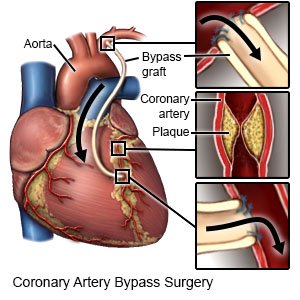
Coronary artery bypass grafting (CABG), commonly known as heart bypass surgery, is a major surgical procedure that improves blood flow to the heart muscle. During CABG, surgeons create new routes (bypasses) around narrowed or blocked coronary arteries using healthy blood vessels (grafts) harvested from the patient’s own body. This restores oxygen-rich blood supply to the heart, relieving angina (chest pain) and reducing the risk of heart attack.
CABG is one of the most commonly performed cardiac surgeries worldwide and has been refined over decades of practice. It’s typically recommended for patients with severe coronary artery disease (CAD) — where plaque buildup has significantly narrowed multiple coronary arteries — particularly when medication or less invasive procedures like angioplasty are not suitable or have failed.
The procedure can be performed using traditional open-heart surgery (with a sternotomy incision and heart-lung machine) or through minimally invasive approaches in select cases. CABG is often combined with other cardiac procedures such as valve repair or replacement, depending on the patient’s condition.
2. Key Facts at a Glance
| Aspect | Details |
|---|---|
| Also known as | Heart bypass, coronary bypass, CABG, bypass surgery |
| Procedure type | Open-heart surgery (cardiac surgery) |
| Typical duration | 3-6 hours (varies by complexity and number of bypasses) |
| Anaesthesia | General anaesthesia |
| Hospital stay | 5-7 days (varies by approach and recovery) |
| Initial recovery | 6-8 weeks for basic recovery |
| Full recovery | 3-6 months for complete healing and return to normal activities |
| Longevity | Bypass grafts typically last 10-15 years (vein grafts) or 20+ years (artery grafts) |
| Common grafts used | Internal mammary artery, saphenous vein, radial artery |
3. Anatomy and How the Heart Condition Develops
The heart is a muscular pump approximately the size of a fist, located slightly left of center in the chest. It requires a constant supply of oxygen-rich blood to function, delivered by the coronary arteries — the left main coronary artery (dividing into left anterior descending and circumflex branches) and the right coronary artery.
Coronary artery disease (CAD) develops when cholesterol, fat, calcium, and cellular debris accumulate in the arterial walls, forming plaque. This process, called atherosclerosis, gradually narrows the arteries (stenosis). When plaque buildup becomes severe (typically 70% or more narrowing), it restricts blood flow, especially during physical activity when the heart requires more oxygen. Reduced blood flow causes ischemia (oxygen deprivation), leading to chest pain (angina). If a plaque ruptures and a blood clot completely blocks the artery, a heart attack (myocardial infarction) occurs, damaging or killing heart muscle.
Risk factors for CAD include smoking, high cholesterol, hypertension, diabetes, obesity, sedentary lifestyle, family history, and age. Over time, chronic ischemia can weaken the heart muscle, leading to heart failure.
4. Conditions Treated
CABG is primarily performed to treat:
- Significant coronary artery disease (CAD) with blockages in multiple vessels
- Left main coronary artery disease — blockage in the artery supplying most of the left ventricle
- Three-vessel disease — significant blockages in all three major coronary arteries
- Diffuse coronary artery disease — where plaque is widespread and not suitable for angioplasty/stenting
- Failed previous angioplasty or stenting — where treated arteries have re-narrowed (restenosis)
- Diabetes with multivessel CAD — CABG often offers better outcomes than stenting in diabetic patients
- Reduced heart pumping function (ejection fraction < 35-40%) due to CAD
- Severe angina not controlled by medication, affecting quality of life
- Acute coronary syndromes in select cases, particularly during or after a heart attack when angioplasty is not feasible
CABG may also be performed in combination with valve surgery (mitral or aortic valve repair/replacement) or surgery to treat heart failure (ventricular restoration) in complex cases.
5. Symptoms and Warning Signs
The symptoms that lead to CABG referral typically include:
- Angina (chest pain or discomfort) — pressure, squeezing, burning, or heaviness in the chest, often triggered by exertion or stress and relieved by rest or medication
- Shortness of breath (dyspnea) — especially during physical activity or when lying flat
- Fatigue and reduced exercise tolerance — inability to perform normal activities without exhaustion
- Heart attack symptoms — crushing chest pain, pain radiating to arm/jaw/back, cold sweats, nausea, lightheadedness
- Heart failure symptoms — swelling in legs/ankles (edema), weight gain from fluid retention, abdominal bloating
- Arrhythmias — irregular heartbeats, palpitations, or rapid heart rate
Some patients, particularly those with diabetes, may have “silent ischemia” with minimal or no symptoms despite significant CAD. This makes regular cardiac screening crucial for high-risk individuals.
6. When Is This Procedure Recommended?
Cardiologists and cardiac surgeons recommend CABG based on established guidelines from the American College of Cardiology/American Heart Association (ACC/AHA) and European Society of Cardiology (ESC). Common indications include:
- Left main coronary artery stenosis > 50% — this is a critical indication due to the large territory at risk
- Three-vessel disease (especially with reduced ejection fraction or diabetes)
- Two-vessel disease involving the proximal left anterior descending artery with reduced ejection fraction or diabetes
- Failure of medical therapy to control angina symptoms despite optimal medications
- Failed or unsuitable for angioplasty/stenting — complex anatomy, diffuse disease, or previous restenosis
- During acute myocardial infarction in select cases (particularly with cardiogenic shock or when angioplasty fails)
- Patients undergoing valve surgery who also have significant CAD
The decision is typically made by a heart team (cardiologist and cardiac surgeon) who review coronary angiography results, heart function, symptoms, and patient factors to determine the optimal treatment strategy.
7. Who Is a Suitable Candidate?
Good candidates for CABG generally include:
- Patients with significant multivessel coronary artery disease confirmed by angiography
- Those with adequate heart function to withstand the surgery (ejection fraction typically > 30%, though lower is not always prohibitive)
- Patients whose overall health permits surgery — reasonable lung, kidney, and liver function
- Individuals with suitable graft vessels available — healthy arteries or veins for harvesting
- Motivated patients willing to commit to lifestyle changes and cardiac rehabilitation
- Those without severe comorbidities that would make surgery excessively high-risk
- Patients with diabetes — who often benefit more from CABG than angioplasty for multivessel disease
- Older patients (into their 70s and 80s) are increasingly undergoing CABG successfully with careful selection
The heart team evaluates each patient individually, weighing the benefits of surgery against the risks, and considers patient preferences and values.
8. Who May Not Be Suitable?
CABG may not be recommended or may carry higher risk in certain situations:
- Severe chronic lung disease (COPD) requiring continuous oxygen
- End-stage kidney failure requiring dialysis (though not absolute contraindication)
- Advanced frailty or very limited life expectancy from other conditions
- Active infection or sepsis
- Recent major stroke (within 3-6 months, depending on severity)
- Severe calcification of aorta (“porcelain aorta”) making clamping dangerous
- Lack of suitable graft vessels — previous vein harvesting or arterial disease
- Patient refusal of blood products or mechanical ventilation
- Uncontrolled psychiatric conditions preventing cooperation with care
- Diffuse, small-vessel coronary disease where targets for bypass are inadequate
In some borderline cases, alternative treatments like maximized medical therapy, angioplasty with advanced techniques, or palliative care may be more appropriate. The heart team discusses options thoroughly with patients and families.
9. Types and Techniques of the Procedure
CABG can be performed using several different approaches and techniques:
By Number of Bypasses:
- Single bypass — one coronary artery bypassed (uncommon, usually part of combined procedures)
- Double bypass — two arteries bypassed
- Triple bypass — three arteries bypassed (most common scenario)
- Quadruple bypass — four arteries bypassed
- Quintuple bypass — five arteries bypassed (rare, complex disease)
By Surgical Approach:
- Traditional CABG — full sternotomy (breastbone divided), heart-lung machine (cardiopulmonary bypass), heart stopped
- Off-pump CABG (OPCAB) — sternotomy but without heart-lung machine, heart continues beating (“beating-heart surgery”)
- Minimally invasive direct CABG (MIDCAB) — small incision between ribs, no heart-lung machine, for limited accessible arteries
- Robotic-assisted CABG — robotically controlled instruments through small incisions, still emerging technology
By Graft Type:
- Arterial grafts — internal mammary (IMA), radial artery, gastroepiploic artery (more durable)
- Venous grafts — saphenous vein from leg (most commonly used, though less durable than arterial)
- All-arterial revascularization — using only arterial grafts for enhanced longevity (in select patients)
10. Traditional, Minimally Invasive and Advanced Approaches
Traditional On-Pump CABG:
This is the standard approach. The surgeon makes a 6-8 inch incision through the breastbone (sternotomy), opens the chest, and connects the patient to a heart-lung machine (cardiopulmonary bypass). The machine circulates and oxygenates blood while the heart is stopped with medication (cardioplegia), allowing the surgeon to perform precise anastomoses (connections) of grafts to tiny coronary arteries. After all bypasses are complete, the heart is restarted, the patient is weaned off the bypass machine, and the sternum is wired closed.
Advantages: Optimal surgical conditions, motionless heart, well-established technique, excellent outcomes. Disadvantages: Longer recovery from sternotomy, potential complications from heart-lung machine (inflammatory response, cognitive effects), longer hospital stay.
Off-Pump CABG (Beating Heart):
Similar sternotomy approach, but the heart continues beating. The surgeon uses stabilization devices to immobilize the small area of the heart being grafted. The heart-lung machine is not used.
Advantages: Avoids heart-lung machine complications, potentially faster recovery, may benefit high-risk patients (lung disease, vascular disease, calcified aorta). Disadvantages: Technically more demanding, limited access for certain arteries, may not be suitable for all patients or very complex disease.
Minimally Invasive CABG:
Performed through smaller incisions (3-5 inches) between ribs (thoracotomy) or a smaller sternotomy, often with video assistance. May or may not use heart-lung machine.
Advantages: Less pain, smaller scar, potentially faster recovery, shorter hospital stay. Disadvantages: Limited to certain accessible arteries, technically challenging, not suitable for multivessel disease in most cases, longer operative time.
The choice of approach depends on the patient’s anatomy, number of bypasses needed, surgeon expertise, and patient factors.
11. Procedure vs Alternative Treatments
CABG Compared to Medical Therapy (Medication Alone):
Medical therapy includes antiplatelets, statins, beta-blockers, nitrates, ACE inhibitors, and lifestyle management. While effective for many, it doesn’t remove existing plaque. CABG provides superior symptom relief and survival for patients with significant left main disease, three-vessel disease, or reduced ejection fraction.
CABG Compared to Percutaneous Coronary Intervention (PCI/Angioplasty with Stent):
PCI involves threading a balloon-tipped catheter to the blockage, inflating to compress plaque, and placing a stent (metal scaffold) to keep the artery open.
- PCI advantages: Less invasive, faster recovery, no hospital stay beyond 1-2 days, initial lower risk
- PCI disadvantages: Higher restenosis rate (narrowing again), may require repeat procedures, less durable for complex multivessel disease, particularly in diabetics
- CABG advantages: More complete and durable revascularization, better survival for high-risk anatomy, lower reintervention rates, better angina relief
- CABG disadvantages: More invasive, longer recovery, higher initial risk
For left main disease, three-vessel disease (especially with diabetes or reduced heart function), and complex anatomy, CABG generally outperforms PCI. For simpler one- or two-vessel disease, PCI may be equally effective with less immediate risk.
Hybrid Approach:
In some cases, surgeons and interventional cardiologists collaborate — minimally invasive CABG for the most critical artery (often left anterior descending) combined with PCI for other blockages.
12. Diagnosis and Pre-Procedure Evaluation
The journey to CABG begins with comprehensive cardiac evaluation:
Initial Assessment:
- Detailed medical history focusing on cardiac symptoms, risk factors, previous treatments, and comorbid conditions
- Physical examination including heart sounds, blood pressure, peripheral pulses, and signs of heart failure
- Review of all current medications
- Assessment of functional capacity and quality of life impact
Cardiac Testing:
- Electrocardiogram (ECG/EKG) — may show signs of previous heart attack, ischemia, or arrhythmia
- Echocardiogram — ultrasound showing heart structure, valve function, and ejection fraction (pumping efficiency)
- Coronary angiography (cardiac catheterization) — the gold standard test where dye is injected into coronary arteries, revealing exact location and severity of blockages
- Stress tests — exercise or pharmacologic stress with ECG or imaging to demonstrate ischemia with exertion
Multimodality Imaging (when needed):
- Cardiac CT — non-invasive visualization of coronary anatomy and calcium scoring
- Cardiac MRI — detailed assessment of heart function, scar tissue, and viability
The heart team (interventional cardiologist and cardiac surgeon) reviews all data collaboratively to determine if CABG is the optimal treatment strategy.
13. Tests Required Before the Procedure
Once the decision for CABG is made, additional tests assess surgical fitness:
Blood Tests:
- Complete blood count (CBC) — anemia, infection risk
- Comprehensive metabolic panel — kidney and liver function, electrolytes
- Coagulation studies (PT/INR, PTT) — bleeding/clotting risk
- Cardiac enzymes — troponin, CK-MB to assess recent heart muscle damage
- HbA1c — diabetes control assessment
- Lipid profile — cholesterol levels
Imaging:
- Chest X-ray — heart size, lung condition, aortic calcification
- Carotid ultrasound — assess stroke risk from carotid artery disease
- Coronary angiogram — if not recently performed, repeated for surgical planning
Additional Assessments:
- Pulmonary function tests — lung capacity, especially in smokers or those with known lung disease
- Doppler ultrasound of leg veins — to assess suitability of saphenous vein for grafting
- Anesthesia evaluation — airway assessment, medication review
Preoperative Screening:
- Blood type and crossmatch for potential transfusion
- Infection screening (MRSA, etc.)
- Pregnancy test in women of childbearing age
Results are reviewed to optimize patient condition before surgery, sometimes requiring medication adjustments or additional treatments.
14. How to Prepare for the Procedure
1-2 Weeks Before Surgery:
- Attend preoperative education class if offered
- Arrange post-surgery support (family caregiving, help at home)
- Complete legal documents (healthcare proxy, will if desired)
- Discontinue certain medications as directed (aspirin, blood thinners, NSAIDs) — timing varies by surgeon
- Optimize chronic conditions (diabetes, hypertension, COPD)
1 Week Before:
- Prepare home for recovery (sleeping arrangements, remove fall hazards)
- Pack hospital bag (loose clothing, toiletries, phone charger, reading materials, pillow for splinting cough)
- Arrange transportation home from hospital
- Plan who will update family/friends during surgery
Day Before Surgery:
- Follow fasting instructions typically starting midnight (no food or drink)
- Shower with antibacterial soap as instructed
- Sleep well, manage anxiety
- Follow medication instructions — some drugs taken, others withheld
Day of Surgery:
- Arrive at hospital at scheduled time
- Remove jewelry, glasses, contacts, nail polish, makeup
- Change into hospital gown
- Meet surgical team and confirm procedure details
- IV line placed for medications and fluids
- Premedication given to reduce anxiety
- Family shown waiting area and given timeline
15. Procedure: Step-by-Step
Preparation (1-2 hours):
- General anesthesia induced through IV; patient becomes completely unconscious
- Breathing tube (endotracheal tube) placed and connected to ventilator
- Monitoring lines inserted (arterial line for continuous BP, central venous line in neck, urinary catheter)
- Transesophageal echocardiogram probe placed for real-time heart imaging
- Patient prepped and draped sterilely
Surgical Access: 6. Surgeon makes full sternotomy incision (6-8 inches down center of chest) 7. Breastbone (sternum) divided with special saw 8. Chest retractor opens the rib cage to expose the heart 9. Pericardium (heart sac) opened to access coronary arteries
Graft Harvesting: 10. While surgical team opens chest, another team harvests graft vessels: - Saphenous vein: Multiple incisions or endoscopic removal from leg - Internal mammary artery: freed from inside chest wall (already exposed) - Radial artery: from forearm (if chosen, requires preoperative Allen’s test)
Cardiopulmonary Bypass (for on-pump cases): 11. Heparin (blood thinner) administered to prevent clotting 12. Cannulation tubes placed in aorta and right atrium 13. Connected to heart-lung machine which takes over circulation 14. Heart stopped with cardioplegia solution (cold potassium-rich fluid) 15. Heart becomes motionless, blood-free, ideal for surgery
Constructing Bypasses: 16. Surgeon examines coronary arteries to determine optimal bypass targets 17. Small incisions (about 5mm) made in coronary arteries beyond blockages 18. One end of each graft sewn to coronary artery with fine suture (prolene 7-0 or 8-0) 19. Other end of grafts connected to aorta (for vein/arterial grafts) or left as in-situ (for IMA) 20. Typically 3-4 bypasses performed sequentially 21. Each anastomosis (connection) inspected for leaks and blood flow
Completion: 22. Temporarily released tourniquets on grafts to allow blood flow 23. Air removed from heart and grafts 24. Rewarming process begun 25. Heart restarted with electrical shock or pacing wires 26. Patient weaned off heart-lung machine as heart resumes function 27. Protamine administered to reverse heparin 28. Chest tubes placed to drain fluid and air 29. Pacing wires attached temporarily to regulate heart rhythm if needed 30. Sternum wired together with stainless steel wires 31. Muscle and skin layers closed with sutures 32. Dressing applied
Off-Pump Variation:
- Steps 1-10 similar, but heart-lung machine not used
- Special stabilizer holds small area of heart still for grafting
- Heart continues beating throughout
- Rest of process similar
Total Procedure Time: 3-6 hours depending on complexity
16. Anaesthesia and Procedure Duration
Anaesthesia Type: CABG is performed under general anaesthesia, meaning the patient is completely unconscious and feels no pain. The anaesthesia team includes an anaesthesiologist specializing in cardiac surgery.
Components:
- Induction: IV medications (propofol, opioids, benzodiazepines) to induce unconsciousness
- Airway management: Endotracheal tube (breathing tube) connected to mechanical ventilator
- Maintenance: Inhaled anaesthetic gases (sevoflurane, desflurane) plus IV infusions
- Analgesia: Strong pain medications (fentanyl, morphine) throughout and after surgery
- Muscle relaxation: Paralytics to facilitate ventilation and surgical conditions
- Monitoring: Continuous ECG, blood pressure (arterial line), oxygen saturation, temperature, anesthesia depth monitoring
Duration:
- Surgical time: 3-6 hours depending on number of bypasses, complexity, and surgeon experience
- Anaesthesia time: Longer than surgery (30-60 minutes added for induction, positioning, and emergence)
- Additional time: Transfer to ICU, stabilization, initial critical care monitoring
Factors extending duration include redo surgeries (previous CABG), combined procedures (CABG + valve surgery), complex anatomy, or intraoperative complications.
17. Technology, Devices and Equipment Used
Heart-Lung Machine (Cardiopulmonary Bypass):
- Oxygenates blood outside body and returns it to circulation
- Consists of pumps, oxygenator, heat exchanger, filters, and reservoir
- Allows heart to be stopped for precise surgery
- Components: roller or centrifugal pump, membrane oxygenator, arterial and venous cannulae, tubing circuit, cardiotomy reservoir
Surgical Instruments:
- Oscillating saw for sternotomy (breastbone division)
- Retractors to hold chest open (sternal retractor)
- Stabilizers for off-pump surgery (Octopus, Medtronic devices)
- Microsurgical instruments — delicate forceps, needle holders, scissors for anastomoses
- Prolene sutures (7-0, 8-0) — ultrafine thread for graft connections
- Coronary probes (dilators) to size vessels
- Bulldog clamps to temporarily occlude vessels
Imaging and Monitoring:
- Transesophageal echocardiogram (TEE) — real-time ultrasound of heart function
- Epicardial echocardiography — ultrasound probe on heart surface
- Electrocardiogram — continuous heart rhythm monitoring
- Pulmonary artery catheter — measures heart pressures and cardiac output
- Near-infrared spectroscopy (NIRS) — monitors brain oxygenation
Graft Preparation:
- Endoscopic vein harvest systems — minimally invasive vein removal
- Vessel preparation kits — for flushing and preparing grafts
Wound Closure:
- Sternum fixation systems — stainless steel wires, plates for complex cases
- Bone wax — stops bleeding from cut bone
- Chest drainage systems — tubes connected to suction canisters
Postoperative Support:
- Ventilator — breathing machine until patient awakens adequately
- Intra-aortic balloon pump — circulatory support if needed (weakened heart)
- Temporary pacemaker — if heart rate/rhythm problems
18. Benefits of the Procedure
CABG provides significant benefits for appropriately selected patients:
Symptom Relief:
- Dramatic reduction or elimination of angina — most patients experience complete resolution of chest pain
- Improved exercise tolerance — ability to walk farther, climb stairs, resume activities
- Decreased shortness of breath — less dyspnea with exertion
- Reduced need for anti-anginal medications — particularly nitrates
Quality of Life Improvement:
- Return to work and normal daily activities
- Improved sleep and energy levels
- Reduced anxiety about cardiac symptoms
- Enhanced physical and mental well-being
Survival Benefit:
- Improved longevity for high-risk anatomy (left main disease, three-vessel disease)
- Reduced risk of heart attack in patients with multivessel disease, especially with diabetes
- Protection against sudden cardiac death in some patients
Heart Function Preservation:
- Prevention of heart failure progression by restoring adequate blood supply
- Potential improvement in ejection fraction if hibernating (stunned) myocardium recovers
- Reduced need for future hospitalizations for cardiac issues
Long-term Effectiveness:
- Arterial grafts (especially internal mammary) have excellent durability (>90% patent at 20 years)
- Most patients remain free of symptoms for 10+ years
- Lower reintervention rate compared to angioplasty/stent
Psychological Benefits:
- Peace of mind knowing significant blockages addressed
- Motivation for healthy lifestyle changes
- Confidence in improved cardiac health
19. Success Rate and Expected Outcomes
CABG has excellent outcomes in experienced centers, with decades of proven results:
Operative Mortality:
- Overall risk: 1-3% in elective cases (varies by patient risk factors)
- Higher risk in emergency, redo surgeries, or patients with severe comorbidities (up to 5-10%)
- Risk calculators (STS score, EuroSCORE) estimate individual risk based on age, heart function, lung disease, kidney function, etc.
Graft Patency (Bypass Durability):
- Internal mammary artery grafts: 90-95% still functioning at 10-20 years (gold standard)
- Saphenous vein grafts: 60-70% patent at 10 years, 50% at 15 years (some attrition over time)
- Radial artery grafts: intermediate durability between IMA and vein grafts
Symptom Relief:
- 85-90% of patients experience significant improvement or elimination of angina
- Relief typically immediate and sustained
- Small percentage may have recurrent angina from graft failure or disease progression
Survival Benefit:
- 5-year survival: 85-90% for typical elective patients
- 10-year survival: 60-75% (varies by patient factors)
- Best outcomes in left main disease and three-vessel disease with diabetes
Quality of Life:
- Most patients report improved quality of life scores
- Return to normal activities within 2-3 months for most
- Cognitive function generally preserved (some older patients may have subtle changes)
Outcomes vary by:
- Surgeon and hospital experience (higher volume = better outcomes)
- Patient age, overall health, and heart function
- Completeness of revascularization (all blockages addressed)
- Use of arterial grafts (improved durability)
- Adherence to medications and lifestyle changes post-surgery
20. Risks and Possible Complications
As with any major surgery, CABG carries risks. However, in experienced centers, most complications are manageable:
Common Risks (5-20% occurrence):
- Atrial fibrillation — rapid, irregular heart rhythm in 25-30% of patients (usually temporary, treated with medications or cardioversion)
- Bleeding requiring reoperation — 1-2% may need return to operating room to control bleeding
- Blood transfusion — 30-50% receive transfusion (varies by preoperative anemia and complexity)
- Wound infection — sternum or leg incision sites (2-5%, higher in diabetics, obese)
- Pain — chest and leg incision discomfort (managed with medications)
- Kidney dysfunction — temporary in up to 5-10% (dialysis needed in <1%)
Serious Risks (1-5% occurrence):
- Stroke — 1-2% risk (higher in elderly, those with carotid disease, previous stroke)
- Myocardial infarction (heart attack) during or after surgery — <1-5%
- Low cardiac output syndrome — weakened heart requiring medications or mechanical support
- Sternal wound complications — dehiscence (wound separation) or infection (mediastinitis) in 1-3%
- Pneumonia or respiratory failure — particularly in patients with lung disease
- Deep vein thrombosis (DVT) or pulmonary embolism — blood clots in legs or lungs
Rare but Severe Risks (<1%):
- Death — 1-3% overall, higher in complex/emergent cases
- Permanent cognitive dysfunction or memory problems — controversial, some studies show minimal effect, others note subtle changes
- Permanent stroke — causing lasting disability
- Multiorgan failure — in very high-risk patients
Risk Reduction:
- Preoperative optimization of medical conditions
- Experienced surgeon and hospital
- Use of off-pump technique in selected patients (may reduce stroke risk)
- Meticulous surgical technique
- Prophylactic medications (antibiotics, beta-blockers)
- Early mobilization and respiratory therapy
Most complications are treatable, and the overall risk-benefit ratio strongly favors CABG for appropriate candidates.
21. Hospital Stay and Immediate Aftercare
Immediate Postoperative Period (Day 0-1):
Patient transferred from operating room to Cardiovascular Intensive Care Unit (CVICU) for close monitoring:
- Ventilator support — breathing tube remains for several hours until patient awakens adequately, can breathe on own, and follow commands
- Monitoring — continuous ECG, arterial line (blood pressure), oxygen saturation, chest tubes draining, urinary catheter measuring output
- Medications — pain control (epidural or IV), antibiotics, blood thinners (aspirin started within 6 hours), heart medications, sedation if agitated
- Breathing exercises — incentive spirometer to prevent lung collapse/pneumonia
- Early mobilization — sat up in chair, walked to chair within 12-24 hours (reduces complications)
- Family visiting — limited initially, then as condition stabilizes
Progression (Day 2-3):
- Breathing tube removed, patient breathing independently
- Chest tubes removed when drainage minimal (usually 24-48 hours)
- Pacing wires removed (if present) once rhythm stable
- Transferred to step-down unit or cardiac ward
- Increased activity — walking in halls, stairs
- Pain management transitioned to oral medications
- Diet advanced as tolerated
- Education on wound care, activity restrictions, medications
Preparing for Discharge (Day 4-7):
- Pain controlled with oral medications
- Bowel function returned
- Ambulating independently
- Incisions healing well
- Discharge teaching completed
- Medications reviewed
- Follow-up appointments scheduled
- Arrangements for home care or cardiac rehabilitation made
Typical Hospital Stay: 5-7 days for elective CABG, may extend 10-14 days for complications or complex cases
22. Recovery Timeline
First 2 Weeks at Home:
- Fatigue — expect to tire easily, need rest periods
- Incision care — keep clean and dry, shower per surgeon’s instructions (usually 5-7 days post-op)
- Activity restrictions — no lifting >5-10 lbs, no driving (usually 2-4 weeks), no pushing/pulling
- Pain management — prescription pain medications tapered as needed
- Sleep — may sleep better reclined or with extra pillows
- Appetite — may be reduced initially, but nutrition important for healing
- Emotional — mood swings, depression, anxiety common (normal response)
Weeks 2-6:
- Gradually increase walking and light activity
- Begin cardiac rehabilitation if prescribed (typically 3-6 weeks post-op)
- Driving permitted when sternum healed and off narcotics (typically 4 weeks)
- Lifting restriction gradually increased
- Return to sedentary work possible at 4-6 weeks for many
- Less pain in incisions, more energy
Weeks 6-12:
- Return to normal daily activities for most patients
- Light housework, short shopping trips
- Sexual activity can usually resume (6-8 weeks)
- Strenuous exercise and heavy lifting still restricted
3-6 Months:
- Full recovery — return to all normal activities including vigorous exercise for most
- Healing complete — sternum fully healed (3-6 months for bone solidification)
- Cardiac rehabilitation completion — typically 12-week program
- Return to work — including physically demanding jobs
- Feel like “normal self” — full energy, exercise tolerance
12 Months:
- Maximum recovery achieved
- Long-term maintenance phase begins
- Continued medication adherence and lifestyle modification crucial
Factors affecting recovery: age, preoperative fitness, complications, postoperative rehab participation, motivation, and support system.
23. Pain Management and Wound Care
Pain Management:
Immediately postoperative:
- Epidural catheter or IV patient-controlled analgesia (PCA) for first 24-48 hours
- Non-opioid options: acetaminophen, NSAIDs (caution with bleeding risk), gabapentin for nerve pain
- Opioids: morphine, hydromorphone, oxycodone for moderate-severe pain
Transition to oral medications:
- Combination: acetaminophen + opioid (oxycodone/acetaminophen) for breakthrough pain
- Gradual taper over 2-4 weeks as pain decreases
- Over-the-counter options (acetaminophen) for mild discomfort
- Ice packs to incision sites for comfort
Long-term:
- Most patients off prescription pain medications by 4-6 weeks
- Some residual numbness or tingling around incisions (normal, may persist)
- Chronic pain after CABG is uncommon
Wound Care:
Sternal Incision (chest):
- Keep clean and dry until first postoperative visit (5-7 days)
- Sterile strips (Steri-Strips) or glue used — let fall off naturally
- No submerging in baths, pools, hot tubs until fully healed
- Shower per surgeon instructions (usually allow after 5-7 days, let soapy water run over, pat dry)
- Support with pillow when coughing, sneezing, or moving
- Report: redness, drainage, opening, fever, increasing pain
Leg Incision (saphenous vein harvest):
- Multiple smaller incisions or one long incision
- Support stockings (TED hose) worn for 2-6 weeks to reduce swelling
- Elevate legs when sitting to reduce edema
- Ankle and foot exercises to improve circulation
- Expect some swelling, bruising, numbness — normal
Arm Incision (radial artery harvest):
- Keep incision clean and dry
- Arm elevation to reduce swelling
- No blood pressure draws or IVs in that arm
- Hand exercises to maintain function
Red Flags requiring immediate medical attention:
- Drainage from incisions (pus, clear fluid)
- Separation of wound edges
- Redness spreading around incision
- Fever > 101°F (38.3°C)
- Increasing pain not relieved by medication
24. Medications After the Procedure
Medication adherence after CABG is critical for graft longevity and preventing complications:
Antiplatelet Therapy:
- Aspirin (81mg or 325mg daily) — lifelong to prevent graft clot formation (started within 6 hours post-op)
- Clopidogrel (Plavix) or similar — may be added for 1-12 months, especially if off-pump technique used or concern about graft patency
Cholesterol Management:
- Statin (atorvastatin, rosuvastatin) — aggressively lower LDL cholesterol (<70-80 mg/dL) to prevent CAD progression
- Lifelong therapy essential, even if cholesterol “normal”
Heart Failure Medications (if indicated):
- Beta-blockers (metoprolol, carvedilol) — reduce heart workload, protect against arrhythmias, improve survival
- ACE inhibitors (lisinopril, ramipril) or ARBs — lower blood pressure, protect heart muscle, prevent remodeling
- Aldosterone antagonists (spironolactone) in select cases with reduced ejection fraction
Blood Pressure Control:
- Multiple medications often needed to achieve target (<130/80 mmHg)
- Combination of diuretics, ACE inhibitors/ARBs, calcium channel blockers, beta-blockers
Other Medications:
- Nitrates (as needed) for any residual angina
- Antiarrhythmics if atrial fibrillation or other rhythm problems
- PPIs (omeprazole) for gastric protection if on aspirin/blood thinners
- Diabetes medications as needed
Medication Schedule:
- Organized pillbox helpful
- Some medications twice daily, others once daily
- Never stop without consulting cardiologist
Potential Side Effects:
- Discuss with doctor: muscle pain (statins), dizziness (BP meds), bleeding (blood thinners)
- Report: severe side effects, allergic reactions, new symptoms
Immunizations:
- Annual influenza vaccine
- Pneumococcal vaccine as recommended
- COVID-19 vaccination
Medication regimen typically reviewed at each cardiology visit, adjusted as needed based on blood tests and clinical status.
25. Diet, Exercise and Lifestyle Guidelines
Dietary Recommendations:
Heart-Healthy Diet (Mediterranean-style):
- Emphasis on: vegetables, fruits, whole grains, legumes, nuts, olive oil
- Fish 2-3 times weekly (omega-3 fatty acids: salmon, mackerel, sardines)
- Lean protein — chicken, turkey, plant proteins (tofu, legumes)
- Low-fat dairy — skim milk, yogurt, limited cheese
Foods to Limit:
- Saturated fats — red meat, butter, full-fat dairy, coconut/palm oil
- Trans fats — partially hydrogenated oils (many processed foods)
- Sodium — <2,000 mg daily (limit processed foods, restaurant meals, added salt)
- Added sugars — sodas, candies, desserts
- Processed meats — bacon, sausage, hot dogs
Special Considerations:
- Fluid restriction if heart failure (monitor weight daily, limit if swelling)
- Weight management — achieve and maintain healthy BMI (18.5-24.9)
- Diabetic diet if applicable — consistent carbohydrates, limit sweets
Exercise Guidelines:
Early Phase (0-6 weeks):
- Walking program — start 5-10 minutes, gradually increase
- Avoid heavy lifting (>5-10 lbs)
- No strenuous exercise
- Stop for chest pain, excessive shortness of breath, dizziness
Intermediate Phase (6-12 weeks):
- Increase walking to 30 minutes daily
- Light stationary bike
- Begin cardiac rehabilitation program
Long-term (3+ months):
- Aerobic exercise — walking, jogging, cycling, swimming (30-60 minutes, 5 days/week)
- Resistance training — light weights, 2-3 days/week (after sternum fully healed)
- Flexibility/balance — stretching, yoga (modify to avoid sternum pressure)
Lifestyle Modifications:
Smoking Cessation:
- Complete cessation — most critical lifestyle change
- Resources: counseling, nicotine replacement, medications (varenicline, bupropion)
- Benefits immediate and long-term for graft health
Alcohol:
- Limit to moderate intake (≤1 drink/day for women, ≤2 for men)
- May need to avoid completely with certain medications (e.g., some blood thinners)
Stress Management:
- Relaxation techniques, meditation, deep breathing
- Adequate sleep (7-9 hours nightly)
- Counseling/therapy if depression or anxiety (common after cardiac surgery)
Sexual Activity:
- Usually resume 6-8 weeks post-op
- Discuss with doctor if concerns
- Stop for chest pain, shortness of breath
- Erectile dysfunction medications generally safe once stable (discuss with cardiologist, especially if on nitrates — contraindicated combination)
26. Cardiac Rehabilitation
Cardiac rehabilitation is a medically supervised program designed to help patients recover after CABG and adopt heart-healthy lifestyles. Participation is strongly recommended and associated with better outcomes.
Program Structure:
- Typically 12 weeks (36 sessions)
- 3 sessions per week
- Combination of exercise training, education, and counseling
- Covered by most insurance plans
Exercise Component:
- Initial assessment — fitness testing, ECG-monitored exercise
- Individualized exercise prescription — aerobic and resistance training
- Supervised sessions — telemetry monitoring, blood pressure checks
- Progressive intensity — gradually increasing duration and intensity
- Home exercise program — instructions for days between sessions
Educational Topics:
- Heart anatomy and disease process
- Explanation of CABG procedure
- Medication purpose and side effects
- Nutrition counseling
- Stress management techniques
- Smoking cessation support
- Return to work guidance
- Sexual activity considerations
Benefits of Participation:
- Improved exercise capacity and functional status
- Reduced symptoms — less shortness of breath, less angina
- Better medication adherence
- Weight management
- Psychosocial support — meet others with similar experiences
- Reduced depression and anxiety
- Lower mortality and hospital readmission (30-40% reduction)
Phases of Cardiac Rehabilitation:
Phase I (Inpatient):
- Begins in hospital
- Range-of-motion exercises, walking
- Education on recovery and home care
Phase II (Outpatient):
- Supervised program as described above
- Starts 2-6 weeks after discharge
- Telemetry monitoring for safety
Phase III (Maintenance):
- Transition to independent exercise
- Less frequent supervision
- Community-based or gym-based continuation
Finding a Program:
- Hospital social workers or case managers provide referrals
- Programs available at most hospitals and cardiac centers
- Transportation assistance often available
27. Follow-Up Tests and Long-Term Monitoring
Immediate Postoperative Follow-Up:
2-4 Weeks:
- Surgical follow-up — wound check, staple/suture removal if needed
- Review discharge summary and medications
- Assessment of recovery progress
6-8 Weeks:
- Cardiology visit — ECG, physical examination
- Medication review and adjustment
- Discussion of activity and return to work
- Blood tests: cholesterol, kidney function, electrolytes, glucose
3-6 Months:
- Stress test — exercise or pharmacologic to assess graft function and exercise capacity
- Echocardiogram — assess heart function and valves
- Review symptoms and medications
Ongoing Annual Monitoring:
- Annual cardiology visit — comprehensive examination
- ECG — monitor heart rhythm and function
- Echocardiogram — assess heart function, valves, and potential problems
- Stress testing — every 1-2 years or if symptoms recur
- Blood work — lipid panel, glucose, kidney/liver function
- Chest X-ray — if symptoms warrant
Additional Testing as Indicated:
- Coronary CT angiography — non-invasive graft assessment
- Cardiac catheterization — if new symptoms or concerning stress test results
- Holter/event monitor — if palpitations or arrhythmia symptoms
- Carotid ultrasound — periodic surveillance if known disease
Patient Responsibilities:
- Keep all scheduled appointments
- Report new symptoms promptly (chest pain, shortness of breath, palpitations, swelling)
- Maintain medication diary
- Monitor blood pressure at home (if hypertensive)
- Track weight daily (if heart failure history)
- Keep records of all tests and procedures
Communication:
- Ensure all healthcare providers aware of CABG history
- Wear medical alert bracelet if pacemaker/defibrillator implanted
- Carry list of medications and allergies
28. Warning Signs After the Procedure
Patients should be educated to recognize and promptly report concerning symptoms after CABG:
Red Flags — Seek Immediate Medical Attention:
Chest Symptoms:
- New or worsening chest pain, pressure, or discomfort similar to pre-surgery
- Pain not relieved by rest or prescribed medications
- Crushing, heavy sensation in chest
Heart Attack Symptoms:
- Chest pain radiating to arm, neck, jaw, or back
- Cold sweats, nausea, vomiting
- Severe shortness of breath
- Lightheadedness or loss of consciousness
Infection Signs:
- Fever > 101°F (38.3°C) or chills
- Redness, warmth, or swelling around incisions
- Pus or foul-smelling drainage from wounds
- Opening or separation of wound edges
Breathing Problems:
- Sudden severe shortness of breath at rest
- Difficulty breathing not improving with rest
- Coughing up blood or pink frothy sputum
- Wheezing or chest tightness
Neurological Symptoms (Stroke Warning):
- Sudden weakness or numbness in face, arm, or leg (especially one-sided)
- Difficulty speaking or understanding speech
- Vision changes (double vision, loss of vision)
- Severe headache, dizziness, loss of balance/coordination
Heart Rhythm Issues:
- Rapid, irregular heartbeat or palpitations
- Feeling of racing heart, skipped beats, or extra beats
- Slow heart rate (<50) or very fast (>120 at rest)
- Dizziness or fainting with rhythm changes
Other Concerning Symptoms:
- Sudden severe leg swelling or pain (possible DVT)
- Fainting or loss of consciousness
- Severe headache unlike usual
- Mental status changes (confusion, extreme fatigue)
When to Call Doctor (Not Emergency, but Prompt):
- Mild discomfort at incision sites increasing over days
- Persistent low-grade temperature
- Questions about medications
- Insomnia, depression, anxiety affecting recovery
- Medication side effects
Emergency Preparedness:
- Keep phone numbers for cardiologist, surgeon, and primary care accessible
- Know when to call 911 vs. doctor’s office
- Have list of all medications and medical history available
Better to over-report symptoms than delay — early intervention for complications yields better outcomes.
29. Long-Term Results and Procedure Durability
CABG provides durable long-term results for most patients, though grafts can narrow or close over time:
Graft Longevity:
- Internal mammary artery grafts: 90-95% still patent (open) at 10-20 years — gold standard durability
- Saphenous vein grafts: 60-70% patent at 10 years, 50% at 15 years — gradual attrition
- Radial artery grafts: Intermediate durability (~80% at 10 years)
Why Grafts Fail:
- Technical issues — poor surgical technique (rare in experienced centers)
- Graft atherosclerosis — similar to original CAD process, particularly in vein grafts
- Progression of native vessel disease — new blockages in bypassed arteries
- Thrombosis — blood clot formation, especially early postoperative period
- Competitive flow — when native vessel is not severely blocked, graft may fail
Symptom Recurrence:
- 10-15% per year may develop recurrent angina (less with modern techniques)
- Most often due to graft failure or disease progression in non-bypassed vessels
- May require angioplasty of narrowed graft or native vessel
Survival:
- 5-year survival: 85-90% for typical elective patients
- 10-year survival: 60-75% (varies widely by patient factors)
- 20-year survival: 30-40% (younger, healthier patients)
Long-Term Quality of Life:
- Most patients report excellent quality of life comparable to age-matched population
- Return to work and full activities common
- Psychological well-being generally good after initial recovery
Factors Affecting Long-Term Success:
- Aggressive risk factor modification: smoking cessation, cholesterol control, blood pressure management, diabetes control
- Medication adherence: statins, aspirin, beta-blockers, ACE inhibitors
- Graft selection: arterial grafts more durable than venous
- Completeness of revascularization: all significant blockages addressed
- Patient factors: age, diabetes (worse long-term outcomes), kidney disease
What Happens if Grafts Fail:
- May require redo CABG (higher risk than initial surgery)
- Often treated with angioplasty/stenting of narrowed graft
- Some patients managed with intensified medical therapy
The “honeymoon period” of 5-10 years symptom-free is common, particularly with internal mammary grafts, making CABG an excellent long-term investment in cardiac health.
30. Repeat Procedure and Reintervention
Some patients may require additional procedures after CABG:
Need for Reintervention:
- Graft failure — 10-20% of vein grafts narrow or close within 10 years
- Disease progression — new blockages in native (non-bypassed) coronary arteries
- Incomplete initial revascularization — some blockages not addressed at initial surgery
Options for Reintervention:
Percutaneous Coronary Intervention (PCI) of Grafts:
- Most common approach for failed grafts
- Stenting of narrowed graft (similar to native vessel PCI)
- Slightly higher risk than native vessel PCI (more debris, no-reflow phenomenon)
- Often successful in relieving symptoms
PCI of Native Vessels:
- Treatment of new blockages in arteries not bypassed initially
- Standard PCI approach with stenting
- Less risky than repeat surgery
Redo CABG:
- More complex and higher risk than initial surgery (mortality 5-10%)
- Performed when PCI not feasible (multiple graft failures, complex anatomy)
- Requires opening previous sternotomy incision (risk of heart injury)
- Requires careful dissection through scar tissue
- Generally excellent outcomes in experienced centers
Hybrid Revascularization:
- Combination of minimally invasive CABG for critical vessel + PCI for other blockages
- Emerging strategy for select patients
Minimally Invasive Options:
- Transmyocardial laser revascularization — for patients not candidates for repeat surgery or PCI (rare)
Timing of Reintervention:
- Early (<1 year): usually technical issues or thrombosis
- Late (1-10 years): graft atherosclerosis or native disease progression
- Very late (>10 years): attrition of vein grafts
Factors Influencing Decision:
- Patient age and overall health
- Number and location of blockages
- Graft vs. native vessel disease
- Previous surgery complexity
- Patient preference
Outcomes After Reintervention:
- Generally good symptom relief
- PCI of grafts: 70-80% success rates, symptom relief
- Redo CABG: higher risk but excellent long-term symptom relief for appropriate candidates
- Careful patient selection crucial
Preventing Reintervention:
- Aggressive risk factor modification after CABG
- Lifelong statin therapy to slow graft atherosclerosis
- Aspirin therapy to prevent thrombosis
- Optimal control of blood pressure, diabetes, cholesterol
31. Cost of the Procedure
CABG costs vary significantly by country, hospital, surgeon expertise, and case complexity. Medical tourism offers substantial cost savings for international patients:
| Country/Region | Approximate Cost Range (USD) |
|---|---|
| United States | $90,000 - $200,000+ |
| United Kingdom | £20,000 - £40,000 ($25,000 - $50,000) |
| India | $6,000 - $15,000 |
| Turkey | $8,000 - $18,000 |
| Thailand | $10,000 - $20,000 |
| Singapore | $15,000 - $30,000 |
| South Korea | $12,000 - $25,000 |
| Malaysia | $8,000 - $16,000 |
| Mexico | $10,000 - $22,000 |
| Germany | €25,000 - €45,000 ($27,000 - $49,000) |
Note: These are approximate ranges for elective CABG and vary by hospital, surgeon, number of bypasses, and patient complexity. Emergency or complex cases cost considerably more.
What’s Typically Included:
- Preoperative diagnostic tests (angiography, echocardiogram, labs)
- Surgeon and anesthesiologist fees
- Operating room and hospital stay (5-7 days)
- Standard medications during hospitalization
- Standard graft harvesting (saphenous vein)
- Follow-up visits during initial stay
Additional Costs:
- Preoperative tests not recently performed
- Complex graft harvesting (radial artery, multiple arterial grafts)
- Prolonged ICU stay (complications, slow recovery)
- Medications for home after discharge
- Cardiac rehabilitation program
- Flights and accommodation for medical tourists
- Complications management
Insurance Considerations:
- Many insurance plans cover CABG when medically indicated
- Preauthorization typically required
- Medical tourism costs often not covered by domestic insurance
- Some international insurance plans cover care in multiple countries
Value Considerations:
- Higher cost doesn’t always mean better outcomes
- Experienced high-volume centers often have better results despite moderate costs
- JCI-accredited hospitals demonstrate quality standards
- Consider total value, not just price
32. Factors Affecting Procedure Cost
Multiple variables influence CABG pricing:
Patient Factors:
- Case complexity — number of bypasses (triple vs. quintuple), difficulty
- Comorbidities — diabetes, kidney disease, lung disease increase costs
- Age — older patients may require more extensive monitoring
- Emergency status — emergent CABG costs 30-50% more than elective
- Redo surgery — repeat procedures significantly more expensive
Hospital Factors:
- Geographic location — costs vary by region and country
- Hospital type — academic centers, private hospitals vary in pricing
- Accreditation — JCI-accredited centers may charge premium
- Technology availability — advanced equipment increases cost
- Volume — high-volume centers may have better pricing efficiency
Surgeon Factors:
- Surgeon experience and reputation — senior surgeons often charge more
- Surgical approach — minimally invasive techniques may cost more or less depending on equipment
- Graft selection — all-arterial revascularization takes longer, may cost more
Operative Factors:
- Procedure duration — longer OR time increases cost
- Complications — any complication (bleeding, infection, arrhythmia) significantly increases cost
- ICU stay length — each additional day adds cost
- Blood transfusion needs — blood products add expense
- Concomitant procedures — CABG + valve surgery more expensive
Additional Cost Components:
- Preoperative testing — extensive workup may be needed
- Medications — expensive drugs (some antibiotics, inotropes) add cost
- Diagnostic imaging — additional CT, MRI studies
- Extended stay — each additional hospital day costs $1,000-$3,000+
- Rehabilitation — cardiac rehabilitation program costs
- Follow-up care — ongoing appointments and testing
Medical Tourism Specifics:
- Travel expenses — flights, accommodation, meals
- Visa and documentation
- Language interpretation services
- Local transportation
- Complications treatment — postoperative care if needed
- Return travel for follow-up — sometimes recommended
Cost-Saving Strategies:
- Select high-volume centers (better outcomes, efficient care)
- Medical tourism (50-90% savings in many countries)
- Obtain detailed cost estimates beforehand
- Understand what’s included vs. additional charges
- Consider total value, not just price — excellent surgeon and hospital worth reasonable premium
Insurance and Financing:
- Verify insurance coverage and preauthorization requirements
- Many hospitals offer payment plans for self-pay patients
- Some medical tourism facilitators offer package pricing
- Health savings accounts may be used in some countries
33. Choosing the Best Hospital and Specialist
Selecting the right hospital and surgeon is critical for optimal CABG outcomes:
Hospital Selection Criteria:
Volume and Experience:
- High-volume centers — hospitals performing >200 CABG procedures annually have better outcomes
- Established program — long-standing cardiac surgery departments with proven track record
- Multidisciplinary team — cardiologists, cardiac surgeons, intensivists, rehabilitation specialists
Accreditation and Quality:
- JCI accreditation (Joint Commission International) — international quality certification
- National accreditation — equivalent national certifications
- Outcomes data — publicly reported mortality and complication rates
- Infection control programs — low surgical site infection rates
Facilities and Technology:
- Modern operating rooms — up-to-date equipment and technology
- Advanced ICU - specialized cardiac intensive care unit
- Hybrid cath labs — for combined procedures if needed
- Emergency capabilities — 24/7 cardiac surgery coverage
- Rehabilitation program — on-site cardiac rehabilitation
Medical Tourism Considerations:
- International patient services — dedicated coordinators, interpreters
- Accommodation options — on-site or nearby housing for families
- Visa assistance — help with travel documentation
- Follow-up coordination — communication with home physicians
Surgeon Selection Criteria:
Training and Credentials:
- Board certification/qualification in cardiac surgery
- Fellowship training in specialized cardiac surgery
- Academic appointments — involvement in teaching and research
Experience:
- Years in practice — established surgeons with 10+ years experience
- Procedure volume — surgeons performing >100 CABG annually
- Special expertise — experience with complex cases, redo surgery, minimally invasive approaches
Outcomes and Reputation:
- Personal outcomes data — low mortality and complication rates
- Patient reviews — satisfaction scores
- Peer recognition — respected by other cardiac surgeons and cardiologists
- Research contributions — publications, conference presentations
Communication Style:
- Willingness to answer questions — approachable, thorough explanations
- Shared decision-making — involves patient and family in treatment decisions
- Second opinion openness — comfortable with patients seeking other opinions
Practical Considerations:
- Hospital affiliation — operates at reputable center
- Availability — reasonable wait time for elective surgery
- Insurance participation — accepts patient’s insurance (if applicable)
- Language — fluent in patient’s language or interpreter available
Red Flags to Avoid:
- Low-volume surgeons or hospitals
- Limited experience with specific patient’s anatomy/comorbidities
- Poor communication or unwillingness to discuss outcomes
- Marketing-focused rather than outcome-focused approach
- Limited ICU or postoperative care capabilities
How to Evaluate:
- Request outcome data (mortality, complication rates)
- Ask about specific experience with cases like yours
- Research online reviews and professional reputation
- Consult with primary cardiologist for recommendations
- Consider in-person consultation before committing
34. Questions to Ask Your Heart Specialist
Patients should ask these questions before undergoing CABG:
About the Procedure:
- Why is CABG being recommended for me specifically? What are the alternatives?
- How many bypasses will I need, and which arteries are involved?
- What approach will you use — traditional, off-pump, or minimally invasive? Why?
- What type of grafts will you use? (arterial vs. venous)
- What are the success rates for this procedure in your practice?
- How many CABG procedures have you performed? How many like mine?
About Risks and Outcomes: 7. What are the specific risks for me based on my health profile? 8. What is your personal mortality and complication rate for CABG? 9. How likely am I to need a repeat procedure in the future? 10. What should I expect for quality of life after surgery? 11. Will this extend my life expectancy?
About Recovery: 12. How long will I be in the hospital? 13. What will my recovery be like at home? 14. When can I return to work? To driving? 15. Will I need cardiac rehabilitation? 16. What limitations will I have long-term?
About the Hospital and Team: 17. How many CABG procedures does this hospital perform annually? 18. What is the hospital’s mortality rate for CABG? 19. Who will be on my care team? 20. How will my pain be managed after surgery? 21. What happens if complications occur?
About Medical Tourism (if applicable): 22. What accreditations does the hospital hold? 23. How will my follow-up care be coordinated after I return home? 24. What happens if I have complications after returning home? 25. What language services are available? 26. What are the total costs, and what do they include?
About Lifestyle and Medications: 27. What medications will I need to take long-term? 28. What lifestyle changes will be required? 29. Can I still travel? Exercise? 30. What dietary restrictions will I have?
Practical Questions: 31. How long is the waiting list for this surgery? 32. What do I need to do to prepare? 33. What should I bring to the hospital? 34. Who can I contact with questions after hours?
Take notes during appointments, bring a family member or friend, and don’t hesitate to ask for clarification. A good surgeon welcomes informed questions and takes time to ensure patients understand.
35. Frequently Asked Questions
Q: How long does a CABG procedure take? A: The actual surgery typically takes 3-6 hours, depending on the number of bypasses needed and the complexity of your case. Additional time is needed for anesthesia induction, positioning, and transfer to the ICU. Family can expect the entire process to take 6-8 hours from when you go back to when they can see you in recovery.
Q: Will I be awake during the surgery? A: No. CABG is performed under general anesthesia, meaning you will be completely unconscious and feel no pain. You’ll have a breathing tube that breathes for you during the procedure, which is removed when you’re awake enough to breathe on your own (usually 6-12 hours after surgery).
Q: How painful is the recovery? A: Most patients describe the pain as manageable with medications. The sternum (chest bone) is the most uncomfortable area, especially when coughing or moving. Pain typically improves significantly after the first week and is well-controlled with oral medications by the time of discharge. Leg incisions can also be uncomfortable, especially with walking, but improve steadily.
Q: When can I drive after CABG? A: Typically 4-6 weeks after surgery, once your sternum has adequately healed and you’re no longer taking prescription pain medications. This timeline may vary based on your surgeon’s preference and how well you’re recovering. You must avoid driving while on narcotics due to slowed reaction times.
Q: Will I need to take blood thinners forever? A: Most CABG patients take aspirin (81mg or 325mg) lifelong to help keep grafts patent. Some patients also take clopidogrel (Plavix) for up to a year after surgery, especially if off-pump technique was used. You won’t need warfarin or stronger anticoagulants unless you have other conditions like atrial fibrillation.
Q: Can CABG be done minimally invasively? A: Minimally invasive CABG is possible for select patients, typically those needing only 1-2 bypasses, especially to the left anterior descending artery. However, most CABG is still performed through traditional sternotomy, which provides excellent exposure and proven outcomes. Your surgeon will advise if you’re a candidate for minimally invasive approaches.
Q: What’s the difference between CABG and angioplasty/stenting? A: CABG is major surgery creating permanent bypasses around blockages using your own blood vessels. Angioplasty is a minimally invasive procedure using a balloon and stent to open blockages from inside the artery. CABG is more invasive initially but more durable, especially for complex multivessel disease. Angioplasty has faster recovery but higher rates of repeat procedures.
Q: How long do bypass grafts typically last? A: It depends on the type of graft. Internal mammary artery grafts have excellent longevity — more than 90% are still functioning 15-20 years after surgery. Saphenous vein grafts have more attrition, with about 60-70% still patent at 10 years. This is why aggressive risk factor modification and medication adherence are so important.
Q: Will I be able to exercise normally after recovery? A: Yes! After full recovery (3-6 months), most patients can return to normal exercise and activities, including vigorous exercise like jogging, cycling, and swimming. In fact, regular aerobic exercise is encouraged and beneficial for long-term heart health. Cardiac rehabilitation will help you safely progress to higher activity levels.
Q: What happens if I delay or refuse the surgery? A: For significant left main or three-vessel disease, CABG is life-saving. Delaying or refusing may result in progressive symptoms, heart attack, heart failure, or death. However, the decision is yours. Discuss your specific risks and alternatives thoroughly with your heart team. In some less critical cases, optimized medical therapy may be reasonable, but this is less common for significant multivessel disease.
Q: Can I have CABG if I have other medical conditions? A: Many patients with diabetes, kidney disease, mild lung disease, or other conditions undergo CABG successfully. Your heart team will evaluate your overall risk-benefit ratio. Some conditions may increase surgical risk but still make CABG the better option compared to no surgery. Very severe comorbidities may make CABG too high-risk, leading to consideration of alternative treatments.
36. Patient Stories and Treatment Experiences
Note: The following stories are representative of typical CABG patient experiences, with names and details modified for privacy.
Maria, 58, Mexico
“I had been having chest pain for months, especially when walking uphill or carrying groceries. My doctor said I had three blockages and needed bypass surgery. We looked at options in the US, but the costs were overwhelming. We found a JCI-accredited hospital in India with excellent outcomes data at one-fifth the US price. The surgery was five hours, and I spent six days in the hospital. The staff was wonderful, and my surgeon spoke perfect English. Now, two years later, I’m walking 5km daily, have no chest pain, and feel better than I have in years. My only regret is not doing it sooner.”
Robert, 67, United Kingdom
“As a diabetic with significant coronary disease, my cardiologist said I was a better candidate for bypass than stents. I was terrified — I’d never had major surgery. The team at my hospital explained everything clearly. The surgery was longer than expected because they had to bypass four vessels. The first week was rough — lots of pain, trouble sleeping. But by six weeks, I was feeling much better. I completed cardiac rehabilitation, which was brilliant. Now, a year post-op, I’m back playing golf (walking the course!), my diabetes is better controlled, and I have zero angina. It’s given me my life back.”
Ahmed, 52, United Arab Emirates
“I was only 46 when I had my heart attack. I didn’t have classic symptoms — just tiredness and some shortness of breath. The angiogram showed critical left main disease. I needed CABG urgently. I was scared about the recovery, my work, my family. My surgery was done in Turkey at a center specializing in complex cases. They used all-arterial grafts for better longevity. I was back to work in eight weeks. Five years later, my stress tests are great, and my heart function has actually improved. I’ve stopped smoking, lost weight, and take my medications religiously. CABG gave me a second chance.”
Priya, 61, India
“I had known about my coronary artery disease for years, but I didn’t take it seriously until I ended up in the emergency room with a heart attack. I was shocked to learn I needed triple bypass. My daughter researched hospitals and found an excellent center nearby with a very experienced surgical team. The hospital stay was smooth, though the leg incision from vein harvesting was quite painful for a few weeks. I’m now three years post-op, strictly following my diet and exercise plan. I wish I had taken better care of my heart earlier — maybe I could have avoided the heart attack. But I’m grateful for the care I received and the chance to watch my grandchildren grow.”
James, 74, Canada
“At 72, I thought I was too old for major surgery. But my angina was getting worse despite medications. The heart team explained that age alone wasn’t a contraindication — my overall health was good. I had CABG with two bypasses. The recovery was slower than the younger patients I saw, but I got there. It took me three months to feel really myself again, but now at 75, I’m gardening again and keeping up with my grandkids. My advice: don’t let age alone stop you. Quality of life matters at any age.”
37. Related Cardiac Procedures
Patients considering or undergoing CABG may benefit from understanding related cardiac procedures:
-
Angioplasty — Minimally invasive alternative for some patients with coronary artery disease, using balloon catheter and stent to open blockages. Often combined with CABG in hybrid approaches.
-
Minimally Invasive Cardiac LIS — Less invasive cardiac surgery options for select patients, including smaller incisions and robotic-assisted techniques that may reduce recovery time.
-
Mitral Valve Procedures — CABG is sometimes combined with mitral valve repair or replacement in patients with both coronary artery disease and valve dysfunction from previous heart attacks.
-
Aortic Valve Procedures — Combined valve replacement and CABG is common in older patients with both aortic stenosis and coronary disease.
-
Hybrid Cardiac Procedures — Combined approaches using both surgical and catheter-based techniques in the same or staged procedures, optimizing outcomes for complex cases.
Patients with coronary artery disease should also explore information about:
- Heart Failure Treatments — For patients whose heart muscle has been weakened by coronary disease
- Heart Attack Care — Understanding the connection between coronary disease and myocardial infarction
The optimal treatment strategy is determined by the heart team based on individual anatomy, symptoms, and overall health. Many patients benefit from a combination of approaches over their lifetime.
38. Latest Research and Medical Advances
CABG techniques and outcomes continue to evolve with ongoing research and technological advances:
Surgical Technique Improvements:
- Enhanced arterial grafting strategies — using multiple arterial grafts (bilateral mammary, radial artery) for improved long-term durability
- Refined off-pump techniques — better stabilizers and outcomes, expanding eligible patient population
- Minimally invasive approaches — smaller incisions, robotic assistance, reduced recovery time
- Anastomotic devices — mechanical connectors for graft attachment (emerging technology)
Perioperative Care Advances:
- Enhanced recovery after surgery (ERAS) protocols — standardized pathways reducing complications and hospital stay
- Blood conservation strategies — minimizing transfusions through cell salvage, medications, and meticulous technique
- Personalized anesthesia — tailored approaches based on patient characteristics
- Better infection prevention — antibiotic protocols, skin preparation, wound care
Imaging and Assessment:
- Preoperative CT angiography — detailed 3D mapping for surgical planning
- Intraoperative TEE and epicardial echo — real-time assessment of graft function and heart performance
- Graft flow measurement — transit-time flow measurement to confirm technical quality intraoperatively
Postoperative Management:
- Remote monitoring — wearable devices for home monitoring after discharge
- Personalized medication regimens — pharmacogenomics guiding drug selection
- Telemedicine follow-up — virtual visits for routine postoperative care
Research Directions:
- Stem cell therapy — potential to improve heart function in conjunction with CABG
- Gene therapy — targeting graft failure and restenosis
- Nanotechnology — drug-eluting grafts to prevent atherosclerosis
- Artificial intelligence — predicting outcomes, personalizing treatment, improving surgical planning
Guideline Updates:
- 2023 ESC Guidelines for myocardial revascularization
- 2021 ACC/AHA Guidelines for coronary artery revascularization
- Ongoing trials comparing surgical vs. percutaneous approaches
- Studies on optimal medical therapy after CABG
Medical Tourism Developments:
- Increasing international accreditation (JCI, ISO)
- Standardized outcomes reporting
- Improved international patient services
- Better coordination for follow-up care
Patients should discuss emerging techniques with their surgeons, while recognizing that proven approaches remain the standard of care. Participation in clinical trials may be an option for some patients at academic centers.
39. Medical Review, Guidelines and References
This content aligns with current cardiology and cardiac surgery guidelines and is based on reputable medical sources:
Professional Society Guidelines:
- American College of Cardiology/American Heart Association (ACC/AHA) — 2021 Guideline for Coronary Artery Revascularization
- European Society of Cardiology (ESC) — 2023 ESC Guidelines for the diagnosis and treatment of acute coronary syndromes, 2023 ESC Guidelines for myocardial revascularization
- Society of Thoracic Surgeons (STS) — Adult Cardiac Surgery Database and clinical practice guidelines
- American Association for Thoracic Surgery (AATS) — Consensus statements on CABG techniques and outcomes
Authoritative Sources:
- National Institute for Health and Care Excellence (NICE) — Guidelines on recent-onset chest pain and myocardial revascularization
- UpToDate — Comprehensive medical information on coronary artery bypass grafting
- Cleveland Clinic, Mayo Clinic, Johns Hopkins — Clinical practice guidelines and patient education materials
- American Heart Association — Patient education on cardiac surgery
Standard Textbooks and References:
- Sabiston and Spencer Surgery of the Chest — Comprehensive cardiac surgery textbook
- Cohn’s Cardiac Surgery in the Adult — Standard reference for adult cardiac surgery
- Braunwald’s Heart Disease — Comprehensive cardiology textbook
Patient Resources:
- American Heart Association (heart.org)
- British Heart Foundation (bhf.org.uk)
- National Heart, Lung, and Blood Institute (nhlbi.nih.gov)
- Heart Valve Surgery patient education resources
Key Clinical Trial References:
- BARI Trial — CABG vs. PCI outcomes
- SYNTAX Trial — Complex CAD treatment approaches
- FREEDOM Trial — Outcomes in diabetic patients
- ART Trial — Arterial graft durability
- NOBLE and EXCEL Trials — Left main disease treatment
Outcomes Data:
- Society of Thoracic Surgeons National Database
- EuroSCORE risk calculation models
- Institutional outcome reports from major cardiac centers
Medical knowledge and guidelines evolve. This information is current as of 2024. Patients should discuss the latest evidence and approaches with their cardiac team. Decisions about individual care should be made with qualified healthcare providers considering all patient-specific factors.
40. Book a Consultation / Get a Second Opinion
Taking the step toward CABG is significant, and ensuring you have the best information and care team is essential. Whether you’re exploring options, preparing for surgery, or seeking confirmation of a recommended treatment plan, consultations with experienced cardiac specialists provide clarity and confidence.
When to Seek a Consultation:
- You’ve been diagnosed with significant coronary artery disease and are exploring treatment options
- Angioplasty/stenting has been recommended, but you want to understand if CABG might be better for your situation
- You’ve been recommended for CABG and want to confirm it’s the right choice
- You’re considering medical tourism and want to evaluate international hospitals and surgeons
- You’ve had previous CABG and are experiencing recurrent symptoms
- You have questions about your specific case and options
What to Expect During a Consultation:
A comprehensive cardiac consultation typically includes:
- Detailed review of your medical history, symptoms, and previous cardiac tests
- Physical examination focused on cardiovascular system
- Review of coronary angiography images and reports
- Discussion of treatment options tailored to your anatomy and health
- Clear explanation of benefits, risks, and alternatives
- Opportunity to ask all your questions
- Discussion of logistics, costs, and planning (especially for medical tourists)
Getting a Second Opinion:
Second opinions are encouraged and often recommended for major cardiac procedures. They can:
- Confirm the initial recommendation
- Present alternative treatment options
- Provide different perspectives on complex cases
- Increase confidence in the treatment plan
- Connect you with surgeons experienced in your specific situation
How to Arrange a Consultation:
For patients considering treatment in India, Turkey, Thailand, or other medical tourism destinations:
Book Your Free Consultation Today
Our international patient coordinators will:
- Connect you with experienced cardiac surgeons and cardiologists
- Facilitate review of your medical records and test results
- Arrange telemedicine or in-person consultations
- Provide detailed cost estimates and treatment plans
- Assist with travel logistics, accommodation, and appointments
- Coordinate your care from initial consultation through recovery and follow-up
For general inquiries and local options:
Contact Us to discuss your needs and learn about hospitals and cardiac specialists in your region or our international partner network.
Preparing for Your Consultation:
To make the most of your consultation:
- Gather all previous cardiac test results (angiograms, echocardiograms, stress tests)
- Bring a list of all current medications with dosages
- Prepare a timeline of your symptoms and treatments
- Write down your questions in advance
- Consider bringing a family member or friend for support and note-taking
- Be prepared to discuss your lifestyle, occupation, and what matters most to you
Don’t delay in seeking expert cardiac care. Coronary artery disease progresses, and early intervention leads to better outcomes. Whether you’re just beginning to explore options or ready to schedule surgery, expert guidance is essential for optimal results.
Connect with top cardiac specialists worldwide. Your heart health deserves the best care available, wherever you choose to receive it.