Introduction
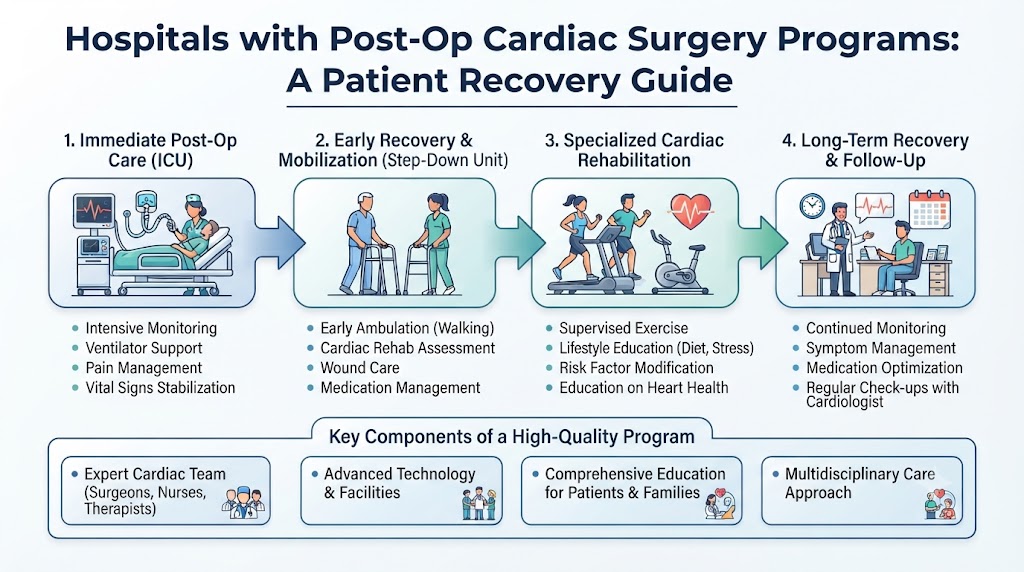
Undergoing heart surgery is a major medical event, but the journey to health truly begins in the days and weeks following the procedure. Recovery after cardiac surgery requires a carefully structured approach to ensure the heart heals correctly while gradually regaining physical strength and stamina.Post-operative cardiac surgery programs are designed to provide this necessary support through medical monitoring, exercise therapy, and lifestyle guidance. At BestHeartSurgery, we provide the information necessary to help you understand these programs and navigate your recovery journey. This guide will explore the components of effective cardiac rehabilitation, the technologies involved, and how to select a facility that prioritizes your long-term cardiovascular health.
Understanding Post-Operative Cardiac Surgery Programs
Cardiac rehabilitation is a medically supervised program designed to improve cardiovascular health after a heart event or surgery. These programs are not just about exercise; they are comprehensive, multidisciplinary efforts to restore physical function, manage risk factors, and educate patients on heart-healthy living.
The Goals of Cardiac Rehabilitation
The primary goal is to safely transition the patient from the hospital environment to daily life while minimizing complications and preventing future cardiovascular events. Through a team approach involving cardiologists, physiotherapists, nutritionists, and psychologists, patients receive care that addresses both their physical and emotional well-being.
CARDIAC REHABILITATION OVERVIEW TABLE
| Aspect | Description |
| Program Name | Cardiac Rehabilitation |
| Primary Purpose | Post-surgical recovery and secondary prevention |
| Eligible Patients | Post-CABG, Valve, Transplant, and Aortic surgery patients |
| Care Team | Cardiologists, PTs, Nutritionists, Nurses, Psychologists |
| Main Goal | Safe physical restoration and lifestyle optimization |
Who Benefits from Post-Op Cardiac Programs?
Rehabilitation is highly customized based on the type of surgery performed. Whether you have had a bypass or a complex valve replacement, a structured program helps you regain confidence.
ELIGIBLE PATIENTS TABLE
| Surgery Type | Why Rehabilitation Is Helpful | Typical Recovery Focus |
| CABG | Improves blood flow and stamina | Graft healing and endurance |
| Valve Surgery | Ensures proper heart function | Gradual activity increase |
| Minimally Invasive | Speeds up return to function | Mobility and wound care |
| Congenital Surgery | Promotes long-term heart health | Growth-appropriate activity |
| Heart Transplant | Essential for immunosuppressive health | Infection monitoring and fitness |
| Aortic Surgery | Stabilizes vascular health | Blood pressure management |
Components of a Post-Operative Cardiac Surgery Program
Continuous Medical Monitoring
Tracking heart rate, blood pressure, and ECG activity during exercise to ensure the heart tolerates physical exertion.
Supervised Exercise Therapy
Gradual, programmed exercise sessions that build cardiovascular capacity under professional guidance.
Cardiac Physiotherapy
Breathing exercises and physical movements designed to maintain lung health and improve mobility.
Nutrition Counseling
Tailored diet plans to manage cholesterol, blood pressure, and weight after surgery.
Medication Management
Education on post-op medications to ensure adherence and minimize side effects.
Psychological Support
Counseling to help navigate the anxiety or stress often associated with heart surgery recovery.
Lifestyle Modification Education
Guidance on smoking cessation, stress reduction, and maintaining an active lifestyle.
PROGRAM COMPONENTS TABLE
| Component | Purpose | Patient Benefit |
| Medical Monitoring | Safety verification | Real-time cardiac status checks |
| Exercise Therapy | Endurance building | Improved physical stamina |
| Physiotherapy | Respiratory support | Reduced risk of lung complications |
| Nutrition Counseling | Metabolic support | Better blood pressure control |
| Medication Review | Adherence | Optimal medication efficacy |
| Psychological Support | Mental health | Reduced post-surgical anxiety |
| Lifestyle Education | Long-term health | Lower risk of future events |
Advanced Technologies Used During Recovery
- Tele-Cardiac Rehabilitation: Allows patients to connect with their recovery team from home via digital platforms.
- Wearable Heart Monitoring Devices: Tracks heart rate and rhythm in real-time, feeding data back to the clinical team.
- Remote ECG Monitoring: Ensures continuous oversight of heart rhythm without the need for hospital stays.
- AI-Based Recovery Tracking: Uses data to predict recovery milestones and identify deviations from expected progress.
- Digital Patient Portals: A centralized hub for medical records, appointment scheduling, and communication with doctors.
TECHNOLOGY TABLE
| Technology | Purpose | Patient Benefit |
| Tele-Rehab | Remote consultation | Convenience and continuity |
| Wearable Monitoring | Real-time status | Immediate feedback on exertion |
| Remote ECG | Rhythm surveillance | Safety outside the hospital |
| AI Tracking | Milestone prediction | Personalized goal setting |
| Digital Portals | Data access | Empowered patient education |
Hospitals with Post-Op Cardiac Surgery Programs
Hospital Overview
Top centers offer seamless transition protocols, ensuring the surgery department works directly with the rehab team.
Cardiac Rehabilitation Department
Should be staffed by specialists who focus exclusively on the recovery phase.
Multidisciplinary Recovery Team
Look for access to surgeons, dietitians, and mental health professionals under one roof.
International Patient Services
Quality facilities provide translation services and tailored recovery plans for those traveling from abroad.
HOSPITAL COMPARISON TABLE
| Hospital Name | Location | Cardiac Rehab | Physiotherapy | Lifestyle Counseling | Intl. Patients |
| Heart Center A | Global | Comprehensive | Full | Yes | Yes |
| Cardiac Inst. B | Global | Advanced | Yes | Expert | Yes |
| Recovery Hub C | Global | Specialized | Yes | Yes | Yes |
Phases of Cardiac Rehabilitation
Phase I – Hospital Recovery
Begins within days of surgery, focusing on early mobility and breathing exercises.
Phase II – Supervised Outpatient Rehabilitation
Starts after discharge, with regular clinic visits for monitored exercise and therapy.
Phase III – Long-Term Exercise & Lifestyle
Focuses on independent exercise and incorporating heart-healthy habits into daily life.
Phase IV – Lifelong Heart Health Maintenance
Focuses on long-term prevention, routine checkups, and sustaining a healthy lifestyle.
CARDIAC REHAB PHASES TABLE
| Phase | Main Activities | Goal |
| Phase I | Sitting/walking in ward | Early mobility |
| Phase II | Monitored gym sessions | Strength and confidence |
| Phase III | Lifestyle integration | Sustaining activity |
| Phase IV | Routine monitoring | Lifelong cardiovascular health |
Benefits of Specialized Cardiac Recovery Programs
- Medical Supervision: The safest environment to challenge the heart to regain strength.
- Physical Rehabilitation: Targeted exercises that promote healing and prevent muscle loss.
- Risk Reduction: Programs address the root causes of heart disease to prevent secondary issues.
- Lifestyle Education: Empowering patients to manage their own health long-term.
- Emotional Support: Connecting with a care team helps alleviate the stress of recovery.
Future of Cardiac Rehabilitation
| Innovation | Potential Benefit |
| AI Recovery Programs | Highly adaptive, individualized pacing |
| Home Digital Rehab | Increased accessibility for all patients |
| Remote Monitoring | Early detection of warning signs |
| Personalized Exercise Plans | Maximized physical results |
| Predictive Analytics | Pre-emptive management of risks |
FAQs
- What is cardiac rehab?
A program to help you recover after heart surgery. - Who should join?
Any patient recovering from heart surgery or an event. - When does it start?
Often within a few days of surgery. - What exercises are included?
Walking, stationary biking, and light resistance. - Is it safe?
Yes, because it is medically supervised. - How long does it last?
Typically several weeks to months. - What lifestyle changes?
Diet, exercise, and stress management. - Can it reduce risks?
Yes, it lowers the chance of future events. - Are virtual options available?
Yes, many hospitals offer digital rehab. - How to choose a hospital?
Look for accredited rehabilitation programs. - Do I need a doctor referral?
Usually, yes. - Is exercise hard?
It is tailored to your current fitness level. - What about medication?
Your team will manage and explain your regimen. - Is it expensive?
Many insurance plans cover cardiac rehabilitation. - Will I recover fully?
Rehabilitation maximizes your physical potential.
Final Thoughts
Recovery from cardiac surgery is a journey that requires professional partnership, structured physical activity, and long-term commitment. Choosing a hospital that integrates a high-quality post-operative cardiac program ensures that your heart healing is monitored, your strength is built correctly, and your future health is protected.We encourage you to visit BestHeartSurgery to find resources, compare cardiac rehabilitation centers, and learn more about navigating your post-surgical recovery. Your path to restored health is best paved with expert guidance and a focus on long-term wellness.