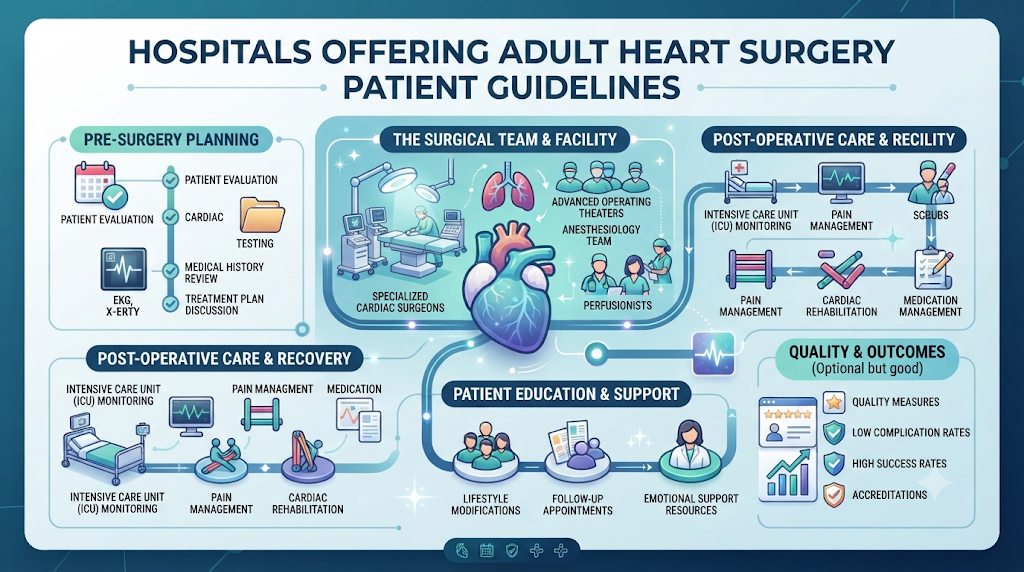
Introduction
The heart pumps blood to every part of the body. It helps deliver oxygen and nutrients. When the heart has a serious problem, daily activities can become difficult. Some conditions may also become life-threatening without proper care.
Doctors may recommend heart surgery for blocked heart arteries, damaged heart valves, or certain structural problems. Surgery can improve blood flow or help the heart work better. However, not every heart condition needs an operation.
Preparing for surgery can help patients understand each step. Clear hospital instructions also help families plan for treatment and recovery. Patients can explore heart surgery and hospital-related information through BestHeartSurgery.
This guide explains common heart operations, hospital care, safety checks, and recovery. It also shares useful questions patients can ask their cardiac team.
What Is Adult Heart Surgery?
Adult heart surgery is an operation used to treat certain problems in the heart or nearby blood vessels. Doctors may recommend it when a heart condition needs surgical treatment.
Some patients have blocked arteries. Others have damaged valves or problems with the aorta. The aorta is the main blood vessel that carries blood from the heart.
Open-heart surgery often involves opening the chest to reach the heart. Some operations use smaller cuts and special tools. These are called less invasive procedures. The right method depends on the patient’s condition and the planned operation.
A cardiac surgeon is a doctor trained to perform heart operations. The surgeon works with cardiologists, anesthesia doctors, nurses, and other specialists.
Each patient needs an individual treatment plan. Doctors consider symptoms, test results, age, general health, and other medical conditions.
Common Types of Adult Heart Surgery
Different heart problems need different operations. The cardiac team explains which procedure may suit the patient’s condition.
Coronary Artery Bypass Grafting (CABG)
Coronary arteries carry blood to the heart muscle. These arteries can become narrow or blocked due to fatty deposits. This can reduce blood flow and cause chest pain.
Bypass surgery creates a new route for blood to flow around a blockage. The surgeon uses a healthy blood vessel from another part of the body. This operation is also called heart bypass surgery.
Heart Valve Repair
Heart valves help blood move in the right direction. A damaged valve may not open or close properly. Valve repair aims to improve how the valve works while keeping the patient’s own valve.
Heart Valve Replacement
Some valves are too damaged to repair. In such cases, the surgeon may replace the valve. The new valve may be mechanical or made from biological tissue. Each type has different care needs.
Aortic Surgery
The aorta is the body’s main artery. Some patients develop an enlarged or weakened area in this vessel. Selected conditions may need surgery to repair or replace the affected part.
Surgery for Congenital Heart Conditions
Some adults still have heart problems that were present at birth. These are called congenital heart conditions. Selected cases may need surgery later in life.
Other Structural Heart Procedures
Some patients have problems with the walls or other structures inside the heart. These conditions need specialist assessment. The doctor will explain whether surgery or another treatment is suitable.
Not every heart condition requires an operation. Doctors may also consider medicines, lifestyle changes, or other procedures.
When Might an Adult Need Heart Surgery?
Some symptoms may lead a doctor to check the heart. These symptoms do not always mean surgery is needed. However, they should not be ignored.
Common symptoms include:
- Chest pain, pressure, or discomfort.
- Shortness of breath during activity or rest.
- Unusual tiredness or weakness.
- Fainting or repeated dizziness.
- Reduced ability to walk or exercise.
- Swelling in the legs or feet.
- A fast or irregular heartbeat.
Doctors may use heart tests to find the cause. They consider symptoms, test results, and the patient’s general health before suggesting treatment.
Sudden chest pain, severe breathing difficulty, fainting, or possible heart attack symptoms need emergency medical care. Do not wait for a routine hospital appointment when these signs appear.
How to Choose a Hospital for Adult Heart Surgery
Choosing a suitable hospital is an important part of treatment. Patients should check whether the hospital can meet their specific medical needs.
Consider these points:
- Qualified cardiac surgeons: Ask about the surgeon’s training and experience with the planned operation.
- Cardiac surgery department: Check whether the hospital provides the required heart surgery services.
- Cardiac anesthesia team: Ask whether trained doctors manage anesthesia during heart operations.
- Intensive care unit: A cardiac intensive care unit supports close monitoring after surgery.
- Emergency support: Check access to emergency care, blood bank services, and other urgent support.
- Infection prevention: Ask about cleaning, sterile equipment, and infection-control practices.
- Diagnostic facilities: Suitable heart tests and imaging help doctors plan treatment.
- Skilled nurses: Nurses support patients before surgery and during recovery.
- Physiotherapy services: These teams help patients begin safe movement after surgery.
- Cardiac rehabilitation: Ask whether supervised recovery support is available.
- Clear communication: The hospital should explain costs, risks, and care instructions.
Patients should also ask how the hospital handles problems after discharge. A clear contact plan can help patients get advice when needed.
Do not choose a hospital based only on advertisements or general rankings. Focus on its experience with the exact procedure and the patient’s care needs.
Tests and Medical Checks Before Heart Surgery
Pre-surgery tests help doctors understand the heart and overall health. They also help the team plan anesthesia and treatment. Not every patient needs every test.
Common tests may include:
- Electrocardiogram (ECG): Records the heart’s electrical activity. It can help identify an irregular heartbeat or other changes.
- Echocardiogram: Uses sound waves to create pictures of the heart. It shows how the heart and valves work.
- Blood tests: Check blood counts, kidney function, and other health measures.
- Chest X-ray: Gives the team information about the lungs and chest.
- Cardiac catheterization: A thin tube helps doctors examine blood flow and check for blocked arteries.
- CT scans: These scans provide detailed pictures of the heart or blood vessels when needed.
- Lung function tests: These may help assess breathing in selected patients.
The doctor explains which tests are needed and what they show. Patients should ask about any test they do not understand.
How Patients Should Prepare for Heart Surgery
Good preparation helps patients know what to expect. It also gives the medical team important information.
Before surgery, patients should:
- Attend all planned appointments and health checks.
- Share details of past illnesses and operations.
- Tell the team about allergies and past anesthesia reactions.
- Provide a full list of medicines and supplements.
- Ask which medicines to take on the day of surgery.
- Follow the hospital’s food and drink instructions.
- Discuss smoking and alcohol use with the doctor.
- Ask whether dental checks or other assessments are needed.
- Arrange transport and support for the journey home.
- Prepare a comfortable space for recovery.
Never stop or change prescribed medicines without medical advice. Some medicines need special instructions before surgery.
Follow fasting instructions carefully. Fasting means avoiding food and drinks for a set period. The hospital will explain the correct timing for each patient.
Patients may also ask family members to help organize appointments and medical papers. Planning ahead can make hospital admission less stressful.
What Happens on the Day of Heart Surgery?
Hospital staff check the patient’s identity and medical details after admission. They review test results, medicines, and the planned operation. The team may also complete final health checks.
An anesthesia doctor explains how the patient will be kept asleep during surgery. General anesthesia is medicine that makes a patient unconscious and prevents pain during the operation.
The cardiac surgeon and operating team perform the planned procedure. Staff monitor the patient’s heart rate, breathing, blood pressure, and other vital signs.
After surgery, many patients move to a cardiac intensive care unit. Nurses and doctors monitor them closely as they wake up. Some patients need breathing support for a short time.
The length of surgery and hospital stay varies. It depends on the operation, recovery, and overall health.
Possible Risks and Complications of Adult Heart Surgery
Heart surgery is a major medical procedure. It can offer important benefits, but it also has possible risks. These risks differ between patients.
Possible complications include:
- Bleeding during or after surgery.
- Infection in the wound or chest.
- Blood clots.
- Irregular heart rhythm.
- Stroke.
- Kidney or lung problems.
- Reactions to anesthesia.
- Pain or delayed wound healing.
Age, general health, existing conditions, and the type of surgery can affect risk. The surgeon and anesthesiologist assess these factors before the operation.
No operation is completely free of risk. Patients should ask which complications are most relevant to their health. They should also ask how the hospital monitors and manages possible problems.
Recovery After Adult Heart Surgery
Recovery takes time. Each patient’s progress is different. The type of operation and overall health can affect the recovery period.
The hospital team gives instructions for wound care and pain control. Patients should follow these directions carefully. They should not apply creams or other products to the wound unless advised.
Recovery may include:
- Pain control: Take prescribed medicines as directed.
- Wound care: Keep the wound clean and follow dressing instructions.
- Breathing exercises: These can help support lung recovery.
- Gradual movement: Start walking and other activity as advised.
- Healthy food: Eat balanced meals that support healing.
- Hydration: Follow medical advice about fluid intake.
- Good sleep: Rest can support the recovery process.
- Daily support: Family members may need to help with some tasks.
Patients should avoid heavy lifting until the surgeon allows it. Driving and returning to work also depend on recovery and medical advice.
Do not rush back into exercise or demanding activities. Ask the care team before changing activity levels.
Cardiac Rehabilitation and Long-Term Heart Care
Cardiac rehabilitation is a supervised program that supports recovery after heart treatment. It may include safe exercise, health education, and emotional support.
A rehabilitation team may include doctors, nurses, and exercise specialists. They help patients build strength at a safe pace.
Long-term heart care may include:
- Following a heart-healthy eating plan.
- Taking prescribed medicines as directed.
- Building safe physical activity into daily life.
- Stopping smoking with suitable support.
- Managing stress and getting enough sleep.
- Keeping regular heart checkups.
- Attending recommended rehabilitation sessions.
Rehabilitation can help patients regain confidence and improve daily function. It does not replace medical follow-up. Patients should keep seeing their cardiac team as advised.
Warning Signs After Heart Surgery
Some discomfort can occur during recovery. However, certain symptoms need medical attention.
Contact the care team if you notice:
- Fever or chills.
- Increasing redness, swelling, or discharge near the wound.
- Worsening pain around the chest or wound.
- New or unusual leg swelling or pain.
- A fast or irregular heartbeat with other symptoms.
- Dizziness that does not improve.
Severe chest pain, sudden breathing difficulty, stroke signs, or loss of consciousness require emergency care. Seek help at once.
Follow the hospital’s discharge instructions. If you are unsure whether a symptom is serious, contact your care team promptly.
How Families and Caregivers Can Support Recovery
Family support can make recovery easier. Patients may need help with daily tasks during the first stage of healing.
Caregivers can:
- Help organize medicines and appointments.
- Support wound care as instructed by nurses.
- Prepare balanced meals.
- Help the patient follow safe activity advice.
- Encourage attendance at rehabilitation sessions.
- Watch for warning signs.
- Offer calm and patient emotional support.
Avoid pushing the patient to recover too quickly. Healing takes time. Follow the advice given by the cardiac team.
How BestHeartSurgery Can Help Patients
Patients and families often need clear information before choosing a hospital. BestHeartSurgery.com can be a starting point for exploring heart surgery and hospital-related information.
Patients should confirm all important details directly with the hospital. Ask about surgeon qualifications, hospital facilities, procedure options, costs, and follow-up services.
A hospital listing alone cannot confirm that a service is suitable for every patient. The final choice should reflect the patient’s diagnosis and the advice of the cardiac care team.
Mandatory Table 1: Common Adult Heart Surgeries
| Surgery Type | Main Purpose | Heart Problem It May Treat | Important Patient Consideration |
|---|---|---|---|
| Bypass surgery (CABG) | Creates a new route for blood flow. | Narrow or blocked coronary arteries. | Ask about the planned grafts and recovery needs. |
| Valve repair | Helps a valve open or close better. | A damaged or poorly working heart valve. | Ask whether repair is suitable for the valve. |
| Valve replacement | Replaces a badly damaged valve. | Severe valve disease. | Ask about valve types and long-term medicine needs. |
| Aortic surgery | Repairs or replaces part of the aorta. | Selected aortic enlargement or damage. | Ask about the procedure and follow-up scans. |
| Structural heart surgery | Treats selected problems in heart structures. | Certain defects or structural conditions. | Ask about specialist experience and other treatment options. |
The best treatment depends on the patient’s diagnosis, test results, and overall health.
Mandatory Table 2: Adult Heart Surgery Preparation and Recovery Checklist
| Stage | Patient Guideline | Why It Matters |
|---|---|---|
| Pre-surgery appointments | Attend all checks and ask questions. | Helps the team plan treatment. |
| Medicine review | Share all medicines and follow the doctor’s instructions. | Helps prevent medicine-related problems. |
| Fasting instructions | Follow the exact food and drink limits. | Supports safer anesthesia care. |
| Hospital admission | Bring medical records and required personal items. | Helps staff complete admission checks. |
| Wound care | Follow cleaning and dressing instructions. | Supports healing and helps prevent infection. |
| Gradual activity | Walk and exercise only as advised. | Helps rebuild strength safely. |
| Medication use | Take prescribed medicines as directed. | Supports recovery and long-term heart care. |
| Follow-up visits | Attend all scheduled appointments. | Allows the team to check healing and heart health. |
Frequently Asked Questions
1. What are the common types of adult heart surgery?
Common types include coronary artery bypass surgery, heart valve repair, and valve replacement. Some patients need aortic surgery or an operation for a structural heart problem. The right procedure depends on the patient’s diagnosis, test results, and overall health.
2. How do doctors decide if a patient needs heart surgery?
Doctors review symptoms, medical history, and test results. They may use ECGs, echocardiograms, or other scans. They also consider the patient’s general health and other treatment options. Surgery is recommended when the expected benefits support that choice.
3. What tests are required before adult heart surgery?
Tests may include an ECG, echocardiogram, blood tests, and chest X-ray. Some patients also need cardiac catheterization, CT scans, or lung tests. The exact tests depend on the heart condition and planned operation. Not every patient needs every test.
4. How should patients prepare for heart surgery?
Patients should attend all appointments and share their medical history. They should tell the team about medicines, allergies, and past anesthesia reactions. Follow instructions about food, drinks, and medicines. Never stop prescribed medicines without advice from the medical team.
5. Is general anesthesia used during heart surgery?
Yes. General anesthesia is commonly used during adult heart surgery. It keeps the patient unconscious and prevents pain during the operation. An anesthesia doctor checks the patient’s health and monitors vital signs throughout the procedure. The team will explain possible risks before surgery.
6. How long does a patient stay in the hospital after heart surgery?
Hospital stay depends on the type of surgery and the patient’s recovery. Many patients spend time in intensive care before moving to a regular ward. Some need a longer stay because of other health needs or complications. The hospital team decides when discharge is safe.
7. What are the possible risks of adult heart surgery?
Possible risks include bleeding, infection, blood clots, irregular heartbeat, stroke, and kidney or lung problems. Reactions to anesthesia can also occur. Risk varies with age, health, and the procedure. Patients should discuss their personal risks with the surgeon.
8. How long does recovery from heart surgery take?
Recovery varies between patients and procedures. Some people regain strength sooner, while others need more time. Wound healing, walking, and returning to work follow different timelines. Follow the surgeon’s instructions and avoid heavy activity until the care team gives approval.
9. What is cardiac rehabilitation after heart surgery?
Cardiac rehabilitation is a supervised recovery program. It may include safe exercise, health education, and emotional support. It helps patients build strength and learn healthy habits. The cardiac team can explain when rehabilitation should begin and which program suits the patient.
10. How can patients choose a suitable heart surgery hospital?
Check the cardiac surgeon’s qualifications and experience with the planned procedure. Ask about intensive care, anesthesia support, emergency services, infection control, and rehabilitation. Clear communication and follow-up care also matter. Choose a hospital that can meet your medical needs.
Final Thoughts
Adult heart surgery can treat serious problems involving the heart and major blood vessels. Understanding the procedure can help patients prepare and take part in treatment decisions.
Choose a hospital with a qualified cardiac team and suitable facilities. Ask about tests, anesthesia, personal risks, and recovery needs. Follow all medical instructions before and after surgery.
Every patient’s heart condition is different. Recovery also takes a different amount of time for each person. Work closely with your cardiac care team, attend follow-up visits, and ask for help when needed.