Heart failure can make daily life harder for patients and their families. Simple tasks may cause tiredness, breathlessness, or weakness. The right care plan can help patients manage symptoms and stay as active as possible.
Hospitals for heart failure recovery programs may offer medical checks, guided exercise, and health education. These services can help patients learn how to care for their hearts. They can also help families understand the support their loved ones may need.
Every patient has different needs. Some people need support after a hospital stay. Others need help managing symptoms and daily tasks. This article explains what recovery programs offer and how to compare care options. You can also learn more about heart care services at Bestheartsurgery.
What Is Heart Failure?
Heart failure happens when the heart cannot pump blood as well as the body needs. The heart still works, but it may not move blood well enough. This can affect how the body gets oxygen and nutrients.
Heart failure does not mean the heart has stopped. It is often a long-term health problem that needs ongoing care. Treatment may help control symptoms and improve daily life.
Common symptoms include:
- Shortness of breath during activity or while resting
- Feeling tired or weak
- Swelling in the feet, ankles, or legs
- Trouble breathing when lying flat
- A fast or uneven heartbeat
- Sudden weight gain from extra fluid
Not every patient has the same symptoms. Some people may have mild problems, while others need more support. Symptoms can also change over time.
A heart specialist can assess the cause and type of heart failure. The doctor may recommend medicines, lifestyle changes, and regular checkups. Some patients may also benefit from a heart failure recovery program.
What Are Heart Failure Recovery Programs?
Heart failure recovery programs help people manage their condition and daily activities. They may include medical reviews, safe exercise, health lessons, and emotional support. Staff may also teach patients how to notice changes in their symptoms.
Cardiac rehabilitation is one form of support that may help suitable patients. It often combines guided activity, health education, and support for lasting changes. Heart failure care may include other services based on each patient’s needs.
Programs may take place in hospitals, clinics, community centers, or approved home settings. Some offer in-person visits, while others include remote support. The care team can explain which option may suit each patient.
These programs support medical treatment. They do not replace care from a cardiologist or other heart specialist. Patients should keep taking medicines as prescribed and attend planned medical visits.
A recovery program may help patients learn how to pace daily tasks. It can also teach them when to rest and when to seek help. The aim is to support safer activity and better condition management.
Who May Benefit From a Recovery Program?
A heart specialist may suggest a recovery program for suitable patients. It may help people who have recently left the hospital. It may also help those who need support with daily activities.
Patients with stable heart failure may benefit from guided exercise and health education. They may learn how to manage tiredness and plan activities. Families can also learn how to support care at home.
However, not everyone can start exercise right away. A medical team must first assess symptoms, health history, and activity limits. Some patients need treatment or symptom control before beginning a program.
The care plan should match the patient’s health and goals. Age, other health problems, strength, and personal needs can affect the plan. The care team should explain what is safe and suitable.
Why Choose a Hospital for Heart Failure Recovery?
A hospital-based program may bring several parts of care together. Patients may have access to heart specialists, nurses, and trained rehabilitation staff. This can help the team coordinate care and review changes.
The team may check symptoms before activity begins. Staff can guide exercise and watch how the patient responds. They may also teach patients how to follow their care plan at home.
Hospital programs may offer classes about medicines, food choices, and warning signs. Some also provide help with stress or low mood. Family members may learn ways to support the patient.
Still, hospital care is not always the best fit for everyone. A clinic or approved home-based program may suit some patients. The right choice depends on medical needs, travel, access, and the services available.
Patients should ask what the program includes before they enroll. They should also confirm how the team handles new symptoms or urgent concerns. Clear answers can help families plan with confidence.
What to Look for in a Hospital
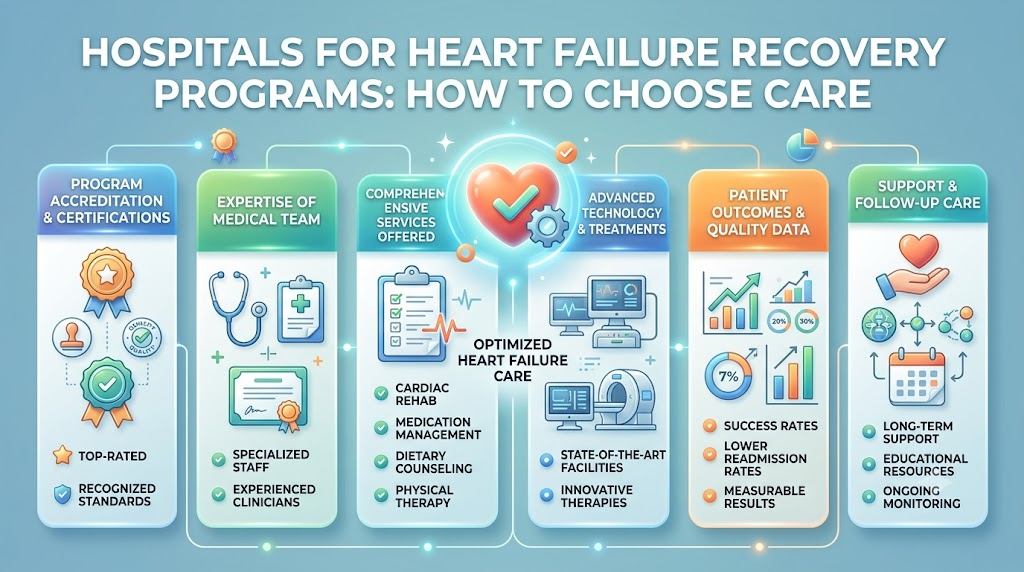
Choosing a recovery program takes more than comparing hospital names. Look at the staff, services, follow-up plan, and cost. Make sure the program can meet the patient’s needs.
Important factors include:
- Qualified staff: Ask whether cardiologists and trained rehabilitation staff support the program.
- Health checks: Find out how staff assess patients before exercise.
- Personal care plans: Ask how the team adapts care to each patient’s health.
- Guided exercise: Check whether trained staff supervise activity when needed.
- Health education: Look for clear lessons about symptoms and daily care.
- Food advice: Ask whether a qualified professional can discuss food needs.
- Emotional support: Find out whether counseling or support groups are available.
- Follow-up visits: Check how the team tracks progress after the program.
- Family support: Ask whether caregivers can join lessons or care talks.
- Clear costs: Request a written list of included services and extra fees.
- Urgent care plans: Ask how the team responds to new or severe symptoms.
Staff should explain the program in words patients can understand. They should welcome questions and respect each person’s needs. Patients should feel able to report symptoms or concerns.
Do not assume that a large hospital always provides better care. A clinic may offer suitable services and easier access. Compare the care plan, staff skills, and support options before deciding.
What Happens During a Recovery Program?
Each program may offer different services. The care team should explain what is included and why it matters. A plan may change as the patient’s health changes.
Medical Assessment
The team may ask about symptoms, past health problems, and daily activities. Staff may review medicines and recent hospital care. They may also check blood pressure, heart rate, and other health signs.
The team uses this information to plan safe care. Patients should share all medicines they take, including non-prescription products. They should also mention new symptoms and any trouble following the plan.
Supervised Exercise
Suitable patients may take part in guided physical activity. The team chooses activities based on the patient’s health and ability. Staff may watch breathing, heart rate, and how hard the activity feels.
The aim is to build safe movement and daily strength. Patients should not push through chest pain, severe breathlessness, or faintness. They should tell staff if they feel unwell during activity.
The team may change the plan as the patient improves. Patients should not start a new exercise routine without medical advice. Activity that suits one person may not suit another.
Health Education
Patients may learn how heart failure affects the body. Staff can explain common symptoms and signs of worsening health. They may also teach patients when to contact their care team.
Some programs teach patients how to keep a symptom record. This may help the team spot changes during follow-up. Patients should ask which changes need urgent attention.
Nutrition Support
Food advice should fit the patient’s health and treatment plan. A trained professional may discuss meal choices and healthy eating habits. The team may also explain any salt or fluid limits set by the doctor.
Patients should not set strict fluid limits on their own. Needs can vary with health, medicines, and symptoms. Ask the care team before making major diet changes.
Emotional and Family Support
Living with heart failure can cause worry, stress, or low mood. Patients may feel unsure about activity or future health. Emotional support can help them talk through these concerns.
Some programs offer counseling or group support. Family members may learn how to help with daily care. They can also learn which symptoms need medical attention.
Follow-Up Care
Follow-up helps the team review symptoms and daily function. Staff may ask whether the patient can manage planned activities. They may also check whether the care plan remains suitable.
The team may adjust the program based on progress. Patients should keep their medical appointments, even when they feel better. Recovery support works best alongside ongoing heart care.
How to Compare Recovery Program Services
Use these questions when speaking with hospitals or clinics. Ask for clear answers before choosing a program.
| Program Feature | What to Ask | Why It Matters |
|---|---|---|
| Medical review | Who checks my health before exercise? | Helps plan safe care |
| Guided activity | Is exercise supervised by trained staff? | Helps match activity to patient needs |
| Health education | Will I learn about symptoms and daily care? | Supports care at home |
| Family support | Can my caregiver join sessions? | Helps families understand their role |
| Follow-up | How will the team review my progress? | Helps track changing needs |
| Total cost | Which visits and services are included? | Helps avoid surprise fees |
Daily Habits That May Support Heart Health Recovery
A recovery program may help patients build habits that fit their care plan. Small, steady steps may be easier to maintain than sudden changes. The heart team should guide changes based on each patient’s needs.
Helpful habits may include:
- Take medicines as prescribed.
- Attend planned medical and recovery visits.
- Follow the activity plan set by the care team.
- Ask what foods and drinks fit your care plan.
- Track symptoms if your care team recommends it.
- Tell the team about new or worsening symptoms.
- Ask for help when daily tasks become difficult.
- Keep family members informed about the care plan.
Do not stop or change medicines without medical advice. Do not use another patient’s plan as your own. Your heart specialist can help you decide which habits are right for you.
Warning Signs That Need Medical Attention
Patients and caregivers should know which symptoms need urgent help. Heart failure symptoms can change, even during a recovery program. Report changes to the care team rather than waiting for the next visit.
Contact the medical team if breathlessness, swelling, or tiredness gets worse. Also report sudden weight gain if your care team has asked you to track weight. Follow the personal warning plan given by your clinician.
Seek emergency care for severe trouble breathing, chest pain that does not go away, fainting, or sudden confusion. Do not wait for a routine appointment if symptoms seem life-threatening. If you are unsure, seek urgent medical advice.
A good recovery program should explain how to get help. Ask whom to call during office hours and outside them. Make sure family members know the plan too.
Understanding Recovery Program Costs
The cost of heart failure recovery care varies by provider and patient needs. It may depend on the number of visits, staff support, tests, and program length. Extra medical reviews may add to the total cost.
Ask the hospital for a written estimate before you begin. Check whether medical checks, guided exercise, education, and follow-up visits are included. Ask about extra fees for tests or visits outside the planned schedule.
You should also ask whether insurance or other health cover may help pay. Coverage depends on the policy and the services provided. Confirm details with the hospital and your insurer before making plans.
Do not choose a program by price alone. Compare the staff, care plan, access, and support services. A clear cost breakdown helps you judge what each program offers.
Frequently Asked Questions
1. What is a heart failure recovery program?
It is a plan that helps suitable patients manage heart failure. It may include health checks, guided activity, education, and follow-up care.
2. Who may benefit from heart failure rehabilitation?
Some patients may benefit after a hospital stay or when managing daily tasks. A heart specialist must decide whether a program is suitable.
3. Is cardiac rehabilitation safe for people with heart failure?
It may be suitable for some patients after a medical assessment. The team should set activity based on each patient’s health and needs.
4. What happens during a recovery program?
Patients may receive medical reviews, supervised activity, health lessons, and support. Services vary by provider and care plan.
5. How long does a heart failure recovery program last?
The length depends on the program and the patient’s needs. Ask the provider about the planned schedule and follow-up care.
6. Can I join a home-based recovery program?
Some patients may qualify for approved home-based support. Ask your heart specialist whether this option is suitable for you.
7. Does a recovery program replace heart failure treatment?
No. It supports treatment but does not replace care from a heart specialist. Keep taking medicines as prescribed and attend medical visits.
8. Can family members take part in recovery care?
Some programs allow family members to join education sessions. Their support can help patients follow care advice at home.
9. How much does a heart failure recovery program cost?
Costs depend on the services, visits, tests, and care needs. Ask for a written estimate and check what the fee includes.
10. When should I seek urgent medical help?
Seek urgent help if symptoms get worse. Severe breathing trouble, ongoing chest pain, fainting, or sudden confusion may need emergency care.
Conclusion
Heart failure recovery programs can help suitable patients manage symptoms and daily life. Good care includes medical review, safe activity, clear advice, and planned follow-up.
Compare hospitals based on staff, services, access, and costs. Discuss your needs with a qualified heart specialist before choosing a program. With the right support, patients and families can make more informed care decisions.