Introduction
Heart rhythm disorders can significantly impact your daily energy, mobility, and overall quality of life. When your heart’s electrical system struggles to keep pace, it can lead to exhaustion, dizziness, and a feeling that something is simply not right. Fortunately, modern medical technology offers highly effective solutions, and for many patients, a pacemaker is the key to regaining their vitality.Deciding where to undergo this life-changing procedure is one of the most critical steps in your cardiac journey. By researching reputable hospitals offering pacemaker implantation services, you ensure that you are in the hands of experienced electrophysiologists who prioritize safety, precision, and long-term device management. For expert resources on finding specialized care, visit BestHeartSurgery to explore your options.In this guide, we will explore the essential aspects of pacemaker technology, the conditions that require intervention, and how to choose the right facility to ensure your heart gets the rhythm it needs.
Understanding Pacemakers
What Is a Pacemaker?
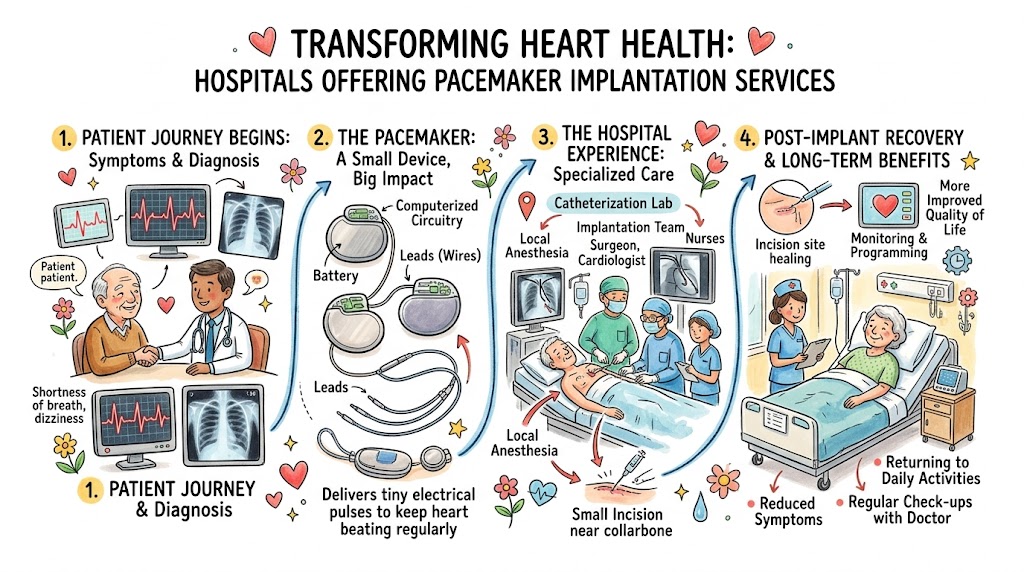
A pacemaker is a small, life-saving device implanted under the skin of the chest. It uses low-energy electrical pulses to prompt the heart to beat at a normal, healthy rate.
How a Pacemaker Works
The device consists of a small battery-powered pulse generator and thin wires called leads (though leadless options now exist). It continuously monitors your heart’s activity and sends electrical signals only when the heart’s natural rhythm is too slow or irregular.
Why Pacemakers Are Needed
When the heart’s natural pacemaker—the sinus node—malfunctions, or the electrical pathways become blocked, the heart cannot pump enough oxygen-rich blood to the body. A pacemaker restores this vital rhythm, preventing symptoms like fainting and weakness.
Difference Between Pacemakers and Other Cardiac Devices
While pacemakers regulate the heart rate, they are different from Implantable Cardioverter Defibrillators (ICDs). ICDs are designed to detect and shock dangerously fast, life-threatening rhythms back to normal, whereas pacemakers focus on correcting slow or inconsistent heartbeats.
Heart Conditions That May Require Pacemaker Implantation
Pacemakers are typically indicated for conditions like bradycardia (an abnormally slow heart rate) or heart block, where electrical signals are interrupted between the upper and lower chambers of the heart.
Other conditions include Sick Sinus Syndrome, where the heart’s natural pacemaker does not fire correctly, and various arrhythmias that cause the heart to work inefficiently. Additionally, some patients with congenital heart rhythm disorders or those experiencing severe exercise intolerance due to an inability to increase their heart rate may be candidates for implantation.
Common Symptoms and When Pacemaker Evaluation May Be Needed
| Symptom | Possible Cause | Recommended Medical Action | Need for Pacemaker Assessment |
| Slow Heart Rate | Bradycardia | Check blood pressure | Likely Needed |
| Dizziness | Poor brain perfusion | Schedule cardiology visit | Often Needed |
| Fainting Episodes | Electrical failure | Emergency consultation | Highly Recommended |
| Fatigue | Reduced cardiac output | General checkup | Possible |
| Shortness of Breath | Heart inefficiency | Lung/Heart evaluation | Possible |
| Chest Discomfort | Reduced blood flow | Urgent evaluation | Highly Recommended |
| Irregular Heartbeat | Arrhythmia | ECG diagnostic test | Recommended |
| Exercise Intolerance | Failure to speed up | Physical stress test | Recommended |
The table above outlines common signs that your heart’s electrical system may be struggling. While some of these symptoms, such as fatigue, can be attributed to many causes, they should never be ignored if they are persistent or worsening.
If you find that your symptoms are directly interfering with your ability to remain active or if you have experienced unexplained fainting, seeking a prompt evaluation is crucial. A pacemaker assessment will determine if your symptoms are stemming from electrical issues that can be solved with modern, minimally invasive technology.
Types of Pacemakers
- Single-Chamber Pacemakers: Use one lead to send pulses to either the right atrium or the right ventricle.
- Dual-Chamber Pacemakers: Use two leads to coordinate the timing between the upper and lower chambers.
- Biventricular Pacemakers: Often used in heart failure, these use three leads to coordinate the timing of both lower chambers.
- Leadless Pacemakers: A newer, miniature device implanted directly into the heart, eliminating the need for wires.
- Temporary vs Permanent Pacemakers: Temporary devices are used for short-term fixes, while permanent devices are implanted for long-term rhythm management.
How Pacemaker Implantation Is Performed
The process begins with a comprehensive pre-procedure evaluation, including blood work and imaging, to ensure you are ready for the surgery. On the day of the procedure, you are given local anesthesia and light sedation.
The surgeon makes a small incision, usually near the collarbone, and guides the leads through a vein into the heart. The pacemaker generator is tucked into a small pocket under the skin. The entire procedure is relatively quick, and most patients are monitored in the hospital for a short period to ensure the device is perfectly programmed for their needs.
Benefits of Pacemaker Implantation
The most immediate benefit is the restoration of a steady, healthy heart rhythm. Patients often report an instant improvement in physical activity tolerance—simple tasks like walking or climbing stairs no longer feel like a struggle.
By preventing the heart rate from dropping dangerously low, the pacemaker reduces the risk of fainting and secondary complications, such as falls or related cardiac strain. Ultimately, the device allows patients to return to a more active, fulfilling lifestyle with the peace of mind that their heart rate is being managed.
Why Choose Hospitals Offering Pacemaker Implantation Services
Leading hospitals offer more than just the surgery; they provide a team of experienced cardiac specialists, including electrophysiologists, who specialize in the heart’s electrical system.
These facilities are equipped with the latest cardiac technology, such as specialized labs and digital monitoring tools. Furthermore, they offer emergency cardiac support and comprehensive, life-long follow-up care, ensuring that your device is always performing optimally and that you are monitored for any changes in your heart health.
How to Choose the Right Hospital
Focus on the hospital’s cardiac surgery infrastructure and the experience of its electrophysiology team. A high-quality hospital will have clear patient safety standards and robust diagnostic capabilities.
Consider their rehabilitation and follow-up support services—you want a team that is as invested in your recovery as they are in the implantation itself. If you are traveling for care, ensure the hospital offers international patient support to handle travel logistics and communication with your local healthcare provider.
Recovery After Pacemaker Implantation
The first few days involve rest and gentle monitoring. You will have a small incision site that needs to be kept clean and dry. Your doctor will provide specific activity restrictions, such as avoiding lifting the affected arm above the shoulder for a few weeks to allow the leads to settle.
Follow-up appointments are essential during this phase to check the device and the incision. Gradually, you will be cleared to return to your normal daily activities, though some lifestyle adjustments regarding proximity to strong magnets or heavy machinery may be permanent.
Living with a Pacemaker
Daily life with a pacemaker is quite normal for most people. While you should avoid strong magnetic fields, such as those found in industrial settings, most household electronics are perfectly safe.
Travel remains an option, though you should always carry your pacemaker ID card and inform airport security of your device. You are encouraged to maintain a regular exercise routine, though your doctor will provide specific guidelines on intensity. Routine monitoring—sometimes done remotely from your home—ensures your device is always functioning correctly.
Common Mistakes Patients Make
One of the most frequent mistakes is ignoring symptoms that suggest the heart rhythm is struggling before getting a diagnosis. Another error is failing to attend follow-up appointments, which are necessary to adjust the device settings as your health needs evolve.
Some patients also overexert themselves too early during the recovery phase, which can dislodge the leads. Finally, neglecting to read and follow the specific instructions regarding electronic device precautions can occasionally lead to unnecessary device interference.
Heart Health and Prevention Tips
- Follow a heart-healthy, Mediterranean-style diet rich in vegetables and healthy fats.
- Aim for regular, doctor-approved exercise like walking or swimming.
- Manage blood pressure through a low-sodium diet and stress reduction.
- Keep all follow-up appointments with your cardiologist.
- Monitor your heart rate and rhythm regularly if advised.
- Quit smoking, as it significantly damages arterial and heart health.
- Maintain a healthy body weight to reduce overall strain on your heart.
- Practice stress management techniques like deep breathing or yoga.
- Get quality sleep, as sleep apnea can contribute to heart issues.
- Limit the intake of caffeine or alcohol, which may trigger arrhythmias.
- Keep a record of your device model and settings.
- Wear a medical alert bracelet identifying your pacemaker.
- Avoid prolonged exposure to strong magnets.
- Always consult your doctor before starting new supplements or intense sports.
- Listen to your body and rest when you feel excessive fatigue.
Latest Advances in Pacemaker Technology
Innovation in cardiac rhythm management is moving toward miniaturization and wireless technology. Leadless pacemakers are now a reality, significantly reducing the risks associated with traditional lead-based systems. MRI-compatible pacemakers allow patients to undergo necessary diagnostic scans without worrying about device interference. Remote monitoring has also been a game-changer, allowing doctors to track device performance in real-time without the patient needing to step foot in a clinic.
Frequently Asked Questions (FAQ)
- How long does the pacemaker surgery take?The procedure typically takes between one to three hours, depending on the complexity of your specific case and the type of pacemaker being implanted.
- Is the pacemaker surgery painful?You will receive local anesthesia to numb the incision site and sedation to keep you relaxed. Most patients feel very little pain during the procedure and manage minor soreness afterward with simple medications.
- How long does a pacemaker battery last?Batteries generally last between 7 to 15 years, depending on the device settings and your level of activity. Your doctor will monitor battery levels during routine checkups.
- Will I feel the pacemaker under my skin?You may be able to feel a small, firm bump under the skin, especially if you are quite thin. However, it is usually not visible under clothing.
- Can I use a microwave or cell phone?Modern pacemakers are very well-shielded against interference. It is generally safe to use household appliances, though you should keep cell phones a few inches away from the device site.
- Can I play sports with a pacemaker?Yes, once you have recovered, you can return to many activities. However, avoid contact sports or activities that could lead to a hard blow to your chest, which might damage the device.
- How is the device monitored?Your doctor will schedule routine follow-ups. Many modern devices also offer remote monitoring, sending data automatically from your home to your clinic for analysis.
- Are there any risks to pacemaker surgery?As with any procedure, risks include infection, bleeding, or bruising at the site. These are rare and are minimized by choosing a specialized cardiac hospital.
- Can I travel by airplane?Yes. Always carry your pacemaker ID card and inform security personnel about your device. They may use a handheld wand instead of passing you through a full-body scanner.
- What happens if the pacemaker stops working?The device is designed with built-in safety features. If the battery runs low, the doctor will schedule a routine replacement procedure well before it stops working.
- Can I drive with a pacemaker?Your doctor will provide specific advice, usually restricting driving for a short period immediately after surgery to ensure you have fully healed.
- What if I need an MRI?Most modern pacemakers are MRI-compatible. However, always inform your medical team that you have a device so they can adjust the settings before the scan.
- Is pacemaker surgery considered “open heart” surgery?No, it is a minimally invasive procedure performed through a small incision, not a major surgery involving opening the chest cavity.
- How do I know which pacemaker is right for me?Your electrophysiologist will conduct a thorough assessment of your heart rhythm, your lifestyle, and your medical history to choose the optimal device for your needs.
- Will the pacemaker cure my heart condition?It will manage your heart rhythm, preventing the symptoms of your condition. While it is not a “cure” for the underlying heart disease, it is a highly effective way to manage its most serious effects.
Final Conclusion
The decision to undergo pacemaker implantation is a significant step toward improving your health, energy, and overall well-being. By recognizing the symptoms of heart rhythm disorders early and seeking professional evaluation, you can prevent the complications associated with a slow or erratic heartbeat. Choosing one of the leading hospitals offering pacemaker implantation services provides you with the peace of mind that comes from knowing you are in the hands of specialists who utilize the most advanced diagnostic and surgical tools available.
Remember that a pacemaker is more than a medical device—it is an investment in your ability to return to the activities you love. Successful management requires a collaborative relationship with your care team, including consistent follow-up visits and adherence to device care guidelines. With the latest advances in technology, including leadless and remote-monitored devices, living with a pacemaker has never been easier or more manageable.