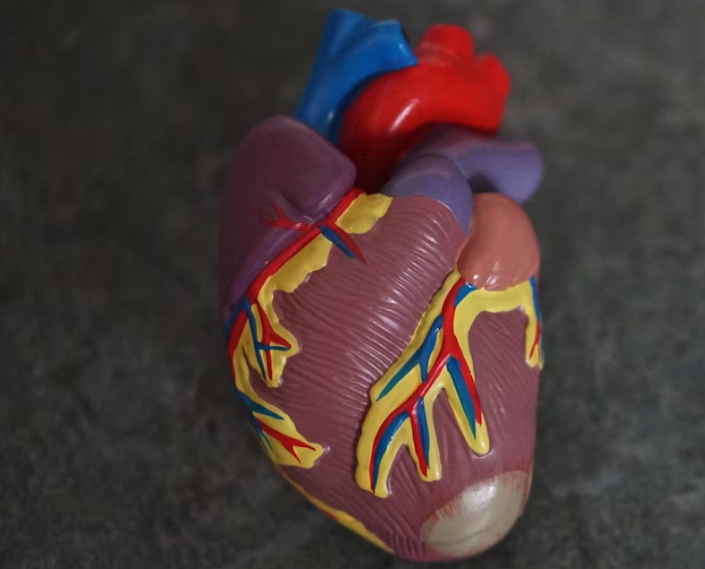
Heart bypass surgery is among the most common major surgeries in the United States. Future Market Insights reports that the forecast for the demand for coronary artery bypass graft procedures in the USA is expected to grow from USD 6.5 billion in 2025 to USD 8.5 billion by 2035. This indicates a compound annual growth rate (CAGR) of 2.8%.
After bypass surgery, your heart enters a new phase of healing and care. The choices you make every day can play an important role in protecting your heart health and supporting your recovery. You don’t have to tackle everything at once. Even small, consistent actions can bring about lasting positive changes for your heart and your overall health.
This article examines the various lifestyle changes that can play a crucial role in protecting your heart after surgery.
Adopt a Heart-Healthy Diet
Switching to a heart-healthy diet after bypass surgery can support your recovery and protect your heart in the long run. The foods you choose each day can influence your cholesterol levels, blood pressure, and overall heart function. Mayo Clinic states that when selecting foods for your meals and snacks, you must include plenty of vegetables, fruits, and whole grains.
Consider opting for lean proteins and healthy fats, while keeping salty snacks to a minimum. You can make a positive change by cutting down on foods that are high in unhealthy fats and added sugars. Be mindful of portion sizes, and mix things up with a variety of options on your menu. These choices provide important nutrients while helping your body stay strong.
Cooking at home, checking food labels, and planning out balanced portions can help you eat healthier without too much hassle. If you focus on gradually developing better habits, you can shape a lifestyle that nurtures your heart. Moreover, you feel your best in the recovery period after surgery.
Manage Your Medical Risks
An important part of protecting your heart and maintaining your long-term health is managing your medical risks after bypass surgery. Recovery depends on taking your prescribed medications as directed, attending follow-up appointments, and monitoring key health metrics. These include your blood pressure, cholesterol, and blood sugar levels.
Nurses can be helpful by providing guidance, encouragement, and education throughout your recovery journey. They are more accessible than doctors, even though the nursing shortage in the US is a concern. Many nurses enroll in direct-entry master’s of nursing programs to refine their nursing skills and deliver compassionate, informed care to their patients.
According to Saint Leo University, the program is tailored for individuals ready to make a career change and step into the nursing field with confidence. The skills acquired help nurses support patients after heart procedures. Being consistent with your treatment and making smart choices each day is key to keeping your heart healthy.
Engage in Regular Activity
Incorporating regular physical activity into your routine after bypass surgery can help you improve your heart health and support your overall recovery. Once your doctor approves exercise, you can begin with gentle activities such as walking and slowly build your strength over time. Being active enhances your circulation and allows your heart to work more efficiently.
At the beginning, you might feel a bit weak and find yourself getting tired more easily. You could also notice some stiffness. It’s important to take it slow and gradually increase your time and speed as the days go by. As you increase the duration of each workout, you can reduce the number of times you exercise daily. Over time, work your way up to 30 minutes in one go.
The trick is to select activities that you love. You might want to stretch regularly or, if your doctor recommends it, consider joining a cardiac rehabilitation program. Staying consistent and listening to your body can safely improve your fitness. You feel more confident and take an important step toward protecting your heart after bypass surgery.
Prioritize Mental Health
An important part of your overall recovery and heart care is prioritizing your mental health after bypass surgery. Texas Health notes that mental health and physical well-being are closely connected, especially when it comes to keeping your heart healthy. “Your mental struggles can actually increase your risk of heart problems and delay your recovery,” says Dr. Gudimetla, MD.
Pay attention to feelings of stress, anxiety, or sadness. You can support your mental health by staying connected with loved ones, expressing your feelings, and giving yourself time to adjust after surgery. You can also practice simple activities that help you feel calm and balanced.
If you feel a bit overwhelmed, reaching out to your healthcare team or a mental health professional can be a great source of support. When you nurture both your mind and body, you will likely feel a lot more self-assured. You have a better recovery experience and make healthier choices that keep your heart safe.
FAQs
Can you have a normal life after heart bypass surgery?
Yes, you can have a normal and fulfilling life after heart bypass surgery. With proper care, healthy lifestyle choices, regular activity, and medical follow-ups, you can return to many daily activities. Taking care of your heart through balanced habits and managing risks can help you enjoy a healthier, more active future.
What not to do after bypass surgery?
After bypass surgery, you should avoid smoking, heavy lifting, skipping medications, and ignoring follow-up appointments. Do not push yourself into intense activities without medical approval or neglect a heart-healthy diet. Avoid excessive stress and unhealthy habits that can affect recovery. You must listen to your body and follow your healthcare team’s guidance carefully.
Can you live 40 years after bypass surgery?
Yes, you can live many years after bypass surgery, including 40 years in some cases, depending on your overall health and lifestyle. Taking prescribed medications, following a heart-healthy diet, and staying active can help support long-term heart health. Apart from this, managing risks and attending regular checkups can improve your quality of life.
Key Takeaways
| Heart Bypass Surgery: Key Facts | Data |
| U.S. CABG market size (2025) | USD 6.5 billion |
| Projected U.S. CABG market size (2035) | USD 8.5 billion |
| Forecast growth rate (2025–2035) | 2.8% CAGR |
| Why lifestyle changes matter | Support recovery and reduce the risk of future cardiovascular complications |
After bypass surgery, your journey toward better heart health continues with the choices you make each day. Recovery is a journey of healing from your procedure and developing a lifestyle that empowers you to feel stronger and more confident.
Take the time you need, keep a positive attitude, and aim for progress instead of perfection. With patience and commitment, you can cultivate a healthier routine. It can enhance your well-being, allowing you to cherish the moments that truly matter.