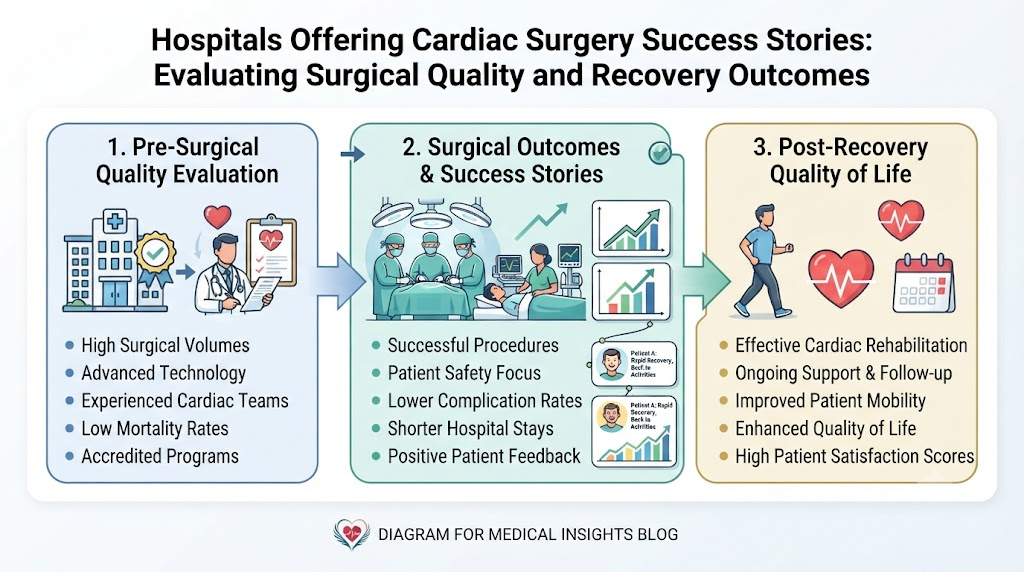
Introduction
Cardiovascular medicine and cardiothoracic surgery have made extraordinary leaps over the last several decades. Procedures that were once considered experimental or exceptionally high-risk are now routine operations with well-documented safety profiles. This progress is due to refined surgical techniques, sophisticated intraoperative imaging, improved anesthesia protocols, and advanced postoperative critical care. As a result, patients facing complex structural or vascular heart diseases have access to reliable treatments that can extend their lifespan and improve their daily physical capacity.This comprehensive guide breaks down the clinical landscape of modern heart surgery, analyzes the key factors that influence surgical outcomes, and explains how leading institutions measure clinical quality. Navigating these specialized options can be complex, but educational platforms like BestHeartSurgery can help connect patients and families with clear information regarding cardiac procedures, recovery workflows, heart health education, and specialized cardiovascular care resources.
Understanding Cardiac Surgery
Cardiac surgery is a highly specialized field of medicine dedicated to treating structural, vascular, and electrical disorders of the heart and its primary connecting blood vessels. When non-invasive medical management, pharmacological therapies, or less invasive catheter-based interventions can no longer safely manage progressive cardiovascular disease, major surgical intervention becomes the necessary path forward.
[ Progressive Blockage/Structural Damage ] ---> Lifestyle & Medications Inadequate
                                                    |
                                       [ Specialized Cardiac Surgery ]
                                                    |
                                    [ Restored Blood Flow & System Dynamics ]
Surgeons perform operations to address several critical cardiovascular problems, including:
- Clearing blockages in the coronary arteries that restrict blood supply to the heart muscle.
- Repairing or replacing damaged valves that impair regular, unidirectional blood flow.
- Correcting abnormal bulges or tears in the walls of the aorta (aneurysms or dissections).
- Correcting congenital structural abnormalities present from birth.
The primary goals of cardiac surgery are to restore efficient, balanced blood circulation throughout the body, minimize permanent damage to the heart muscle, and prevent life-threatening complications like acute myocardial infarctions or sudden cardiac arrest.
Timely intervention is essential. Delaying recommended surgery allows progressive cardiovascular damage to weaken the heart muscle, which can lead to irreversible heart failure, increased symptom severity, and higher surgical risks when an operation eventually becomes unavoidable.
Common Types of Cardiac Surgery
Modern hospitals utilize a wide variety of specialized surgical procedures, matching each approach to the patient’s unique anatomy and structural diagnosis.
Coronary Artery Bypass Grafting (CABG)
CABG is the most common heart surgery performed globally. It treats severe coronary artery disease by creating new pathways for blood to reach the heart muscle. The surgeon harvests a healthy blood vessel—typically from the chest wall, arm, or leg—and attaches it above and below the blocked artery. This reroutes oxygen-rich blood around the obstruction, effectively reducing chest pain and lowering the risk of future heart attacks.
Valve Repair and Replacement
The heart features four vital valves that control the direction of blood flow. When these structures become narrowed or leak, surgery is required:
- Valve Repair: The preferred clinical path when structurally possible, as it preserves the patient’s natural tissue and maintains normal heart geometry while reshaping or reinforcing the damaged valve.
- Valve Replacement: Used when a valve is too severely damaged or calcified to repair. The surgeon replaces the damaged structure with either a long-lasting mechanical valve or a biological valve crafted from animal tissues.
[ Valve Stenosis / Narrowing ] ---> Impaired Blood Flow ---> Muscle Fatigue
                                       |
                     [ Valve Replacement Operation ]
                                       |
[ Biological / Mechanical Implant ] -> Restored Flow Efficiency -> Regained Stamina
Advanced and Minimally Invasive Approaches
- Aortic Surgery: Specialized procedures to repair or replace portions of the aorta that have developed dangerous bulges (aneurysms) or internal tears (dissections), protecting the body’s primary blood vessel from rupturing.
- Congenital Heart Surgery: Intricate operations to correct structural defects in the heart’s chambers, valves, or primary vessels that have been present since birth.
- Minimally Invasive Cardiac Surgery: Specialized techniques that allow surgeons to operate through small incisions between the ribs rather than dividing the breastbone entirely. This approach reduces physical trauma, limits blood loss, and helps speed up recovery for eligible patients.
Cardiac Surgery Procedures Comparison Table
| Procedure | Primary Clinical Purpose | Common Indications | Surgical Access |
| CABG | Reroutes blood around blocked coronary arteries | Severe multi-vessel disease; left main coronary artery narrowing | Traditional open sternotomy or minimally invasive options |
| Valve Repair | Restores proper function while preserving natural valve tissue | Mitral or tricuspid valve regurgitation and leakage | Sternotomy, port-access, or robotic-assisted entries |
| Valve Replacement | Replaces a severely damaged or calcified valve with an implant | Advanced aortic valve stenosis; structural valve failure | Traditional open-chest surgery or specialized transcatheter methods |
| Aortic Surgery | Repairs structural walls of the body’s primary blood vessel | Aortic root or ascending thoracic aneurysms and acute dissections | Complex open vascular reconstruction or endovascular stenting |
| Minimally Invasive Surgery | Treats structural problems through smaller incisions | Selected single-valve repairs; isolated coronary bypass grafts | Small incisions between the ribs, leaving the sternum intact |
What Contributes to Successful Cardiac Surgery?
Positive outcomes in cardiothoracic surgery are not the result of chance. They stem from a well-coordinated system of clinical excellence, modern technology, and active patient collaboration throughout every stage of care.
- Early, Accurate Diagnostics: Utilizing advanced imaging to map a patient’s cardiovascular anatomy precisely, allowing the care team to design a targeted surgical plan before muscle damage occurs.
- Experienced Surgical Leadership: Having the procedure performed by a board-certified cardiothoracic surgeon who possesses extensive experience with your specific diagnosis and regularly manages complex cases.
- Advanced Operating Suites: Working within a sterile, fully equipped operating room that features modern life-support systems, advanced monitoring tools, and real-time imaging capabilities.
- The Multidisciplinary Heart Team: Reviewing the case collectively with cardiologists, surgeons, anesthesiologists, and critical care specialists to choose the safest, most effective surgical approach.
- Specialized Intensive Care Units (ICUs): Transitioning the patient into a dedicated Cardiac ICU staffed by intensive-care specialists and nurses trained to manage post-operative recovery continuously.
- Personalized Care Maps: Designing a recovery and medication plan tailored to the patient’s specific health profile, managing concurrent conditions safely to minimize complications.
- Active Patient Participation: Committing to post-operative recovery guidelines, participating consistently in cardiac rehabilitation, and following lifestyle recommendations closely at home.
[ Pre-Op Design ] -> [ Precision Surgery ] -> [ Cardiac ICU Care ] -> [ Rehabilitation ]
   Diagnostics          Expert Surgeons          Dedicated Team           Active Patient
   & Heart Team         & Modern Suite           & Monitoring             Participation
Understanding Cardiac Surgery Success Stories
When researching hospitals, patients and families often review recovery summaries or patient journals, which are commonly described as “success stories.” It is essential to understand what these narratives truly represent from a clinical and ethical perspective.
Clinical Metrics vs. Personal Experiences
In medicine, true surgical success is measured using objective, verified data. Leading hospitals track metrics such as 30-day survival rates, post-operative complication frequencies, readmission rates, and long-term survival statistics. These clinical figures allow hospitals to benchmark their performance against national quality registries and continuously refine their safety protocols.
Conversely, patient stories focus on the personal side of recovery—such as regaining the physical strength to walk through a local park, returning to a favorite hobby, or experiencing relief from chronic chest pain. While these stories offer helpful context, they reflect individual journeys and should always be viewed alongside objective clinical data.
[ Quality Benchmarking ]
Objective Metrics   ---> 30-day survival, complication rates, infection controls
Personal Milestones ---> Regaining physical endurance, returning to hobbies, pain relief
The Ethics of Sharing Patient Data
Reputable healthcare facilities handle patient data with great care and transparency. They avoid making unrealistic promises or using exaggerated marketing language that implies a specific result is guaranteed for everyone.
A responsible hospital uses case studies educationally to illustrate the recovery process, highlight the value of rehabilitation, and show the importance of post-operative compliance. They also emphasize that individual results always vary based on specific medical realities.
Factors That Influence Surgical Outcomes
Every patient enters the hospital with a unique medical history and physiological profile. Understanding the factors that influence surgical outcomes helps care teams manage risks effectively and helps patients build realistic recovery goals.
- Chronological and Physiological Age: While age alone does not prevent a patient from undergoing surgery, older adults may require specialized support to manage more fragile vascular structures or a naturally slower tissue-healing timeline.
- Baseline Cardiovascular Performance: The pre-existing strength of the heart muscle—specifically measured by the left ventricular ejection fraction—directly affects how well the heart recovers after surgery.
- Management of Diabetes: Elevated blood sugar levels can impair wound healing and increase the risk of deep incision infections, requiring meticulous glucose control before, during, and after the operation.
- Baseline Kidney Function: Pre-existing renal insufficiency can increase fluid management risks during and after surgery, requiring close collaboration with nephrology specialists to protect kidney health.
- History of Tobacco Use: Smoking damages the inner lining of blood vessels, compromises respiratory performance, and slows tissue repair, making smoking cessation an essential step for reducing post-operative complications.
- Adherence to Postoperative Guidelines: Following instructions regarding incision care, respiratory exercises using a spirometer, and activity limits directly influences early healing and prevents complications.
- Participation in Cardiac Rehabilitation: Engaging consistently in a structured, supervised physical rehab program is a primary driver of long-term cardiovascular endurance and functional recovery.
Factors Influencing Recovery Table
| Influencing Factor | Potential Impact on Clinical Recovery | Practical Preemptive Management |
| Early Diagnosis | Minimizes pre-operative muscle stress, supporting a more stable baseline | Attending routine checkups and scheduling diagnostic reviews promptly |
| Experienced Surgical Team | Lowers procedural risks through refined technique and efficient operative timing | Choosing accredited centers with high volumes of your specific procedure |
| Concurrent Health Status | Unmanaged chronic diseases can slow healing and increase complication risks | Working with specialists to stabilize blood sugar, blood pressure, and renal function |
| Cardiac Rehabilitation | Rebuilds cardiovascular endurance safely under professional medical supervision | Enrolling in a structured outpatient rehab program immediately after discharge |
| Long-Term Lifestyle Habits | Helps slow the progression of underlying vascular diseases to protect your results | Adopting a nutrient-dense diet, exercising regularly, and avoiding tobacco |
Modern Technologies Improving Cardiac Surgery
The safety and precision of modern cardiothoracic operations are continuously supported by technological innovations that enhance surgical visualization, minimize physical trauma, and streamline patient tracking.
Advanced Diagnostics and Robotic Assistance
Before a surgeon makes an incision, advanced cardiac imaging technologies—such as high-resolution multi-slice CT scans, detailed 3D echocardiography, and cardiac MRI—create an accurate three-dimensional map of the patient’s vascular layout. This allows the surgical team to review the target area from multiple angles and pre-plan exact graft sites or repair zones before entering the operating suite.
During the procedure, robotic-assisted surgical platforms provide high-magnification, three-dimensional views and allow instruments to move with exceptional precision through microscopic incisions, helping minimize physical trauma to surrounding tissues.
[ Pre-Op 3D Scan Mapping ] ---> Detailed Structural Visualization
                                    |
[ Hybrid Surgical Execution ] -> Combined Catheter & Open Reconstruction
                                    |
[ Real-Time Waveform Monitor ] -> Continuous Verification of Grafts and Flow
Hybrid Suites and Enhanced Recovery Systems
Leading institutions utilize Hybrid Operating Rooms, which integrate the sterile layout of a traditional surgical theater with the advanced imaging systems of a catheterization lab. This allows cardiothoracic surgeons and interventional cardiologists to work side-by-side, performing combined open and catheter-based procedures simultaneously to address complex structural issues in a single setting.
Throughout the operation, intraoperative transit-time flow monitoring (TTFM) allows the team to check blood flow through new grafts instantly, confirming the success of the reconstruction before closing the incision.
Finally, hospitals utilize Enhanced Recovery After Surgery (ERAS) protocols—specialized, evidence-based care systems that optimize fluid balance, utilize targeted pain management, and encourage early mobility to help reduce complications and support a smoother recovery.
Recovery After Cardiac Surgery
Recovering from major heart surgery is a gradual process that unfolds in distinct phases, shifting from intensive hospital monitoring to self-care and long-term health management at home.
Inpatient Monitoring and Early Recovery
Immediately following surgery, patients are monitored closely in the Cardiac ICU, where specialized teams track hemodynamic stability, respiratory function, and fluid balance continuously.
As the body begins to heal, patients transition to a standard cardiac ward, where the focus turns to early physical recovery:
- Managing pain effectively to allow for deep breathing and regular coughing, which keeps the lungs clear.
- Practicing respiratory exercises with an incentive spirometer to maintain lung volume.
- Bathing and care for incisions according to precise hygiene protocols to prevent infection.
- Engaging in light physical movement, such as short walks down the hallway, to support healthy circulation and lower the risk of blood clots.
The Path to Long-Term Health at Home
Upon returning home, patients must adjust their daily routines to protect their healing body. For the first 6 to 8 weeks, avoiding heavy lifting and steering clear of strenuous upper-body movements is essential for allowing the breastbone to fuse securely.
                  [ HOME RECOVERY CORE PILLARS ]
  =============================================================
   Incision Vigilance | Medication Sync | Safe Physical Return
  =============================================================
   Keep wounds clean   | Take all blood   | Participate in
   and dry; check daily| thinners and core| structured cardiac
   for redness or fluid| therapies exactly| rehabilitation; avoid
   changes             | as prescribed    | heavy lifting early
  =============================================================
Long-term wellness depends heavily on consistent medication adherence—including taking blood thinners, blood pressure therapies, and cholesterol management drugs exactly as directed—alongside adopting a heart-healthy diet, staying hydrated, and attending all scheduled follow-up visits with your care team.
Choosing the Right Cardiac Surgery Hospital
Selecting a medical institution for a major cardiovascular operation is a pivotal decision that requires a thorough evaluation of a hospital’s specialized resources, care teams, and quality standards.
Verify Specialist Credentials and Program Volumes
The foundation of a reliable cardiac program is the expertise of its clinicians. Verify that the center is led by board-certified cardiothoracic surgeons who have completed advanced training and possess substantial experience handling your specific diagnosis.
When evaluating facilities, look into their annual procedural volumes. High-volume centers often achieve better patient outcomes and lower complication rates because their entire staff—from surgeons to ICU nurses—follows well-established, highly repeatable care pathways daily.
Check Clinical Accreditations and Support Systems
Ensure the hospital’s surgical suites and intensive care units hold active accreditations from recognized healthcare quality organizations, proving compliance with strict patient safety and infection control standards.
The facility must feature modern infrastructure, including dedicated Cardiac ICUs, around-the-clock emergency cardiovascular services, and an on-site, fully staffed cardiac rehabilitation center to support your care from start to finish.
       [ ACCREDITED CARDIOVASCULAR CENTER ]
 (Certified Surgeons + High-Volume Teams + Modern Care Units)
                       |
       [ COMPREHENSIVE OUTPATIENT RECOVERY ]
  (On-Site Rehabilitation Wards + Dedicated Secondary Prevention)
Prioritize Comprehensive Patient Education
A high-quality institution values clear communication, transparent data, and patient education. During your initial consultations, the care team should provide straightforward, detailed explanations of your surgical options, go over potential risks honestly, outline what to expect during recovery, and provide clear educational materials.
Avoid programs that use high-pressure marketing tactics or minimize the effort required during recovery. A trustworthy medical team focuses on your safety and gives you the information needed to make well-informed decisions.
Hospital Selection Checklist
| System Feature | Core Clinical Significance | Specific Indicators to Look For |
| Experienced Surgeons | Lowers procedural risks through refined technique and efficient operative timing | Board certifications; high annual volumes for your specific procedure |
| Advanced Cardiac ICU | Provides essential, continuous care and monitoring during critical early healing phases | Beds managed 24/7 by dedicated, certified cardiac intensivists |
| Modern Surgical Technology | Enables high-precision work, less invasive options, and intraoperative tracking | Availability of Hybrid ORs, robotic-assisted tools, and real-time flow monitoring |
| Rehabilitation Services | Rebuilds cardiovascular endurance safely and supports long-term recovery | An on-site, fully staffed outpatient cardiac rehabilitation department |
| Multidisciplinary Team | Ensures care decisions are comprehensive and tailored to your whole health | Structured, daily case reviews involving surgeons, cardiologists, and specialists |
Common Myths vs Facts
Myth: Every patient undergoing a specific heart surgery can expect an identical recovery timeline and result.
Fact: Surgical outcomes are highly individualized. While modern operations follow standardized protocols, a patient’s true healing timeline and long-term progress depend on multiple factors, including their age, genetic history, baseline heart performance, and how well they manage concurrent chronic conditions.
Myth: Reviewing a patient recovery narrative guarantees that you will experience the exact same path.
Fact: Patient recovery journals describe individual experiences and serve as educational examples of what is possible with good care and compliance. They do not function as a medical guarantee, as personal results vary based on specific anatomical and medical realities.
Myth: A successful surgical procedure permanently cures coronary artery or structural heart disease.
Fact: Surgery is highly effective at bypassing specific blockages or repairing damaged valves, but it does not stop the underlying process of vascular disease. Protecting your results and preventing future blockages requires a lifelong commitment to heart-healthy eating, regular exercise, and prescribed medication routines.
Myth: Your recovery is entirely complete once you are discharged from the hospital ward.
Fact: Leaving the hospital means your condition is stable, but deep tissue healing and cardiovascular rebuilding take place over the following weeks and months at home. Participating consistently in cardiac rehabilitation and attending follow-up visits are essential steps for ensuring a safe, complete recovery.
Common Mistakes Patients Make
Managing your recovery after heart surgery requires active communication and careful attention to medical instructions. Recognizing and avoiding common pitfalls can significantly reduce your risk of complications and support a more stable recovery.
Delaying Scheduled Surgery Due to Fear or Anxiety
One of the most serious mistakes is postponing a recommended, elective operation because of worry or anxiety about the procedure. Delaying care allows progressive cardiovascular issues to place continuous stress on the heart muscle, which can weaken your baseline heart function and increase surgical risks when the operation eventually becomes an absolute necessity.
Stopping or Altering Prescribed Medications Independently
Some individuals discontinue their post-operative heart therapies or adjust their dosages without consulting their physician, often because they feel stronger or want to avoid a side effect. Stopping core medications like antiplatelets, beta-blockers, or blood thinners abruptly can destabilize your heart rhythm or cause clots to form, putting your health at serious risk.
Skipping Structured Cardiac Rehabilitation Sessions
Assuming that resting at home is a valid replacement for formal cardiac rehabilitation is a common pitfall. Rest is necessary early on, but rebuilding your heart muscle safely requires supervised physical exercise. Skipping rehab can slow your recovery, limit your long-term physical endurance, and make it harder to regain your full strength.
Returning to Strenuous Activities Too Quickly
Some patients attempt to lift heavy objects, drive cars, or return to physically demanding work before their incisions and breastbone have healed securely. Overexerting yourself early can stress healing tissues, disrupt surgical sites, and cause wound separation or widened scars.
Practical Solutions
To support your recovery safely:
- Work closely with a patient educator or counselor before your procedure to address anxieties and build a clear, step-by-step understanding of the surgical process.
- Use automated daily reminders or pill organizers to ensure you take all post-operative medications consistently and exactly as directed.
- Prioritize safety by enrolling in a certified cardiac rehabilitation program immediately after discharge, and always get explicit medical clearance from your surgeon before increasing your physical activity.
Educational Recovery Scenarios
Scenario A: Rebuilding Endurance After Coronary Bypass Surgery
A 54-year-old individual required a four-vessel coronary artery bypass graft (CABG) to address severe, multi-vessel arterial disease that caused chronic chest pain. Following a successful operation, the patient transitioned from the Cardiac ICU to a standard ward within three days, focusing on respiratory exercises with a spirometer and taking short walks down the hallway.
Upon returning home, they adhered strictly to their sternal safety rules, avoiding heavy lifting and letting family members assist with daily tasks. Six weeks later, after their breastbone had fused securely, they enrolled in a structured cardiac rehabilitation program. Under medical supervision, they gradually increased their walking endurance and adopted a nutrient-dense, low-sodium diet, eventually returning to full-time work free from chest pain.
Scenario B: Restoring Cardiovascular Function Following Valve Replacement
A 67-year-old individual with advanced aortic valve stenosis experienced severe shortness of breath during short walks, limiting their daily independence. After a thorough review by the hospital’s multidisciplinary Heart Team, they underwent a successful aortic valve replacement using a biological tissue implant.
[ Pre-Replacement: Advanced Stenosis ] -> Severe breathlessness during simple movements
[ Post-Replacement: Tissue Valve ] ----> Restored blood volume and efficient circulation
[ Long-Term Outcome: Rehab Success ] --> Restored daily independence and active walking
The post-operative team managed their pain closely, allowing the patient to breathe deeply and stand up early. After discharge, the patient followed a precise incision hygiene routine and took their prescribed medications consistently. By participating actively in outpatient cardiac rehabilitation, they safely rebuilt their lower-body strength and cardiovascular endurance, eventually walking long distances comfortably without any shortness of breath.
Scenario C: Fast Recovery via Minimally Invasive Valve Repair
A 43-year-old professional was diagnosed with severe mitral valve regurgitation, which caused chronic fatigue and disrupted their busy work schedule. Because their general health was strong and the valve structure was suitable, their cardiothoracic surgeon performed a minimally invasive valve repair through a small incision between the ribs, leaving the breastbone completely intact.
Because the structural trauma was limited, the patient experienced lower post-operative discomfort and a shorter hospital stay. They returned home within four days and followed a gradual, safe recovery plan, focusing on light daily walking and balanced nutrition. They avoided strenuous lifting for several weeks to let deep tissues heal properly, and through consistent virtual follow-ups and light rehabilitation, they returned to their professional routine quickly with excellent heart function.
FAQs (15 Questions)
1.What is cardiac surgery?
Cardiac surgery includes a range of specialized operations performed by cardiothoracic surgeons to treat structural, vascular, and electrical disorders of the heart and its primary connecting blood vessels when other medical therapies are no longer sufficient.
2.Which common medical conditions require heart surgery?
Surgery is commonly utilized to treat severe coronary artery disease, narrowed or leaking heart valves, aortic aneurysms or dissections, congenital heart defects, and advanced heart failure requiring mechanical support.
3.What core factors affect the success of a cardiac procedure?
Surgical outcomes are influenced by a combination of early diagnosis, the surgeon’s specialized expertise, the hospital’s infrastructure, the coordination of the multidisciplinary team, the management of concurrent health conditions, and the patient’s dedication to recovery and rehabilitation.
4.How long does the recovery process typically take after surgery?
Early hospital recovery usually takes 4 to 7 days. At home, the initial healing phase lasts 6 to 8 weeks to allow incisions and the breastbone to fuse securely. Full functional recovery and rebuilding endurance can take several months.
5.What is cardiac rehabilitation and why is it recommended?
Cardiac rehabilitation is a medically supervised outpatient program that combines personalized physical exercise, lifestyle education, stress management, and nutritional counseling to help patients rebuild their cardiovascular health safely after surgery.
6.Is minimally invasive heart surgery a suitable option for every patient?
No. Eligibility for minimally invasive techniques depends on your specific structural diagnosis, your unique vascular anatomy, your overall health status, and the specialized experience of your surgical team. Your surgeon can determine if this path is safe for you.
7.How do hospitals evaluate and measure surgical quality?
Reputable centers track objective, verified data points, including 30-day survival rates, post-operative infection controls, complication frequencies, readmission rates, and long-term survival statistics, comparing them against national quality benchmarks.
8.How should I prepare my body and mind before undergoing surgery?
Preparation includes completing all pre-operative medical testing, stabilizing concurrent conditions like blood sugar, stopping smoking for several weeks as directed, discussing anxieties with your care team, and arranging for home support during your early recovery.
9.What lifestyle modifications are required after a heart operation?
Long-term wellness requires a lifelong commitment to a heart-healthy, nutrient-dense diet, engaging in regular, doctor-approved exercise, managing stress effectively, avoiding all tobacco products, and maintaining your prescribed medication schedules.
10.How do I identify a hospital with an experienced cardiac surgery program?
Look for accredited medical centers with high annual procedural volumes for your specific diagnosis, staffed by board-certified cardiothoracic surgeons, featuring dedicated Cardiac ICUs, and offering an on-site cardiac rehabilitation department.
11.What are the standard risks associated with major cardiac surgery?
Potential surgical risks include localized bleeding, wound infections, abnormal heart rhythms (such as temporary atrial fibrillation), kidney strain, adverse reactions to anesthesia, or respiratory challenges like fluid accumulation in the lungs.
12.Can patients return to their normal daily activities and work after recovering?
Yes, the vast majority of patients return to their normal professional routines, hobbies, and social activities once their care team confirms that their tissues have healed completely and their cardiovascular endurance has recovered safely.
13.Why are long-term follow-up visits with your cardiologist important?
Regular follow-up appointments allow your doctor to track your healing progress, monitor the performance of your heart valve or grafts, check lab work, adjust medication dosages safely, and identify any subtle cardiovascular changes early.
14.What key questions should I ask my surgical team before the procedure?
Consider asking: What specific surgical approach do you recommend for my diagnosis and why? What are your personal and the hospital’s success and complication rates for this procedure? What will my recovery timeline look like, and when should I start cardiac rehab?
15.What symptoms require immediate medical attention after returning home?
Seek urgent emergency care if you experience sudden chest pain or shortness of breath, a rapid or erratic heartbeat, a sudden fever, increased drainage, swelling, or redness around your incisions, severe leg swelling, or sudden dizziness and fainting.
Final Thoughts
The continuous evolution of cardiovascular surgery has provided highly effective, advanced solutions for individuals facing complex and serious heart conditions. Procedures like coronary artery bypass grafting, valve repairs, and less invasive structural operations allow medical teams to restore efficient circulation, relieve debilitating symptoms, and protect heart muscle function reliably. When performed within accredited hospital networks that combine high-tech infrastructure with specialized teams, these interventions provide a strong foundation for active, independent living.However, a successful physical operation is only the initial milestone on the path to long-term wellness. Achieving lasting health and protecting your surgical results depends on a dedicated partnership between the patient, their family, and their healthcare providers. This continuous journey requires a commitment to meticulous incision hygiene, taking all post-operative medications consistently, and participating fully in structured cardiac rehabilitation to rebuild your physical strength safely.