Introduction
Receiving a diagnosis that your child has a heart condition is an overwhelming moment for any parent. The world seems to stop, and your mind immediately fills with questions about the future, the surgery, and your child’s well-being. Please know that you are not alone, and modern pediatric cardiac care has made incredible strides, offering hope and successful outcomes for children who have complex heart defects.
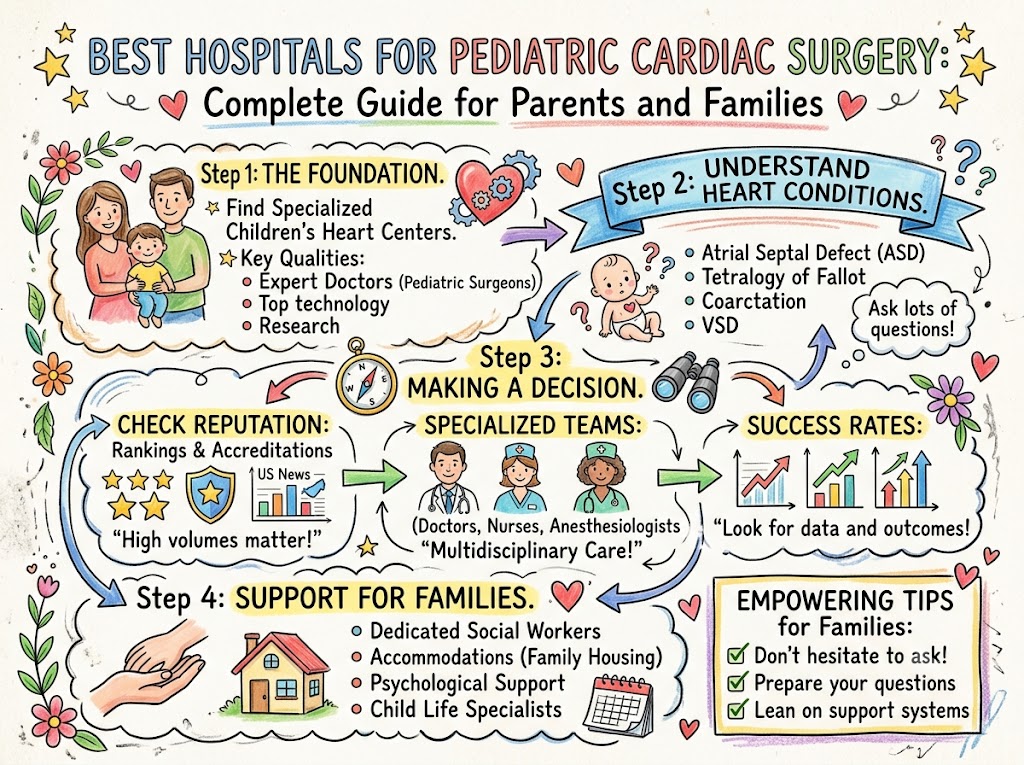
Specialized pediatric cardiac surgery can be the turning point that gives your child the chance to grow, play, and thrive. Because a child’s heart is different from an adult’s—smaller, still developing, and subject to unique congenital conditions—it is essential that they receive care from specialized experts. Choosing the right hospital is the most vital step in this journey, as it ensures your child has access to the best technology, the most experienced surgeons, and a support system designed specifically for families.
In this guide, we will walk you through what to look for in a top-tier pediatric cardiac hospital, how to prepare for your child’s surgery, and how to navigate the recovery process with confidence. If you are beginning your search for the best care for your little one, you can find expert guidance and resources at BestHeartSurgery to connect with specialized facilities and heart health professionals. Let’s explore how you can ensure your child receives the world-class care they deserve.
Quick Answer
The best hospitals for pediatric cardiac surgery are centers of excellence that feature dedicated pediatric cardiac surgical teams, neonatal intensive care units (NICUs), and advanced imaging technology. These hospitals prioritize a multidisciplinary approach, where cardiologists, surgeons, anesthesiologists, and child-life specialists work together to provide comprehensive care. Choosing a specialized pediatric cardiac hospital ensures that your child is treated by experts who understand the unique anatomy of developing hearts, leading to safer procedures, faster recovery times, and superior long-term health outcomes for congenital heart conditions.
Understanding Pediatric Cardiac Surgery
What Is Pediatric Cardiac Surgery?
Pediatric cardiac surgery is a sub-specialty of surgery focused on repairing structural defects in the heart and blood vessels of infants, children, and adolescents. Unlike adult cardiac surgery, which often deals with acquired issues like blockages, pediatric cardiac surgery primarily treats conditions children are born with.
Why Children Need Specialized Cardiac Care
A child’s heart is not just a “small adult heart.” It has unique developmental requirements and anatomical complexities. Pediatric cardiac specialists are trained to handle the specific needs of growing bodies, from tiny premature infants to developing teenagers.
Difference Between Pediatric and Adult Cardiac Surgery
Adult cardiac surgery often focuses on lifestyle-related issues. In contrast, pediatric cardiac surgery deals with complex, often multifaceted congenital defects. The physiology of a child—how they react to anesthesia, how they heal, and how they grow—requires a distinct medical approach.
Importance of Early Diagnosis and Treatment
Many congenital heart defects are best treated early in a child’s life to prevent damage to the heart muscle or lungs. Early intervention leads to better long-term development and significantly improved quality of life.
Role of Pediatric Cardiac Specialists
These experts include surgeons, cardiologists, cardiac intensivists, and perfusionists. They form a cohesive team dedicated to your child’s specific anatomy, ensuring that every detail is managed throughout the surgical process.
Common Heart Conditions Treated in Children
Congenital Heart Defects
These are abnormalities present at birth. They can involve the walls of the heart, the valves, or the arteries and veins that carry blood to the heart and the body.
Atrial Septal Defect (ASD)
An ASD is a hole in the wall (septum) that separates the two upper chambers of the heart. This can cause extra blood to flow to the lungs, putting strain on the heart.
Ventricular Septal Defect (VSD)
A VSD is a hole in the wall separating the two lower chambers of the heart. Depending on the size of the hole, it may require surgical closure to prevent long-term pressure issues.
Tetralogy of Fallot
This is a complex condition consisting of four related defects that typically require surgery early in infancy to correct blood flow and ensure the heart functions properly.
Patent Ductus Arteriosus (PDA)
The ductus arteriosus is a blood vessel that naturally closes after birth. If it remains open (patent), it can cause breathing difficulties and must be closed to normalize blood flow.
Coarctation of the Aorta
This involves a narrowing of the main artery that carries blood from the heart to the body. Surgery or interventional procedures are used to widen the vessel and restore proper circulation.
Complex Congenital Heart Disorders
Some children are born with combinations of defects that require multiple surgeries or staged reconstructions. These conditions are handled by top-tier hospitals with the most experienced surgical teams.
Why Specialized Pediatric Cardiac Hospitals Matter
Dedicated Pediatric Cardiac Surgeons
These surgeons spend their entire careers focusing on the hearts of children. Their experience with small anatomical structures is the most critical factor in successful surgeries.
Child-Focused Intensive Care Units
A Pediatric Cardiac ICU (PCICU) is staffed by nurses and doctors trained specifically to monitor children after heart surgery, recognizing the subtle signs that a child’s recovery is on track.
Pediatric Cardiology Teams
The surgery is only one part of the journey. A full team of cardiologists monitors your child before and after the procedure, ensuring their heart health is optimized at every stage.
Advanced Surgical Technology
Pediatric heart centers utilize specialized tools, such as smaller bypass machines and specialized surgical microscopes, designed specifically for the delicate tissues of a child’s heart.
Family-Centered Care Programs
The best hospitals recognize that the entire family is undergoing the procedure. They provide psychological support, parent education, and spaces for families to stay near their children.
Long-Term Follow-Up Services
Congenital heart conditions often require lifelong management. Top hospitals provide transition programs that support your child from infancy all the way through adulthood.
What Makes a Pediatric Cardiac Hospital the Best?
Experienced Surgical Teams
The hallmark of a top center is a high volume of cases, which is directly linked to better outcomes. Look for teams with consistent, long-term staff.
Advanced Diagnostic Facilities
Access to the latest 3D imaging, fetal echocardiograms, and cardiac MRI ensures that your child’s diagnosis is 100% accurate before surgery begins.
Pediatric Cardiac Catheterization Labs
Many heart conditions can be treated or diagnosed through minimally invasive catheterization. The best hospitals have labs dedicated to this specialized work.
Neonatal and Infant Cardiac Care
Care for newborns requires a unique skill set. The ability of the hospital to handle complex cases in tiny infants is a strong indicator of its expertise.
Multidisciplinary Treatment Approach
Success is not just about the surgeon; it is about the collaboration between surgeons, radiologists, anesthesiologists, and neurologists.
Rehabilitation and Recovery Support
Physical therapy, nutritional support, and speech therapy are often part of the recovery process in high-quality pediatric cardiac programs.
Comparison Table: General Cardiac Hospital vs Pediatric Cardiac Specialty Hospital
| Feature | General Cardiac Hospital | Pediatric Cardiac Specialty Hospital |
| Primary Patient Base | Adults | Infants, Children, Adolescents |
| Surgical Expertise | General heart/valve issues | Complex congenital defects |
| ICU Environment | Adult standard | Specialized Pediatric Cardiac ICU (PCICU) |
| Technology | Standard adult tools | Minimized/specialized pediatric tools |
| Support Staff | Adult-focused | Child-life specialists/pediatric teams |
| Follow-Up | Standard monitoring | Specialized developmental monitoring |
Comparison Table: Common Pediatric Heart Conditions and Surgical Treatments
| Heart Condition | Primary Surgical/Interventional Treatment |
| Atrial Septal Defect (ASD) | Surgical patch or catheter-based device closure |
| Ventricular Septal Defect (VSD) | Surgical patch closure |
| Tetralogy of Fallot | Surgical reconstruction of heart/vessels |
| Patent Ductus Arteriosus (PDA) | Surgical ligation or device closure |
| Coarctation of the Aorta | Surgical repair or balloon angioplasty |
| Complex Defects | Staged reconstructions or heart transplants |
Advanced Technologies Used in Pediatric Cardiac Surgery
3D Cardiac Imaging
This technology allows surgeons to visualize the heart in three dimensions before they ever make an incision, significantly improving surgical planning.
Fetal Echocardiography
This allows specialists to diagnose heart defects before birth, enabling them to plan the delivery and immediate surgical care for the baby.
Pediatric Cardiac Catheterization
A minimally invasive approach where thin tubes are guided through blood vessels to fix certain defects without the need for open-heart surgery.
Minimally Invasive Surgical Techniques
Modern techniques involve smaller incisions, which can lead to less pain, reduced scarring, and faster recovery times for the child.
AI-Assisted Diagnostic Support
AI algorithms are increasingly used to analyze heart function and predict potential issues based on vast databases of clinical outcomes.
Advanced Monitoring Systems
Modern ICUs use continuous monitoring of oxygen levels, blood pressure, and electrical activity to ensure immediate intervention if any vital signs deviate.
Signs a Child May Need Cardiac Evaluation
Heart Murmurs
Many murmurs are harmless, but some require a specialist to rule out structural defects.
Rapid Breathing
If a baby breathes faster than normal while at rest or during feeding, it may be a sign the heart is working too hard.
Poor Feeding in Infants
Babies who tire easily, sweat while feeding, or take very small amounts of breastmilk/formula may have a heart issue.
Fatigue During Physical Activity
If a school-aged child avoids running or playing, or complains of extreme exhaustion, it warrants a check-up.
Blue-Tinted Skin (Cyanosis)
Any bluish tint around the lips, tongue, or fingertips is a serious indicator that the blood is not being oxygenated correctly.
Delayed Growth and Development
Failure to thrive or meet physical milestones can be a systemic symptom of a heart that is not pumping blood efficiently.
The Pediatric Cardiac Surgery Journey
Initial Consultation
You will meet with a pediatric cardiologist who will perform a physical exam and order necessary tests like an EKG or echocardiogram.
Diagnostic Testing
Comprehensive imaging confirms the exact nature of the defect. This is the stage where the team builds your child’s surgical blueprint.
Surgical Planning
The surgical team meets to discuss the best approach. They will walk you through the options, risks, and expected outcomes.
Family Education and Counseling
The hospital provides resources to help parents prepare. This includes tours of the ICU and meetings with the surgical team.
Preparing for Surgery
Your child will have blood work and physical pre-screening. The hospital team will provide instructions regarding fasting and medications.
Hospital Admission Process
You will be welcomed into the pediatric wing. Child-life specialists will help your child feel comfortable and safe in the hospital environment.
What Happens During Pediatric Cardiac Surgery?
Pre-Surgical Preparation
The surgical team ensures your child is stable and calm. Anesthesiologists use specific protocols tailored for children to ensure safety.
Anesthesia and Monitoring
Your child is placed under general anesthesia. Throughout the procedure, their heart, brain, and organ function are monitored by multiple specialists.
Surgical Procedure Overview
The surgeon performs the necessary repairs, often using a heart-lung bypass machine that takes over the work of the heart during the procedure.
Immediate Post-Surgical Care
After the surgery, your child is carefully transported to the PCICU, where the team begins the crucial process of stabilizing them.
Pediatric Intensive Care Monitoring
This is where the team monitors heart rhythm, fluid balance, and recovery. Nurses provide around-the-clock specialized care.
Family Communication During Recovery
Top hospitals keep parents updated constantly. You will be given regular reports on your child’s status and progress.
Recovery After Pediatric Cardiac Surgery
Hospital Recovery Period
The length of stay depends on the complexity of the procedure. During this time, the focus is on weaning the child off support machines.
Pain Management
Pediatric specialists use age-appropriate pain relief, ensuring your child is comfortable throughout the healing process.
Nutrition and Feeding Support
Good nutrition is essential for healing. Lactation consultants and dietitians work with families to ensure the child gets the energy they need.
Physical Activity Recommendations
Your surgeon will provide specific guidelines on what your child can and cannot do during the first few weeks at home.
Emotional and Psychological Support
Child-life experts help children cope with the hospital stay, offering play therapy and support to reduce anxiety.
Long-Term Follow-Up Care
Regular check-ups ensure that the repair remains effective as your child grows and that their heart continues to function optimally.
Risks and Potential Complications
Infection
Hospitals have strict sterile environments, and antibiotics are used as a precaution to minimize the risk of infection.
Bleeding
Surgeons are meticulous in their technique to prevent excessive bleeding, and blood products are readily available if needed.
Heart Rhythm Abnormalities
Sometimes the heart’s electrical system needs time to recover post-surgery. Cardiologists manage this with medications or temporary pacing if necessary.
Surgical Complications
Every surgery carries risks. However, specialized pediatric cardiac centers have the highest rates of success and the fastest responses to complications.
Recovery Challenges
Each child recovers differently. Some may be irritable, and others may experience minor setbacks, which the care team is fully prepared to manage.
How Specialized Hospitals Improve Safety
The combination of high-volume practice, sophisticated monitoring, and constant research keeps these centers at the forefront of surgical safety.
How to Choose the Right Pediatric Cardiac Hospital
Surgeon Experience
Ask how many times the surgeon has performed this specific repair. Experience matters tremendously in pediatric heart outcomes.
Pediatric Cardiology Expertise
Ensure the center has 24/7 access to pediatric cardiologists who can manage the non-surgical aspects of your child’s care.
Availability of Advanced Technology
Confirm that the hospital has the imaging and surgical equipment discussed in this guide.
Family Support Services
Look for hospitals with family housing, mental health support, and programs that keep siblings involved.
Emergency Care Capabilities
In an emergency, you need a hospital that can handle any complication, from neurological to renal, without transferring your child.
Questions Parents Should Ask
- “How many of these procedures does your team perform annually?”
- “What is your success rate for this specific defect?”
- “Will my child be cared for in a dedicated pediatric cardiac ICU?”
- “What support services do you offer for my family?”
Cost and Financial Considerations
Diagnostic Testing Costs
These tests are often covered by insurance, but it is important to verify your plan’s coverage for pediatric cardiac specialty services.
Surgical Expenses
Surgical costs vary based on the procedure’s complexity. Your hospital’s financial counseling team can provide detailed estimates.
Intensive Care Costs
The PCICU stay is a significant portion of the cost. Check with your insurance provider about your plan’s ICU coverage.
Follow-Up Treatment Costs
Plan for the reality of long-term check-ups, medications, and potential additional procedures as your child grows.
Insurance and Financial Planning
Many children qualify for government-funded healthcare programs or hospital-based financial assistance if insurance is insufficient.
Support Resources for Families
Hospital social workers are trained to help families navigate insurance claims and find charitable grants that cover costs.
Life After Pediatric Cardiac Surgery
Monitoring Heart Health
Your child will need regular check-ups to ensure the repair is working as they grow. This is just a normal part of their routine.
School and Daily Activities
Most children return to a normal school life and activities within a few months. Work closely with your cardiologist to set safe limits.
Sports Participation
Depending on the defect, your child may be able to participate in sports. Your cardiologist will advise on what is safe for their heart.
Nutrition and Healthy Habits
A heart-healthy diet is great for all children. Encourage physical activity that aligns with the doctor’s recommendations.
Regular Cardiology Follow-Ups
Do not skip these appointments. Even if your child feels great, these visits are where the team catches potential issues early.
Long-Term Outlook
With modern surgery, most children born with heart defects grow up to lead full, active, and long lives.
Future of Pediatric Cardiac Care
AI in Pediatric Cardiology
AI is beginning to help surgeons simulate surgeries before they occur, leading to even safer and more precise outcomes.
Robotic-Assisted Heart Surgery
This allows for even smaller incisions and greater control, which is the frontier of minimally invasive heart repair.
Advanced Imaging Technologies
New imaging techniques are making it possible to see the heart’s function in real-time, providing better data for surgeons.
Personalized Cardiac Care
Genetic testing is helping doctors understand why heart defects occur and how individual children might respond to certain treatments.
Emerging Innovations in Children’s Heart Health
From bio-engineered heart tissue to advanced valve replacements, the future of pediatric cardiology is brighter than ever.
Key Takeaways
- Choosing a dedicated pediatric cardiac hospital is the best way to ensure successful outcomes.
- Pediatric heart defects are complex and require surgeons with specialized training.
- Early diagnosis and intervention lead to the best long-term developmental outcomes.
- The entire family needs support throughout the surgery and recovery process.
- Pediatric Cardiac ICUs (PCICUs) are essential for monitoring a child’s recovery.
- Minimally invasive options and advanced imaging are transforming pediatric heart care.
- Parents are the most important advocates for their child’s health.
- Most children with repaired heart defects go on to lead normal, active lives.
- Regular cardiology follow-ups are a lifelong necessity for congenital heart health.
- Financial counseling and hospital social work departments are there to help you.
FAQ Section
1.How long does pediatric heart surgery take?
The duration depends on the complexity of the defect. Simple repairs might take a few hours, while complex reconstructions can take 6–10 hours or more.
2.Will my child need a blood transfusion?
Many heart surgeries require blood products to keep the child stable. Hospitals have very safe protocols for blood donation and screening.
3.What is the “child-life” specialist’s role?
Child-life specialists are professionals who help children understand and cope with hospital experiences through age-appropriate play and preparation.
4.Can I stay with my child in the ICU?
Most pediatric cardiac centers encourage parents to be with their child as much as possible, as your presence is vital for their emotional well-being.
5.Does surgery mean my child has to be on medication forever?
Not necessarily. Many children are off heart medication within months. Others may require long-term medication, which your cardiologist will manage.
6.Is open-heart surgery always necessary?
No. Many conditions are now corrected via minimally invasive catheterization or smaller incisions that avoid traditional open-heart approaches.
7.When can my child go back to school?
Most children return to school within 4–8 weeks, depending on their recovery and the type of surgery performed.
8.Will my child have a scar?
Yes, most surgeries involve a scar on the chest. However, surgeons do their best to make incisions as discreet as possible, and these scars often fade significantly.
9.Are there support groups for parents?
Yes, most top pediatric hospitals have parent-to-parent support programs where you can connect with others who have been through the same journey.
10.How often will we need follow-ups?
Initially, you may go frequently (weekly or monthly). As your child stabilizes, these visits often become annual or biannual events.
Conclusion
Navigating a heart condition diagnosis for your child is perhaps the most challenging journey a parent can take. It requires immense strength, patience, and love. However, the field of pediatric cardiac surgery has evolved to the point where even the most complex defects can be managed, providing your child with the opportunity to lead a vibrant, healthy, and full life. By selecting a high-quality, specialized pediatric cardiac hospital, you are ensuring that your child is in the hands of professionals who have dedicated their lives to the delicate task of mending small hearts.
Remember that the excellence of a hospital is measured by more than just its surgical success rates—it is measured by the quality of its support for your family, the compassion of its nurses, and the long-term commitment it makes to your child’s health. You are not just choosing a facility; you are choosing a partner who will walk alongside you throughout your child’s development. Take comfort in knowing that the surgical team, the cardiologists, and the support staff are all united by a singular goal: seeing your child return home, happy and healthy.