Introduction
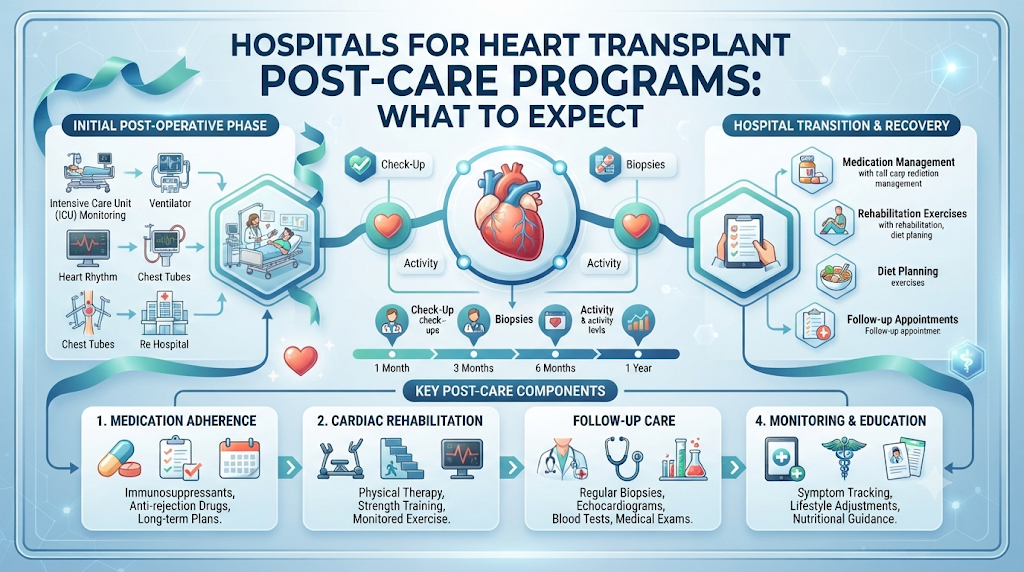
Heart transplant care does not end when a patient leaves the hospital. The new heart needs careful monitoring, regular tests, and ongoing medical support. Patients also need medicines to help prevent rejection and protect their health.
Hospitals for Heart Transplant Post-Care Programs help patients manage these important needs. Their teams monitor heart function, review medicines, check for infections, and guide recovery. They also support patients as they return to daily activities.
Regular contact with the transplant team is important, even when a patient feels well. Some problems may develop without clear warning signs. A planned follow-up program helps doctors find changes and respond when needed.
Patients and families can explore heart surgery and hospital care information through BESTHEARTSURGERY. Understanding aftercare services can also help families compare hospitals and prepare for long-term care.
What Is a Heart Transplant Post-Care Program?
A heart transplant post-care program is the medical support provided after transplant surgery. It helps patients recover and protects the transplanted heart over time.
Care usually continues after hospital discharge. Patients attend clinic visits, have blood tests, and undergo heart checks. Doctors also review medicines and discuss any new symptoms.
A post-care team may include transplant cardiologists, surgeons, nurses, pharmacists, dietitians, and rehabilitation specialists. A transplant coordinator often helps arrange appointments and share important information.
Each patient receives an individual care plan. The schedule depends on recovery, test results, medical history, and the hospital’s approach. Follow-up is a long-term part of transplant care.
Why Post-Transplant Care Is So Important
A transplanted heart comes from another person. The patient’s immune system may recognize it as foreign and try to attack it. This response is called rejection.
Medicines called immunosuppressants lower the immune system’s activity. They help reduce the risk of rejection, but they also make infections more likely. Doctors must balance these risks through careful monitoring.
Regular checks help the team assess heart function and look for possible complications. They can also find medicine side effects, changes in kidney function, and other health concerns.
Patients may feel healthy while a problem is developing. This is why follow-up tests matter even when there are no obvious symptoms. Ongoing care helps doctors make timely decisions and adjust the plan when needed.
Essential Services in a Heart Transplant Post-Care Program
A strong program offers several services that work together. The exact services and testing schedule can differ between transplant centers.
Regular Transplant Clinic Visits
Clinic visits allow doctors to review recovery and general health. They may ask about breathing, energy, appetite, sleep, and daily activities. They also check weight, blood pressure, and other health measures.
Patients should share new symptoms and any difficulty taking medicines. These visits give the team a chance to review test results and update the care plan.
Medication Management
Transplant medicines need careful review. Doctors and pharmacists check doses, timing, side effects, and possible interactions. They may adjust treatment based on blood test results and the patient’s condition.
Patients should keep an up-to-date medicine list. They should also report missed doses or problems following the prescribed routine.
Blood Tests
Blood tests help monitor medicine levels and general health. They may check kidney function, liver function, blood counts, blood sugar, and signs of infection.
Some transplant medicines need regular blood level checks. These results help the team decide whether a dose needs review. The timing of tests depends on the medicine and the patient’s care plan.
Heart Function Tests
An echocardiogram uses sound waves to create pictures of the heart. It helps doctors check how well the transplanted heart pumps blood.
Other checks may include an electrocardiogram (ECG), which records the heart’s electrical activity. The team selects tests based on the patient’s needs and transplant center protocol.
Rejection Monitoring
Doctors use several methods to look for rejection. These may include heart biopsies, blood tests, echocardiograms, and other assessments.
A biopsy involves taking a small sample of heart tissue for examination. It is not needed at the same frequency for every patient. The transplant team decides which checks are suitable.
Infection Prevention
Patients receive advice on hand hygiene, food safety, wound care, and avoiding exposure to illness. The team may also discuss preventive medicines and vaccination planning.
Patients should know which symptoms need a prompt call. Fever, chills, cough, and unusual illness should not be ignored.
Emergency Support
Patients need clear instructions for urgent concerns. A good program explains how to contact the transplant team during and outside normal clinic hours.
Patients should know where to go if serious symptoms occur. Written emergency instructions can help families act quickly.
Table 1: Key Services in a Heart Transplant Post-Care Program
| Post-Care Service | What It Includes | Why It Matters |
|---|---|---|
| Clinic visits | Health reviews, symptom checks, and physical examinations | Helps track recovery and identify changes |
| Medication reviews | Dose checks, side effect reviews, and interaction checks | Supports safe and consistent medicine use |
| Blood tests | Medicine levels, kidney function, blood counts, and other checks | Helps monitor treatment and general health |
| Heart function checks | Echocardiograms, ECGs, and other heart assessments | Shows how well the transplanted heart is working |
| Rejection monitoring | Biopsies, blood tests, and other suitable checks | Helps identify possible rejection |
| Infection prevention | Hygiene advice, infection checks, and preventive care | Helps reduce and detect infection risks |
| Rehabilitation | Supervised exercise and recovery support | Helps rebuild strength and daily activity |
Medication Management After Heart Transplant Surgery
Immunosuppressant medicines help stop the immune system from attacking the donor heart. Patients usually need these medicines for life, although doses may change over time.
Taking medicines exactly as prescribed is essential. Patients should follow the instructions from their transplant team. They should not stop, skip, or change a dose without medical advice.
Some medicines need blood tests to check their levels. The team may also monitor kidney function, blood sugar, blood pressure, and other measures. These checks help identify side effects and guide treatment reviews.
Over-the-counter medicines can interact with transplant medicines. Vitamins, herbal products, and supplements may also cause problems. Patients should ask their transplant doctor or pharmacist before starting anything new.
A medicine chart or reminder system can help patients follow their routine. Caregivers may also help organize supplies and appointments. Any missed dose or medicine-related concern should be reported to the transplant team.
Monitoring for Heart Transplant Rejection
Rejection happens when the immune system attacks the transplanted heart. It can happen even when a patient takes prescribed medicines correctly.
Some patients develop symptoms, but rejection may also have few clear signs. This makes regular medical monitoring important. Patients should not depend on how they feel to judge heart health.
Doctors may use heart biopsies to examine small tissue samples. Blood tests and echocardiograms can provide further information. Some centers may use additional blood-based or imaging tests.
The type and timing of tests depend on the transplant center’s protocol and the patient’s condition. Testing may be more frequent soon after surgery or when a concern appears.
Patients should attend every scheduled monitoring appointment. If they cannot attend, they should contact the transplant team to arrange another plan.
Infection Prevention and Safety at Home
Immunosuppressant medicines lower the body’s ability to fight infections. This helps protect the donor heart from rejection, but it also increases infection risk.
Regular handwashing is a simple and useful safety step. Patients should keep their home and personal items clean. They should also follow the hospital’s instructions for caring for the surgical wound.
Avoiding close contact with people who are unwell may be advised. Patients should follow food safety guidance, wash produce properly, and handle food carefully. Their transplant team can explain any special food precautions.
Vaccines need careful planning after a transplant. Some vaccines may be unsuitable for people taking immunosuppressants. Patients should discuss every vaccine with their transplant team before receiving it.
Fever, chills, cough, or other unusual symptoms should be reported promptly. The transplant team can advise whether an examination or testing is needed.
Cardiac Rehabilitation and Physical Recovery
Cardiac rehabilitation helps patients rebuild strength after surgery. It may include supervised exercise, education, and support with healthy daily habits.
A rehabilitation specialist or physiotherapist can help create a suitable activity plan. Exercise may begin gently and increase as recovery improves. The pace depends on the patient’s condition and medical advice.
Patients should not push themselves to meet another person’s recovery timeline. They should follow instructions about walking, lifting, driving, and returning to work. Any new discomfort or unusual breathlessness during activity should be discussed with the care team.
Rehabilitation can also help patients understand how to manage daily activity safely. It may support confidence as patients return to normal routines.
Nutrition and Lifestyle Support After a Heart Transplant
Balanced meals support recovery and long-term health. Patients may need guidance on fruit, vegetables, protein, whole grains, and suitable fluid intake. Their needs can change because of medicines and other health conditions.
Food hygiene is important for people with a reduced immune response. Patients should prepare food safely, store it at suitable temperatures, and avoid food that their transplant team advises against.
Some transplant medicines can affect blood pressure, blood sugar, cholesterol, or kidney function. Doctors may recommend regular checks of these measures. They may also suggest changes to food choices or daily habits.
Patients may be asked to monitor their weight and blood pressure at home. Tobacco should be avoided. Patients should discuss alcohol with their transplant team before drinking.
Special diets and supplements are not automatically safe after a transplant. Patients should ask their care team before making major diet changes or using new products.
Warning Signs That Need Medical Attention
Patients and caregivers should know which changes need prompt attention. Some symptoms may point to infection, rejection, or another complication.
Contact the transplant team promptly if any warning sign appears. Do not wait for a routine visit when symptoms are new or getting worse. Severe breathing difficulty, loss of consciousness, or another serious emergency requires immediate emergency care.
Table 2: Warning Signs After a Heart Transplant and Recommended Action
| Warning Sign | What Patients Should Do | Why Prompt Attention Matters |
|---|---|---|
| Fever or chills | Contact the transplant team promptly and follow its advice | May indicate infection or another complication |
| Breathing difficulty | Seek urgent medical advice; use emergency care for severe difficulty | May signal a serious heart or lung problem |
| Sudden swelling | Report new swelling in the legs, ankles, or abdomen | May be linked to fluid retention or heart problems |
| Unusual fatigue | Tell the transplant team about new or worsening tiredness | Can be a sign of infection, rejection, or another issue |
| Dizziness | Report repeated dizziness or any fainting urgently | May be related to blood pressure or heart function |
| Persistent vomiting or diarrhea | Contact the team promptly, especially if medicines cannot be kept down | Can affect medicine absorption and fluid balance |
| Wound changes | Report redness, swelling, pain, or discharge around the wound | May indicate a wound infection or healing problem |
How Hospitals Plan Long-Term Heart Transplant Follow-Up
Follow-up visits are often frequent soon after discharge. The team needs to check recovery, review medicines, and monitor the transplanted heart closely.
As the patient’s condition becomes stable, appointments may become less frequent. However, the schedule is not the same for everyone. Test results, complications, medicine needs, and local hospital protocols all matter.
Long-term care may include physical examinations, blood tests, heart scans, and rejection monitoring. Doctors may also check for medicine side effects and other health conditions.
A transplant coordinator can help organize appointments and communicate with different specialists. Patients who live far away should ask whether the hospital can coordinate local tests or shared care.
Follow-up continues throughout the patient’s life. Even when recovery is going well, regular contact with the transplant center remains important.
The Role of Family Members and Caregivers
Family members can provide useful support during recovery. They may help organize medicines, remember appointments, and arrange transport to the hospital.
Caregivers can also learn the patient’s warning signs and emergency contact steps. They may notice changes in breathing, energy, swelling, or daily activity that the patient has not mentioned.
Patients should understand their care plan before leaving the hospital. Caregivers should also know how to support medicine routines and whom to contact with concerns.
Emotional support matters too. Recovery can bring stress, uncertainty, and changes to family routines. Patients may benefit from speaking with a counselor or support professional when needed.
How to Choose a Hospital With a Strong Post-Care Program
A hospital’s support after surgery is an important part of transplant care. Patients should compare the follow-up services, team experience, and communication arrangements.
Look for a dedicated heart transplant follow-up team. Ask whether transplant cardiologists, surgeons, specialist nurses, and coordinators take part in ongoing care.
Check whether the hospital can provide regular blood tests and heart monitoring. Ask how medicine reviews are arranged and whether patients can speak with a transplant pharmacist.
Infection prevention and emergency support also matter. Find out how patients can contact the team after clinic hours and what happens if urgent assessment is needed.
Ask whether cardiac rehabilitation and nutrition support are available. These services can help patients manage recovery and long-term health.
Clear appointment schedules are useful, especially for families travelling from other cities or regions. Ask whether the hospital can help coordinate appointments, test results, and communication with local doctors.
Do not compare hospitals using rankings or promises alone. Focus on the services offered, the care team’s communication, and the long-term follow-up plan.
Frequently Asked Questions
1. Why is post-care important after a heart transplant?
Post-care helps doctors monitor the new heart, check for rejection, and manage medicines. It also helps identify infections and treatment side effects. Regular tests can find some problems before symptoms become clear. Ongoing support helps patients understand their care plan and manage long-term health.
2. Do heart transplant patients need lifelong follow-up?
Yes. Heart transplant patients need lifelong medical follow-up. The number of visits may change as recovery progresses, but monitoring remains important. Doctors continue to review heart function, medicines, and possible complications. Patients should follow the schedule set by their transplant center.
3. Which medicines are needed after heart transplant surgery?
Patients need immunosuppressant medicines to reduce the risk of rejection. They may also receive medicines to prevent infection or manage blood pressure, cholesterol, and other health needs. The medicine plan differs between patients. Every medicine should be taken as prescribed by the transplant team.
4. How do hospitals monitor heart transplant rejection?
Hospitals may use clinic examinations, blood tests, echocardiograms, and heart biopsies. Some centers also use other tests to assess rejection risk. The choice and timing depend on the patient’s condition and the center’s protocol. Regular monitoring is important because rejection may not always cause clear symptoms.
5. How often do patients need follow-up visits?
Visits are usually more frequent soon after surgery. They may become less frequent as the patient’s condition stabilizes. However, there is no single schedule for everyone. Test results, medicine needs, complications, and the hospital’s protocol help determine the timing of appointments.
6. Why are blood tests important after a heart transplant?
Blood tests help doctors check medicine levels and monitor general health. They may assess kidney function, liver function, blood counts, blood sugar, and signs of infection. Results can help the team review medicine doses and identify possible side effects. Patients should attend tests as scheduled.
7. How can patients reduce infection risks after surgery?
Patients can wash their hands regularly, follow wound care instructions, and handle food safely. They may need to avoid close contact with people who are ill. Vaccination plans should be discussed with the transplant team. Any fever, chills, or unusual symptoms should be reported promptly.
8. What is the role of cardiac rehabilitation after a heart transplant?
Cardiac rehabilitation helps patients rebuild strength and improve their ability to carry out daily activities. It may include supervised exercise, education, and guidance from physiotherapists. The program should match the patient’s recovery and medical needs. Patients should increase activity only as advised by their care team.
9. Which warning signs should heart transplant patients report?
Patients should report fever, chills, breathing problems, unusual tiredness, swelling, dizziness, and sudden changes in weight. Persistent vomiting or diarrhea and wound redness or discharge also need attention. Severe breathing difficulty or loss of consciousness requires immediate emergency care.
10. What should patients look for in a heart transplant post-care program?
Look for a dedicated transplant team, regular heart and blood monitoring, medicine counseling, and clear emergency contact arrangements. Rehabilitation, nutrition advice, and caregiver education are also useful. Patients should ask how appointments are organized and whether support is available when they live far from the hospital.
Final Thoughts
Heart transplant care is a lifelong commitment. Surgery is an important step, but regular follow-up helps protect the new heart over time.
Patients need to follow their medicine plan, attend scheduled tests, and stay in contact with their transplant team. Rehabilitation, safe daily habits, and family support can also help with recovery.
When comparing Hospitals for Heart Transplant Post-Care Programs, look beyond the operation itself. Consider the quality of follow-up, specialist access, medicine support, emergency communication, and long-term care planning.
For more information about heart surgery and hospital care, visit BESTHEARTSURGERY.COM. A clear understanding of aftercare can help patients and families make informed choices.