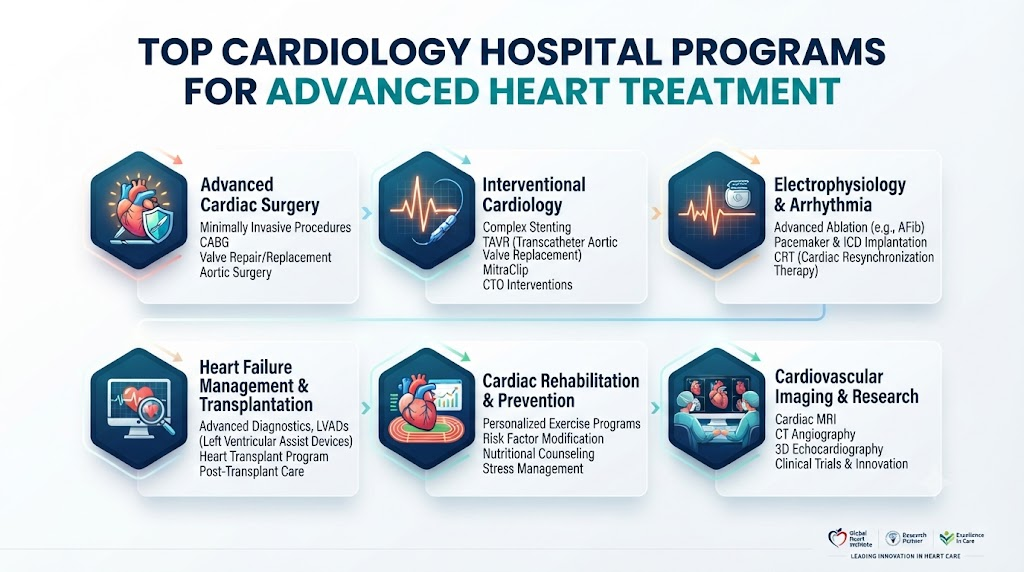
Introduction
Your heart is the engine of your life, and when it comes to cardiovascular health, the quality of your care team can make a profound difference. Heart conditions often require more than just a single physician; they demand the collective expertise of a multidisciplinary team capable of navigating complex diagnoses, interventional procedures, and surgical interventions. Choosing a hospital with a top-tier cardiology team ensures you have access to coordinated, evidence-based care tailored to your specific needs.For those navigating their options, BestHeartSurgery provides essential resources to help you understand what constitutes elite heart care and how to compare the leading institutions in the field. This guide explores the importance of cardiologist teams, the technologies that define modern centers of excellence, and how to make an informed decision for your heart health journey.
Understanding Modern Cardiology Care
Cardiology is the medical specialty dedicated to the health of the heart and the blood vessels. While many people think of cardiology as a single role, it is actually a complex ecosystem involving both non-invasive medical cardiologists and surgical specialists.
The true power of a modern cardiology center lies in its multidisciplinary approach. By bringing together experts from different subspecialties, hospitals can evaluate a patient from multiple perspectives, leading to more accurate diagnoses and personalized treatment pathways. Whether you are dealing with a chronic condition like heart failure or require an emergency procedure, a team-based approach ensures continuity, safety, and better long-term outcomes.
CARDIOLOGY OVERVIEW TABLE
| Aspect | Description |
| Medical Specialty | Cardiology & Cardiovascular Surgery |
| Conditions Treated | CAD, Arrhythmias, Heart Failure, Valve Disease, Congenital Defects |
| Specialists Involved | Cardiologists, Cardiac Surgeons, Electrophysiologists, Imaging Experts |
| Common Procedures | Angioplasty, Stenting, Bypass (CABG), Valve Repair, Ablation |
| Patient Goals | Improved function, symptom relief, and long-term heart health |
Types of Cardiologists in a Cardiac Team
A top-tier hospital employs a diverse team to address the heart’s anatomy, rhythm, and function.
CARDIOLOGY SPECIALISTS TABLE
| Specialist | Primary Role | Common Conditions Treated |
| General Cardiologist | Diagnosis and long-term management | Hypertension, High Cholesterol, Chest Pain |
| Interventional Cardiologist | Minimally invasive procedures (Cath lab) | Coronary Artery Disease, Blockages |
| Electrophysiologist | Managing the heart’s electrical system | Atrial Fibrillation, Arrhythmias |
| Heart Failure Specialist | Managing progressive heart dysfunction | Heart Failure, Cardiomyopathy |
| Cardiac Imaging Specialist | Advanced diagnostics (MRI, CT, Echo) | Structural defects, Complex anatomy |
| Cardiothoracic Surgeon | Surgical interventions | Bypass (CABG), Valve Replacement, Transplants |
Why Specialized Cardiology Teams Matter
- Collaborative Treatment Planning: Complex cases are reviewed by a “Heart Team” to determine the most effective course of action, balancing medical and surgical options.
- Faster Diagnosis: With advanced imaging experts and rapid testing protocols, patients move from symptom onset to diagnosis more quickly.
- Personalized Treatment: Treatments are tailored to the individual’s risk profile, genetic markers, and lifestyle, rather than a one-size-fits-all approach.
- Better Emergency Response: Leading hospitals provide 24/7 coverage, ensuring that critical care is available the moment a cardiac emergency occurs.
- Long-Term Follow-Up: A coordinated team ensures that you are not just treated and released, but monitored for long-term health and disease prevention.
Hospitals with Top Cardiologist Teams
1. The Global Institute for Cardiovascular Excellence
- Overview: A world-renowned facility dedicated exclusively to complex heart and vascular care.
- Cardiology Department: Features a highly integrated team including structural heart specialists and electrophysiologists.
- Why Patients Choose This Hospital: Known for successful outcomes in rare and complex cases, alongside a dedicated international patient support center.
- Major Strengths: Unmatched expertise in robotic-assisted cardiac surgery and high-risk interventional procedures.
2. Metropolitan Cardiac Center
- Overview: A state-of-the-art urban hospital known for its rapid-response heart attack protocols.
- Cardiology Department: Houses advanced “Hybrid Operating Rooms” for simultaneous imaging and surgical intervention.
- Why Patients Choose This Hospital: Renowned for its focus on patient-centered recovery and comprehensive cardiac rehabilitation programs.
- Major Strengths: Advanced 24/7 catheterization lab coverage and leading diagnostic imaging suites.
HOSPITAL COMPARISON TABLE
| Hospital Name | Location | Cardiology Team | Cardiac Surgery | Advanced Diagnostics | Int’l Patient Services |
| Global Institute | Metro | Multidisciplinary | Expert Level | Full Spectrum | Yes |
| Metropolitan Cardiac | Metro | Integrated | Advanced | High-Res | Yes |
Advanced Cardiac Technologies
CARDIAC TECHNOLOGY TABLE
| Technology | Purpose | Patient Benefit |
| Echocardiography | Real-time ultrasound of heart valves/chambers | Non-invasive, safe, and accurate |
| Cardiac MRI | Detailed imaging of heart tissue | Precise diagnosis of muscle/scar tissue |
| CT Angiography | Non-invasive visualization of coronary arteries | Clear view of blockages without surgery |
| Cath Lab | Procedures like stents and angioplasty | Minimally invasive treatment of blockages |
| EP Lab | Mapping the heart’s electrical system | Targeted treatment for arrhythmias |
| Hybrid OR | Combining surgery and imaging in one suite | Increased safety for complex procedures |
Common Heart Conditions Managed
HEART CONDITIONS TABLE
| Heart Condition | Common Symptoms | Treatment Approach |
| CAD | Chest pain, Shortness of breath | Medications, Angioplasty, or Bypass |
| Heart Failure | Fatigue, Swelling, Breathing issues | Medications, Lifestyle, Devices |
| Valve Disease | Heart murmur, Palpitations | Repair or Replacement |
| Arrhythmia | Palpitations, Dizziness | Medications or Ablation |
| Cardiomyopathy | Weakness, Fluid buildup | Specialized medical therapy |
| Hypertension | Often symptomless (“Silent”) | Lifestyle and Medication management |
Future of Cardiology
FUTURE OF CARDIOLOGY TABLE
| Innovation | Potential Benefit |
| AI Diagnostics | Early, automated detection of subtle heart anomalies |
| Wearable Monitoring | Continuous, remote tracking of heart health |
| Remote Cardiac Care | Reduced need for frequent hospital visits |
| Robotic Procedures | Unprecedented precision during surgeries |
| Precision Medicine | Treatment plans based on individual genetic makeup |
Frequently Asked Questions (FAQs)
- What does a cardiologist do? They specialize in diagnosing and treating heart and vessel conditions.
- When should I see a cardiologist? If you have chest pain, palpitations, or persistent fatigue.
- Difference between cardiologist vs. surgeon? Cardiologists manage medical care; surgeons perform invasive procedures.
- What tests are common? ECG, echocardiograms, and stress tests are standard.
- How do heart teams work? They combine experts to review complex cases together.
- Can heart disease be prevented? Yes, through lifestyle, diet, and early management.
- What are signs of a heart problem? Chest tightness, breathlessness, and dizziness.
- How do I choose the best hospital? Look for accreditation and specialized expertise.
- What should I bring to my appointment? Your medical history and medication list.
- How often should I have follow-ups? Based on your specific diagnosis; your doctor will advise.
- Are surgeries painful? Anesthesia ensures you are comfortable during any procedure.
- What is rehabilitation? A program to help you recover your strength post-event.
- Is robotic surgery better? It can allow for smaller incisions and faster recovery.
- How do I manage long-term? Adherence to medication and routine check-ups.
- Does the hospital location matter? For emergencies, proximity is key; for planned surgery, expertise matters most.
Final Thoughts
The path to heart health is a journey, and you don’t have to walk it alone. Choosing a hospital with a robust, multidisciplinary cardiologist team provides you with a safety net of experts who can guide you from early diagnosis through to successful recovery and long-term maintenance.Remember that while advanced technology and expert surgeons are vital, your participation in your own care—through lifestyle choices and routine check-ups—is the foundation of heart health. For more detailed information on heart care, hospital comparisons, and educational resources, explore BestHeartSurgery to take charge of your cardiac well-being today.