Introduction
The global impact of coronary artery disease and severe heart blockages has expanded dramatically, affecting millions of families regardless of geography or background. Modern lifestyles, high stress levels, processed diets, and underlying systemic issues like diabetes have transformed cardiovascular conditions into a primary public health focus. A heart blockage is no longer a condition restricted to old age; it increasingly impacts young professionals and individuals in the prime of their lives. When fatty deposits or plaques constrict the arteries supplying oxygen to the muscle tissue, the heart is forced to work under dangerous levels of strain.
In acute situations, such as an evolving myocardial infarction, timely medical intervention is the defining factor between permanent tissue damage and a full recovery. An angioplasty serves as a critical, time-sensitive medical intervention designed to mechanically open blocked vessels and restore natural, unhindered blood flow. Because every minute of restricted blood flow leads to the loss of functional myocardial cells, the clinical infrastructure available during those initial moments plays a vital role in long-term patient recovery.
The success of these intricate procedures relies heavily on the environment in which they are conducted. Modern interventional cardiology depends on specialized cardiac catheterization labs, high-definition digital imaging arrays, and rapidly mobilized emergency response teams. Attempting complex vascular procedures in basic healthcare clinics that lack specialized diagnostic machinery or continuous critical care support compromises patient safety and long-term treatment durability.
Navigating the complex landscape of cardiac healthcare requires access to clear, validated, and objective information. Specialized patient education platforms like BestHeartSurgery provide an essential service by helping families evaluate accredited medical centers, explore the qualifications of interventional cardiology specialists, and understand the technical differences between various stent systems. This transparent approach empowers patients and caregivers to make informed decisions when managing chronic heart conditions or preparing for scheduled interventions.
Consider a realistic patient scenario: A sixty-year-old individual experiences sudden, crushing substernal chest pain accompanied by sweating on a Sunday evening. If their family rushes them to a general medical clinic lacking a dedicated, twenty-four-hour catheterization lab, the patient may receive basic clot-dissolving medications, but the mechanical blockage remains unaddressed, leading to progressive tissue strain. Conversely, if that same individual arrives at a specialized hospital equipped with a rapid-response cardiac unit, they are transferred directly into a specialized lab within minutes. The interventional team identifies the occluded vessel, performs a precise balloon dilation, secures the artery with a drug-eluting stent, and transfers the stable patient to a dedicated coronary care unit, preserving functional heart tissue. This guide outlines how leading hospitals for angioplasty procedures operate to deliver safe, precise, and highly professional cardiac care.
What Are Leading Hospitals for Angioplasty Procedures?
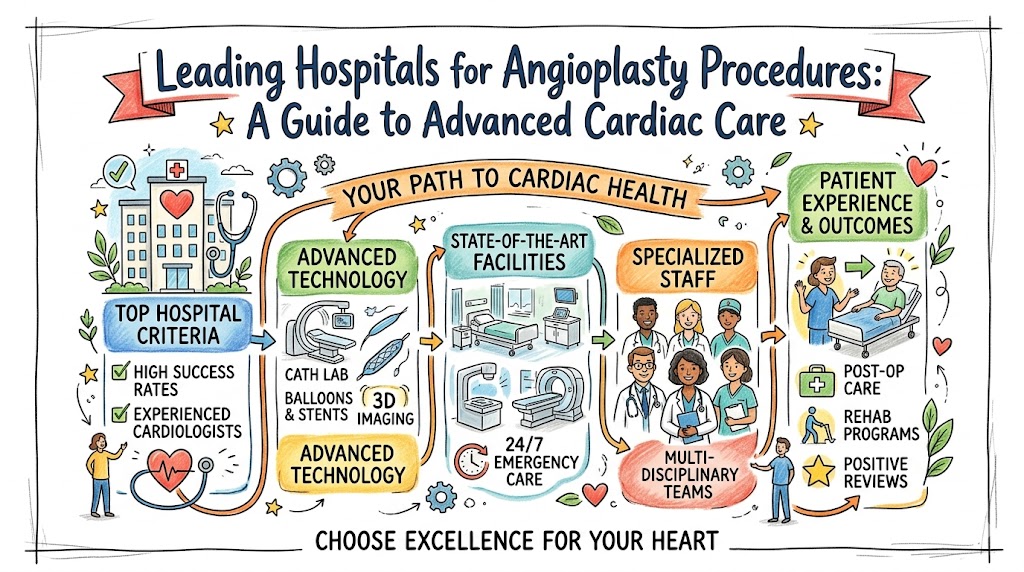
Leading hospitals for angioplasty procedures are highly specialized medical institutions or dedicated cardiovascular departments within major tertiary care facilities that meet strict international standards for interventional cardiac care. These centers are designed from the ground up to handle both complex, pre-scheduled arterial treatments and high-stakes, emergency cardiovascular situations with precision.
Definition of Angioplasty Treatment Centers
Unlike general medical practices or primary health clinics, dedicated angioplasty treatment hospitals are structurally engineered to perform advanced endovascular procedures. These specialized institutions undergo rigorous clinical audits, maintain strict tissue-safety standards, and secure specific healthcare accreditations, ensuring that every invasive procedure adheres to modern medical protocols.
Role of Interventional Cardiology Hospitals
The core mission of an interventional cardiology center is to treat structural and vascular heart issues using minimally invasive, catheter-based techniques. Instead of resorting to highly invasive open-heart operations, these centers specialize in reaching the heart through microscopic entry points in the blood vessels, minimizing physical trauma to the body and ensuring rapid recovery.
Catheterization Labs (Cath Lab) Importance
The absolute heart of any leading cardiovascular hospital is the cardiac catheterization lab, commonly referred to as the Cath Lab. This is a sterile, high-tech operating suite equipped with advanced fluoroscopy imaging systems that allow specialists to view the coronary anatomy in real time. A premier Cath Lab operates under strict environmental controls, positive pressure ventilation, and rigorous infection-prevention measures, creating a controlled space where catheters can be safely guided through the vascular system.
Emergency Cardiac Response Units
Time is a critical variable in cardiac survival, leading top hospitals to establish integrated emergency response units. These specialized teams—consisting of emergency physicians, specialized nurses, and on-call interventionalists—are trained to coordinate seamlessly. This ensures that when a patient arrives with symptoms of an acute heart attack, the diagnostic workup, stabilization, and transfer to the Cath Lab occur efficiently.
Diagnostic and Imaging Systems for Heart Blockage Detection
To accurately map out vascular blockages before and during a procedure, modern heart care hospitals employ advanced diagnostic tools. These systems go beyond standard external checks to provide clear, multi-dimensional views of the circulatory system:
- High-Resolution Digital Fluoroscopy: Delivers real-time X-ray video guidance, allowing the physician to view the exact path of the catheter through the coronary arteries.
- Intravascular Ultrasound (IVUS): Uses a microscopic ultrasound probe inside the blood vessel to view the thickness, composition, and structural nature of the arterial plaque.
- Optical Coherence Tomography (OCT): Utilizes near-infrared light to capture high-definition, cross-sectional images of the vessel wall, aiding in precise stent selection.
- Fractional Flow Reserve (FFR): Measures pressure differences across a blockage to determine if a narrowing is physically restricting blood flow enough to require treatment.
Skilled Cardiologists and Surgical Teams
The clinical staff inside these premier centers consists of medical professionals who have undergone years of residency, fellowship, and specialized technical training:
- Interventional Cardiologists: Board-certified specialists who possess advanced expertise in managing endovascular wires, navigating complex blockages, and deploying coronary stents.
- Cardiovascular Anesthesiologists: Medical specialists who manage patient sedation, stabilize blood pressure, and monitor vital parameters during complex interventions.
- Cath Lab Nurses and Technicians: Highly trained clinical staff who maintain sterile fields, prepare specialized catheters, and manage real-time monitoring equipment.
- On-Site Cardiothoracic Surgeons: A dedicated surgical team available on standby to provide immediate assistance if a patient’s unique anatomy requires a transition to open heart surgery.
Why Angioplasty Hospitals Matter
The specific clinical infrastructure of the hospital where an angioplasty is performed directly influences both the immediate safety of the procedure and the patient’s long-term health outcome.
Faster Emergency Response During Heart Attack
In the medical field, the phrase “time is muscle” underscores the urgency of treating a heart attack, as every minute of restricted blood flow leads to irreversible damage to the heart muscle. Leading hospitals for angioplasty procedures maintain a strict “door-to-balloon” standard, aiming to have the patient diagnosed, prepped, and the blocked artery mechanically opened well within the recommended international benchmark of ninety minutes from the moment they enter the emergency room door.
Advanced Stent Placement Technology
Accredited cardiac centers maintain inventory of the latest generations of medical hardware. Rather than relying on older bare-metal stents, which carry a higher risk of the vessel narrowing again over time, premier hospitals utilize advanced, ultra-thin drug-eluting stents. These modern devices are coated with specialized medications that release slowly over time to prevent excessive scar tissue formation within the treated artery.
Reduced Risk of Complications
While any invasive vascular procedure carries inherent risks, leading cardiac care hospitals minimize these variables through structured, multi-layered safety protocols. The combination of high-definition intravascular imaging, sterile cleanroom air filtration, real-time hemodynamic tracking, and single-use surgical packs significantly lowers the risk of vessel tearing, localized bleeding, or post-procedural infections.
Better Survival Outcomes in Acute Cases
In high-risk scenarios, such as cardiogenic shock or sudden cardiac arrest triggered by a massive blockage, the presence of specialized support systems is essential. Top-tier interventional cardiology centers feature advanced mechanical circulatory support tools, such as intra-aortic balloon pumps and percutaneous ventricular assist devices, which support heart function during complex clearing procedures.
Continuous ICU Monitoring Support
The care pathway for a cardiac patient extends well beyond the time spent in the Cath Lab. Leading hospitals feature dedicated Coronary Care Units (CCU) and Intensive Care Units (ICU) staffed entirely by specialized cardiac nurses. These units utilize advanced telemetry systems to monitor the patient’s heart rhythm, fluid balance, and arterial healing continuously during the critical early recovery phase.
Experienced Interventional Cardiology Teams
Top heart care hospitals maintain high procedural volumes, meaning their medical staff performs thousands of catheterization procedures each year. This continuous clinical experience sharpens the team’s technical skills and diagnostic intuition, allowing them to manage calcified blockages, tortuous vascular pathways, and unexpected anatomical variations safely and efficiently.
┌─────────────────────────────────────────────────────────────────────────┐
│                    ACCREDITED HEART CENTER VS. BASIC CLINIC             │
├─────────────────────────────────────────────────────────────────────────┤
│  Accredited Cardiac Center         │  Basic Multi-Specialty Clinic      │
│  ─────────────────────────         │  ────────────────────────────      │
│  • 24/7 Dedicated Cath Lab Teams   │  • On-Call Specialists via Travel  │
│  • Intravascular Imaging (IVUS/OCT)│  • Standard External X-Ray Only    │
│  • Under 90-Min Door-to-Balloon    │  • Stabilize and Transfer Process  │
│  • On-Site Cardiothoracic Backup   │  • No Advanced Surgical Suites     │
└─────────────────────────────────────────────────────────────────────────┘
Core Angioplasty Procedure Explained
An angioplasty is a structured medical procedure that requires close coordination among the entire clinical team to ensure safety and precision at every stage.
+-------------------------------------------------------------------------+
│                    THE ANGIOPLASTY TREATMENT PATHWAY                    │
+-------------------------------------------------------------------------+
│ [Admission & ECG] ──► Immediate diagnostics to locate visual strain     │
│        │                                                                │
│ [Micro-Access]    ──► Radial or femoral artery entry with local numbing │
│        │                                                                │
│ [Balloon Guide]   ──► Real-time imaging directs balloon to plaque site  │
│        │                                                                │
│ [Stent Deploy]    ──► Inflation expands stent; mesh locks into place    │
│        │                                                                │
│ [Flow Check]      ──► Contrast dye confirms robust, unhindered flow     │
│        │                                                                │
│ [CCU Telemetry]   ──► Continuous monitoring of rhythm and access site   │
+-------------------------------------------------------------------------+
Step 1: Patient Admission and ECG/Angiography Diagnosis
The process begins with immediate clinical evaluation. Upon presentation with chest pain or related indicators, the medical team performs a 12-lead Electrocardiogram (ECG) within minutes to trace the heart’s electrical patterns and identify signs of muscle strain. If an active blockage is indicated, the patient is transferred directly to the Cath Lab, where a coronary angiography is performed. During the angiogram, a safe contrast dye is introduced into the bloodstream, allowing the interventional cardiologist to locate the exact position and severity of the arterial blockage on high-resolution monitors.
Step 2: Catheter Insertion Through Wrist or Groin
Once the target blockage is identified, the patient is positioned on the specialized procedure table under local anesthesia, accompanied by mild sedation to maintain comfort. The cardiologist creates a microscopic entry point, typically through the radial artery in the wrist or, when necessary, the femoral artery in the groin. A slender, flexible tube known as a sheath is inserted into the artery, serving as a stable portal through which micro-thin guide wires and specialized catheters are navigated up to the origin of the coronary arteries.
Step 3: Balloon Inflation to Open Blocked Artery
With the catheter positioned at the opening of the narrowed coronary artery under continuous fluoroscopic guidance, the cardiologist passes a micro-thin guide wire directly through the center of the fatty plaque accumulation. A specialized catheter equipped with an uninflated, high-pressure balloon at its tip is guided over the wire and placed precisely within the narrowed segment of the vessel. Once positioned, the balloon is carefully inflated using a controlled fluid delivery system, mechanically compressing the hardened plaque outward against the arterial wall to restore the open pathway of the vessel.
Step 4: Stent Placement to Keep Artery Open
Because blood vessels possess a natural elasticity and can narrow again after a balloon is deflated, the cardiologist secures the open pathway by placing a permanent coronary stent. The stent is a microscopic, expandable mesh tube made of biocompatible metal alloy that comes pre-mounted on a second balloon catheter. This assembly is guided directly into the newly opened segment of the artery and expanded. As the balloon inflates, the mesh structure locks into place, forming a permanent internal scaffold that holds the arterial walls open.
Step 5: Blood Flow Restoration Process
Following the successful expansion and deployment of the permanent stent, the delivery balloon is deflated and carefully withdrawn from the body, leaving the structural mesh firmly in place. The interventional cardiologist then injects a final allocation of contrast dye to perform a post-stent angiogram. This allows the team to visually verify that the treated artery has been successfully widened, that the stent is fully adapted to the vessel wall, and that robust, unhindered blood flow has been restored to the surrounding heart muscle tissue.
Step 6: Post-Procedure Monitoring in ICU
Once the micro-instruments are removed from the body, the entry site in the wrist or groin is secured using a specialized compression device to ensure proper healing and prevent localized bleeding. The patient is then transferred to a dedicated coronary care unit or intensive care unit for structured post-procedure monitoring. Here, specialized cardiac nurses track the patient’s vital signs, perform regular ECG checks, monitor the access site, and ensure proper hydration to help the kidneys naturally flush the contrast dye from the body.
Types of Angioplasty Procedures
Cardiovascular medicine has developed multiple variations of the cardiac catheter procedure to address different levels of arterial disease, plaque densities, and emergency scenarios.
Balloon Angioplasty
Historically the foundational form of endovascular treatment, a plain balloon angioplasty involves introducing a fluid-filled balloon catheter to physically dilate a narrowed artery without placing a permanent scaffold. While largely replaced by modern stenting techniques in standard coronary care due to the risk of the vessel snapping back or narrowing again, balloon angioplasty remains an important step for preparing tough, calcified vessels before a stent is introduced, and it is widely used in peripheral artery treatments.
Stent Angioplasty
A standard stent angioplasty involves deploying a bare-metal mesh cylinder immediately following balloon dilation to provide permanent structural support within the treated vessel. The introduction of the structural stent significantly reduced the incidence of abrupt vessel closure compared to balloon treatment alone. While bare-metal stents are still utilized in specific clinical scenarios—such as for patients who cannot tolerate long-term blood-thinning medications or those requiring imminent non-cardiac surgeries—they have largely been superseded by modern drug-eluting designs.
Drug-Eluting Stent Procedure
The drug-eluting stent procedure represents a major advancement in long-term coronary disease management and is the standard choice at leading hospitals for angioplasty procedures. These advanced scaffolds are coated with a specialized, biocompatible polymer matrix that carries specific anti-proliferative medications. Following deployment, the stent releases these medications at a controlled, microscopic level over several weeks, suppressing excessive scar tissue growth inside the vessel and lowering the risk of long-term blockages.
Emergency Primary Angioplasty (During Heart Attack)
Commonly referred to as a Primary Percutaneous Coronary Intervention (PCI), an emergency primary angioplasty is an immediate, life-saving intervention performed during an acute myocardial infarction. This procedure skips the standard waiting periods and medication trials; the patient is taken directly to the Cath Lab to mechanically clear the sudden, complete clot occlusion causing the heart attack, helping to preserve viable heart muscle tissue.
Complex Multi-Vessel Angioplasty
When diagnostic angiography reveals extensive, complex blockages across multiple primary coronary arteries, leading cardiovascular centers can perform a complex multi-vessel angioplasty. This advanced procedure requires careful planning, high technical skill, and the use of specialized intravascular imaging to systematically clear multiple blockages during a single structured session or across staged procedures, offering an effective option for patients who may be too high-risk for traditional open-heart bypass surgery.
Modern Cardiac Hospital Systems
The operational precision of a premier heart care center relies on integrated digital hospital systems that connect diagnostic findings directly with real-time surgical execution.
Real-Time Heart Monitoring Systems
Inside a modern Cath Lab and coronary care unit, patient safety is maintained through advanced hemodynamic monitoring systems. These tools continuously record and display multiple vital parameters simultaneously—including multi-lead electrocardiograms, intra-arterial blood pressures, blood oxygen saturation levels, and core body temperatures—allowing the clinical team to detect and respond to subtle physiological changes instantly.
Digital Angiography Imaging
Modern digital angiography systems utilize advanced flat-panel detectors that deliver exceptionally clear, high-definition visual tracking of the coronary anatomy while minimizing patient and staff exposure to medical radiation. These digital systems feature automated edge-detection software that allows interventional cardiologists to measure the exact diameter of a blood vessel down to a fraction of a millimeter, ensuring precise selection of balloon and stent sizes.
Advanced Cath Lab Technologies
Premier interventional cardiology centers feature biplane Cath Lab configurations, which utilize two independent, rotating imaging arms to capture clear views of the heart from different angles simultaneously using a single injection of contrast dye. This advanced imaging capability shortens the total duration of the procedure, reduces the volume of contrast dye required, and provides the clear visualization needed to navigate tortuous or calcified vascular pathways safely.
┌─────────────────────────────────────────────────────────────────────────┐
│                      ADVANCED CATH LAB DIGITAL PATHWAY                  │
├─────────────────────────────────────────────────────────────────────────┤
│  • Biplane Fluoroscopy ──► Simultaneous dual-angle anatomical views     │
│  • Intravascular OCT   ──► Near-infrared sub-surface plaque analysis    │
│  • Hemodynamic Core    ──► Continuous micro-pressure monitoring         │
│  • Digital Cleardown   ──► Real-time radiation exposure mitigation      │
└─────────────────────────────────────────────────────────────────────────┘
ICU Cardiac Monitoring Units
Following an angioplasty, patients are monitored via centralized digital telemetry networks within the ICU. These systems use wireless transmitters worn by the patient to stream live cardiac rhythm data directly to central nursing stations. The software includes advanced arrhythmia-detection algorithms that sound immediate alerts if a irregular heart rhythm is detected, ensuring timely clinical intervention.
AI-Assisted Diagnosis Systems
Artificial intelligence is increasingly integrated into modern cardiac imaging platforms to support clinical decision-making. Advanced AI algorithms assist cardiologists by automatically identifying calcified regions within the blood vessels on angiograms, calculating accurate percentage narrowings, and recommending optimal landing zones for stent placement, which helps enhance the precision and long-term durability of the treatment.
Emergency Response Coordination Systems
To streamline patient transfers during acute events, leading heart care hospitals utilize integrated emergency coordination networks. These digital platforms connect incoming ambulances directly with the hospital’s on-call cardiology team. Paramedics can transmit live ECG data from the field, allowing the interventional team to activate the Cath Lab and prepare for the patient’s arrival before the ambulance even reaches the hospital doors.
Technology in Angioplasty Care
The field of interventional cardiology relies heavily on advanced material science and automated imaging systems, transforming heart blockage treatment into a highly accurate and standardized discipline.
- High-Precision Catheter Systems: Modern delivery catheters are constructed using advanced hydrophilically coated polymers and braided metallic internal cores, providing excellent flexibility and torque control to navigate narrow, winding blood vessels without irritating the delicate inner lining of the artery.
- Drug-Coated Stents: Utilizing advanced bioabsorbable polymer coatings, modern drug-eluting stents deliver precise, localized medications to the vessel wall over a structured healing window before the coating naturally dissolves, leaving behind a clean, biocompatible metallic scaffold that supports long-term vascular health.
- Intravascular Imaging (IVUS/OCT): Microscopic ultrasound and near-infrared light probes are guided directly inside the coronary artery, providing detailed cross-sectional views of plaque structures and allowing cardiologists to confirm that a stent is perfectly expanded and adapted to the vessel wall.
- AI-Based Blockage Detection Tools: Advanced automated software platforms analyze coronary angiograms in real time, utilizing complex geometric calculations to map out subtle flow restrictions and guide clinicians toward the most effective treatment pathways.
- Robotic-Assisted Cardiac Procedures: Premier cardiovascular centers utilize advanced robotic-assisted interventional platforms, allowing cardiologists to guide micro-wires, balloons, and stents with millimeter-level precision from a shielded console, reducing radiation exposure and enhancing control.
- Smart Patient Monitoring Devices: Post-procedure care increasingly incorporates wearable biometric sensors and smart telemetry patches that monitor heart rates, activity levels, and fluid balances, providing an extra layer of clinical oversight as patients transition from hospital to home.
Benefits of Choosing the Right Angioplasty Hospital
Investing the time to select an accredited heart hospital with advanced clinical infrastructure provides significant benefits for both immediate procedural safety and long-term cardiovascular health.
Faster Life-Saving Intervention
The primary benefit of choosing a specialized cardiac center is the presence of an efficient, well-coordinated emergency care system. The seamless alignment of emergency room staff, diagnostic technicians, and on-call Cath Lab teams ensures that critical blockages can be opened rapidly during a heart attack, helping to minimize muscle damage.
Higher Procedural Success Rates
Premier interventional cardiology centers combine high-definition intravascular imaging with experienced medical specialists, resulting in high procedural success rates. These centers are well-equipped to manage complex clinical challenges—such as heavily calcified blockages, chronic total occlusions, and multi-vessel disease—safely and predictably.
Reduced Recovery Time
By utilizing modern, minimally invasive techniques—such as transradial access through the wrist rather than femoral access through the groin—leading hospitals help minimize post-procedure discomfort. This approach reduces the risk of localized bleeding, allows patients to walk comfortably within hours of the procedure, and shortens the total hospital stay.
Better Long-Term Artery Health
The use of advanced imaging technologies like IVUS and OCT, combined with modern drug-eluting stents, helps ensure that scaffolds are selected and deployed precisely. Confirming that a stent is fully adapted to the native vessel walls reduces the long-term risk of the artery narrowing again or forming clots, supporting better vascular health.
Expert Cardiac Specialist Support
Accredited cardiovascular hospitals maintain experienced, multi-disciplinary care teams. Patients benefit from the collective expertise of interventionalists, clinical cardiologists, specialized nurses, and cardiac rehabilitation therapists who work together to manage all aspects of your care pathway, from initial diagnosis to long-term recovery.
Advanced ICU Care Availability
Should a patient present with complex health factors or experience unexpected physiological shifts during treatment, a top-tier hospital provides immediate access to specialized coronary care units. These units feature advanced life-support systems, dedicated cardiac medication protocols, and twenty-four-hour monitoring to ensure patient safety throughout the recovery process.
Risks and Realistic Expectations
A balanced approach to coronary intervention requires a clear, practical understanding of the recovery process, potential side effects, and the lifestyle changes needed to maintain heart health.
Minor Bleeding or Bruising at Catheter Site
It is common for patients to experience mild bruising, discoloration, or a small, firm nodule at the entry site in the wrist or groin during the initial weeks following an angioplasty. This is a normal part of the vascular healing process where the catheter entered the artery. While mild tenderness is expected, any rapid swelling, warmth, or active bleeding requires immediate clinical evaluation.
Temporary Chest Discomfort
During the first few days after a stent is deployed, some patients may notice mild, transient chest sensations or a feeling of awareness in the chest area, particularly during deep breaths or position changes. This discomfort often represents the native vessel adapting to the physical expansion of the metallic mesh scaffold. While mild symptoms are common, any severe, crushing, or prolonged pain similar to the original blockage symptoms must be reported to your care team immediately.
Rare Complications Depending on Severity
While angioplasty is a common and highly refined procedure, it carries inherent medical risks that depend on the patient’s age, overall health, kidney function, and the complexity of the blockages. Rare complications can include localized damage to the coronary artery, unexpected allergic reactions to the contrast dye, minor kidney strain from processing the dye, or localized blood clots forming within the stent area.
Need for Lifestyle Changes After Procedure
It is essential for patients to understand that an angioplasty is a highly effective localized treatment for opening a specific arterial blockage, but it is not a permanent cure for coronary artery disease. The systemic factors that caused plaque to accumulate in your vessels remain active. To protect your heart over the long term, the procedure must be paired with permanent, heart-healthy lifestyle changes.
Importance of Medication Adherence
Following stent placement, patients must strictly adhere to their prescribed medication regimen, particularly Dual Antiplatelet Therapy (DAPT), which typically combines aspirin with a second specialized blood thinner. These medications prevent blood clots from forming on the newly deployed metallic stent mesh. Stopping these medications prematurely, even for a single day, carries a serious risk of sudden stent blockage.
Regular Follow-Up Care
Achieving long-term health after an angioplasty requires regular communication with your cardiology team. Scheduled follow-up appointments allow your physician to monitor your cardiovascular stability, check your blood pressure and lipid profiles, evaluate your kidney function after dye exposure, and adjust your long-term medications to ensure your heart remains well-protected.
┌─────────────────────────────────────────────────────────────────────────┐
│                      POST-ANGIOPLASTY CARE MATRIX                       │
├─────────────────────────────────────────────────────────────────────────┤
│  • Medication Adherence ──► DAPT blood thinners require strict schedule │
│  • Access Site Care     ──► Monitor wrist/groin for dynamic swelling    │
│  • Physical Rest        ──► Avoid heavy lifting for the first 5 days    │
│  • Hydration Focus      ──► Drink adequate water to flush contrast dye   │
└─────────────────────────────────────────────────────────────────────────┘
Common Mistakes Patients Make
Recognizing the frequent missteps made by individuals navigating coronary artery disease helps families approach cardiac care with greater awareness and safety.
- Ignoring Chest Pain Symptoms: Dismissing persistent chest discomfort, shortness of breath, or unusual fatigue as simple indigestion or muscle strain can delay needed evaluation, allowing a treatable condition to progress unnecessarily.
- Delaying Hospital Visits During Emergencies: Waiting to see if severe, radiating chest pain will resolve on its own rather than seeking immediate medical care reduces the opportunity for timely intervention, which is critical for preserving heart muscle.
- Self-Medication Instead of Treatment: Relying on over-the-counter antacids, home remedies, or unprescribed medications to manage symptoms of cardiovascular disease can mask important signs and delay professional diagnosis.
- Not Following Post-Angioplasty Advice: Resuming strenuous physical labor, skipping dietary recommendations, or failing to give the body adequate rest during the initial weeks following stent placement can compromise access site healing and overall recovery.
- Choosing Non-Specialized Hospitals: Selecting a basic medical facility that lacks an on-site Cath Lab or dedicated interventional teams during a cardiac emergency can result in unnecessary delays while arrangements are made for transfer to a specialized center.
- Missing Follow-Up Cardiac Checkups: Skipping scheduled outpatient evaluations because you feel healthy can prevent your physician from identifying subtle changes in blood pressure, cholesterol levels, or medication tolerance that are vital for long-term health.
Best Practices After Angioplasty
Achieving a stable and complete recovery after a coronary intervention depends heavily on maintaining a disciplined, heart-healthy daily routine.
Taking Prescribed Medications Regularly
Your post-procedure medications—including antiplatelets, statins, and blood pressure regulators—form the foundation of your long-term cardiovascular health. Take these medications exactly as directed by your physician, use a daily pill organizer or reminder app to avoid missed doses, and never alter your schedule without consulting your cardiologist.
Maintaining a Heart-Healthy Diet
Transition your daily nutrition toward a balanced, heart-healthy dietary framework. Focus on whole, nutrient-dense foods—such as fresh vegetables, fiber-rich whole grains, lean proteins, and healthy fats like olive oil—while minimizing your intake of refined sugars, trans fats, and sodium, which helps reduce strain on your blood vessels.
Regular Walking and Light Exercise
Physical activity is important for strengthening the heart muscle and improving overall circulation. Begin with short, low-intensity walks on level ground during the initial weeks, gradually increasing your duration and pace based on your clinical team’s guidance. Avoid strenuous heavy lifting or high-intensity training until cleared by your physician.
Avoiding Smoking and Alcohol
Conclusively stop all forms of tobacco use, as nicotine directly damages the inner lining of your blood vessels, triggers arterial spasms, and accelerates plaque buildup. Additionally, limit or avoid alcohol consumption to protect your blood pressure levels and support your overall metabolic health during recovery.
Controlling Blood Pressure and Sugar
Consistently monitor your blood pressure and blood glucose levels at home, recording the readings in a dedicated health log. Keeping these numbers within the target ranges recommended by your doctor helps minimize mechanical stress on your newly stented arteries and supports your long-term vascular health.
Attending Follow-Up Visits
Keep every scheduled follow-up appointment with your cardiology team, even if you are feeling strong and symptom-free. These visits allow your doctor to evaluate your heart’s recovery, monitor your medication safety profiles through routine blood tests, and make necessary adjustments to keep your health on track.
Real-World Healthcare Use Cases
Examining standard clinical scenarios illustrates how specialized hospital care and structured treatment pathways support recovery across various patient needs.
Emergency Heart Attack Angioplasty Cases
A 45-year-old individual experiences a sudden onset of crushing chest pain and sweating while at work. Emergency medical services are called, and a field ECG indicates an acute myocardial infarction. The patient is transported directly to a leading hospital for angioplasty procedures. Because the hospital maintains an active, 24-hour Cath Lab team, the patient bypasses the standard emergency room waiting area. The interventional cardiologist identifies a complete blockage in the left anterior descending artery, performs a rapid balloon dilation, and places a modern drug-eluting stent within forty-five minutes of arrival, minimizing muscle tissue strain.
Multi-Vessel Blockage Treatment
A 62-year-old retired individual with chronic stable angina finds that their chest pain has become increasingly frequent during light walking. A diagnostic coronary angiogram reveals severe, calcified blockages across two major coronary arteries. The multi-disciplinary heart team, including an interventionalist and a cardiothoracic surgeon, reviews the case. Given the patient’s lifestyle and anatomy, they plan a staged multi-vessel angioplasty. Over two separate, carefully structured sessions, the specialist uses high-definition intravascular ultrasound to clear both blockages and place targeted stents, restoring blood flow without requiring an open-heart operation.
Elderly Patient Cardiac Intervention
An 80-year-old patient with a history of mild kidney insufficiency experiences worsening shortness of breath during routine daily activities. Non-invasive testing suggests underlying coronary artery disease. The patient is admitted to a specialized interventional cardiology center experienced in managing high-risk cases. To protect the patient’s delicate kidneys, the team designs a low-contrast imaging protocol, utilizing minimal contrast dye combined with high-definition optical coherence tomography guidance. The target blockage is successfully stented, and the patient recovers comfortably under close hydration monitoring in the CCU.
High-Risk Diabetic Patient Care
A 55-year-old individual with long-standing Type 2 diabetes presents with atypical symptoms, including persistent fatigue and unexplained shortness of breath during light exertion. A detailed cardiac evaluation reveals diffuse plaque buildup across their coronary arteries, a pattern common in diabetic patients. The specialized heart care hospital initiates a comprehensive treatment plan that combines high-precision angioplasty for the primary blockages with intensive medical management for their blood sugar and lipid profiles, helping to stabilize their long-term vascular health.
ICU-Based Emergency Cardiac Rescue
A patient with severe multi-organ health challenges experiences a sudden, unstable cardiac event while hospitalized in an intensive care unit. The hospital’s rapid-response cardiac team is mobilized immediately, stabilizing the patient’s oxygenation and blood pressure using advanced intravenous medications. The patient is transferred directly to the adjacent Cath Lab, where the interventional team swiftly clears an acute arterial blockage. This close coordination between the critical care team and the Cath Lab specialists allows the patient to return safely to the ICU for continued recovery.
Preventive Angioplasty After Diagnosis
During a routine preventive health evaluation, a 50-year-old individual with a family history of early cardiovascular disease undergoes a computed tomography (CT) coronary angiogram. The scan reveals a significant, highly unstable plaque formation in a primary coronary artery, despite the patient having minimal everyday symptoms. Following a detailed consultation and a fractional flow reserve (FFR) evaluation that confirms a meaningful restriction in blood flow, the patient undergoes a planned, preventive angioplasty. This timely intervention stabilizes the vessel and lowers the risk of a sudden emergency event.
Future of Angioplasty Treatment
The field of interventional cardiology continues to advance rapidly, driven by innovations in material science, automated tracking systems, and digital health tools that help enhance treatment precision.
- AI-Guided Cardiac Intervention: Future catheterization software will incorporate advanced artificial intelligence models capable of analyzing real-time intravascular images instantaneously. These smart systems will assist cardiologists by identifying hidden plaque characteristics and recommending optimal stent dimensions to improve procedural precision.
- Robotic Angioplasty Systems: Next-generation Cath Labs will increasingly feature highly precise robotic-assisted navigation platforms. Operating from a protective control console, the interventionalist can guide micro-wires and position stents with sub-millimeter accuracy, reducing procedural variation and minimizing radiation exposure for the care team.
- Smart Stent Technology: Emerging research in biomaterials is focused on developing next-generation bioresorbable scaffolds. These smart stents will provide necessary structural support to the healing artery for a specific window before naturally dissolving completely, leaving behind a restored, natural blood vessel free of permanent metallic hardware.
- Predictive Heart Attack Detection: The integration of wearable biometric sensors with advanced cloud analytics will allow for continuous monitoring of subtle physiological indicators, such as minute shifts in heart rate variability and blood oxygenation, helping to alert high-risk patients and their doctors before an acute event occurs.
- Fully Digital Cath Labs: Future interventional suites will utilize integrated digital networks that connect preoperative CT scans and live fluoroscopy into a single high-definition interface, providing the surgical team with a detailed blueprint to navigate complex vascular structures safely.
- Personalized Cardiac Treatment Planning: Advanced computer modeling will allow teams to simulate a patient’s unique blood flow patterns using digital twins before entering the operating room, helping clinicians select the most effective combination of treatments for each individual’s anatomy.
FAQs (15 Questions)
1. What is an angioplasty?
An angioplasty is a minimally invasive endovascular procedure designed to open narrowed or completely blocked coronary arteries, restoring natural blood flow to the heart muscle. The procedure involves guiding a micro-thin catheter with a small balloon at its tip to the site of the blockage, where the balloon is inflated to compress the fatty plaque accumulation against the vessel walls. A permanent mesh tube called a stent is typically placed to keep the artery open.
2. Is angioplasty safe?
Yes, angioplasty is a widely performed, highly refined, and safe procedure when conducted by experienced interventional cardiologists within an accredited heart care center. While it is an invasive vascular procedure that carries minor inherent risks—such as bruising at the access site or temporary chest sensitivity—the likelihood of serious complications is low, and the benefits of restoring proper blood flow outweigh the risks.
3. How long does recovery take?
The initial recovery phase after a modern transradial (wrist-access) angioplasty is relatively fast. Most patients can walk comfortably within a few hours of the procedure and are discharged from the hospital within one to two days. While you can typically return to light daily activities and desk work within a week, it is important to avoid heavy lifting or strenuous exercise for several weeks as the blood vessel heals completely.
4. Is a stent permanent?
Yes, traditional metallic stents—such as standard drug-eluting stents—are designed to remain permanently within your coronary artery, where they become naturally incorporated into the vessel wall over time to form a stable support structure. Emerging bioresorbable scaffolds provide temporary support before naturally dissolving completely over several years, but traditional stents are permanent fixtures.
5. What causes a heart blockage?
A heart blockage is caused by a progressive condition called atherosclerosis, which involves the gradual buildup of fatty deposits, cholesterol, cellular waste products, and calcium—collectively known as plaque—along the inner lining of the coronary arteries. This buildup is accelerated over time by systemic risk factors such as smoking, high blood pressure, elevated cholesterol levels, diabetes, a sedentary lifestyle, and genetic predispositions.
6. Can an angioplasty be repeated?
Yes, an angioplasty can be safely repeated if a patient develops a new blockage in a different coronary artery or experiences a condition called in-stent restenosis, where excessive scar tissue forms inside a previously deployed stent. If a treated vessel narrows again, interventional cardiologists can use specialized drug-coated balloons or advanced imaging to clear the pathway and restore proper flow.
7. What is the difference between an angiogram and an angioplasty?
An angiogram is a purely diagnostic imaging procedure used to locate the exact position, length, and severity of blockages within your blood vessels by injecting a safe contrast dye under X-ray guidance. An angioplasty is the actual therapeutic intervention that follows; it uses balloons and permanent stents to mechanically open those identified blockages and restore blood flow.
8. What is a drug-eluting stent?
A drug-eluting stent (DES) is a modern, metallic mesh scaffold coated with a specialized polymer matrix that slowly releases anti-proliferative medication directly into the blood vessel wall over several weeks following deployment. This localized medication delivery helps prevent excessive scar tissue from growing inside the stent, significantly lowering the risk of the artery narrowing again over time.
9. Will I feel the stent inside my chest?
No, you will not be able to physically feel the permanent metallic stent inside your chest after the procedure. The coronary arteries do not possess internal nerve endings that detect the presence of the microscopic mesh scaffold. While some patients notice mild, temporary chest awareness or minor discomfort during the initial days as the vessel stretches, this quickly fades as healing progresses.
10. Can I undergo an MRI after getting a coronary stent?
Yes, practically all modern coronary stents utilized at leading hospitals are constructed from advanced, non-magnetic alloys—such as cobalt-chromium or platinum-chromium—and are classified as MRI-safe or MRI-conditional. This means you can safely undergo routine magnetic resonance imaging scans, though it is always important to provide your imaging team with your specific stent identification card before the scan.
11. What medications must I take after an angioplasty?
Following stent placement, patients are prescribed Dual Antiplatelet Therapy (DAPT), which typically combines aspirin with a second specialized blood thinner like clopidogrel, prasugrel, or ticagrelor to prevent clots from forming on the new stent mesh. Additionally, your doctor may prescribe statins to manage cholesterol levels and beta-blockers to help regulate blood pressure and support overall heart health.
12. What happens if a stent becomes blocked suddenly?
A sudden blockage of a coronary stent, known as stent thrombosis, is a serious medical emergency that presents with acute, severe chest pain similar to a heart attack. This condition is typically triggered by a sudden blood clot forming inside the mesh, often due to prematurely stopping prescribed blood thinners. It requires immediate emergency transfer to a Cath Lab to clear the clot and restore blood flow.
13. Is an angioplasty the same as open-heart bypass surgery?
No, an angioplasty is a minimally invasive percutaneous procedure that accesses the heart through a microscopic puncture in the wrist or groin under local anesthesia, utilizing balloons and stents to open existing vessels. Open-heart bypass surgery (CABG) is a major surgical operation performed under general anesthesia that involves opening the chest cavity to graft healthy blood vessels around severely blocked arteries.
14. How does contrast dye affect the kidneys, and how is it managed?
The contrast dye utilized during an angioplasty is processed and eliminated from the body through the kidneys. In some patients, particularly the elderly or those with pre-existing kidney disease, the dye can cause temporary strain. To manage this risk, leading hospitals evaluate kidney function via blood tests prior to the procedure, utilize the minimum effective volume of dye, and provide proper intravenous hydration to help the kidneys clear the dye safely.
15. How should I select the best hospital for an angioplasty procedure?
Prioritize accredited medical centers that feature dedicated, twenty-four-hour cardiac catheterization labs and maintain a high volume of interventional procedures. Ensure the facility employs board-certified interventional cardiologists, provides continuous coronary care unit (CCU) monitoring, maintains an on-site cardiothoracic surgery backup team, and offers structured cardiac rehabilitation programs to support long-term recovery.
Final Thoughts
Approaching the treatment of coronary artery disease requires an informed, safety-first mindset focused on timely intervention, modern technology, and permanent lifestyle improvements. As detailed throughout this guide, an angioplasty is a refined medical intervention that requires specialized care at every stage. To achieve a safe and durable outcome, the treatment should be performed within an accredited healthcare facility equipped with the necessary diagnostic and emergency infrastructure.
Leading hospitals for angioplasty procedures provide the essential foundation needed to manage complex cardiovascular conditions effectively. By maintaining fully staffed, twenty-four-hour cardiac catheterization labs, employing experienced interventional specialists, utilizing high-definition intravascular imaging tools, and providing dedicated coronary care monitoring, these institutions ensure that patient care pathways are handled with precision from the moment of admission.
Always keep in mind that while a successful angioplasty is highly effective at clearing localized blockages and restoring necessary blood flow, it represents one part of a comprehensive heart care journey. The procedure clears the immediate path, but maintaining long-term cardiovascular health requires a continuous commitment to your prescribed medical therapy, regular follow-up evaluations, and heart-healthy lifestyle choices.
As the field of cardiology continues to advance—introducing robotic-assisted procedures, intelligent imaging systems, and bioresorbable scaffolds—the precision and safety of vascular interventions continue to reach new levels. By partnering with accredited heart centers, staying informed about your care options, and maintaining an active connection with your cardiologists, you can navigate your recovery with confidence and protect your cardiovascular health for years to come.