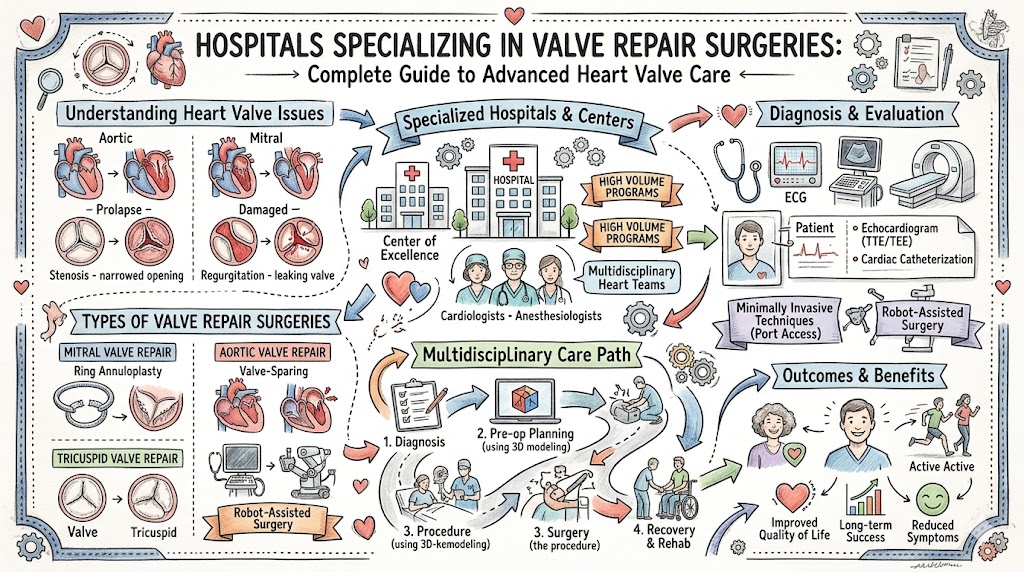
Introduction
Your heart valves act like precise, one-way doors, ensuring that blood flows in the right direction to keep your body energized and healthy. When these valves begin to leak, narrow, or fail to close properly, it can put a significant strain on your heart and impact your daily quality of life. Discovering that you need valve surgery is a serious moment, but it is also the first step toward restoring your heart’s strength and vitality.
Choosing the right medical facility for your valve repair is perhaps the most critical decision you will make in this process. Specialized centers offer not just surgical skill, but a holistic environment of advanced technology, multidisciplinary care, and long-term support. In this guide, we will explore why specialization matters, what modern repair techniques look like, and how you can select a hospital that puts your heart health first. We invite you to learn more at BestHeartSurgery, your trusted resource for navigating complex cardiac care with confidence and clarity.
Quick Answer
A hospital specialized in valve repair is defined by its high procedural volume, board-certified cardiac surgical teams, and integrated hybrid operating rooms that allow for both surgical and catheter-based interventions. These centers prioritize valve repair over replacement whenever possible, preserving the natural heart structure to ensure better long-term heart function. By combining state-of-the-art 3D imaging, minimally invasive robotic techniques, and dedicated cardiac intensive care units, these hospitals achieve superior outcomes, lower infection rates, and faster patient recoveries compared to general surgical facilities.
Understanding Heart Valve Disease
What Are Heart Valves?
Your heart has four valves: the mitral, aortic, tricuspid, and pulmonary valves. They consist of delicate flaps of tissue that open and close in perfect synchronization with your heartbeat, preventing blood from flowing backward.
How Heart Valves Function
Think of your heart as a pump with four chambers. The valves ensure that blood moves forward from one chamber to the next, and eventually out to your lungs or the rest of your body, without leakage or obstruction.
Common Types of Heart Valve Disorders
Valve disorders typically fall into two categories: stenosis, where the valve narrows and struggles to open, and regurgitation, where the valve doesn’t close tightly, causing blood to leak backward.
Causes of Valve Disease
Valve issues can be congenital (present from birth), or they can develop over time due to aging, infection, rheumatic heart disease, or structural damage following other heart conditions.
Risk Factors for Valve Problems
Risk factors include high blood pressure, diabetes, a history of heart infections, and advancing age. Even if you don’t have symptoms, regular check-ups can detect valve disease early.
Why Early Diagnosis Matters
When valve disease is caught early, doctors can often monitor the progression or perform a repair before the heart muscle becomes permanently damaged or weakened.
Common Heart Valve Conditions
Mitral Valve Regurgitation
This is one of the most common valve issues, where the mitral valve fails to close, allowing blood to flow back into the left atrium. Repair is often highly effective for this condition.
Mitral Valve Stenosis
This occurs when the mitral valve narrows, restricting blood flow from the left atrium into the left ventricle. This often leads to fatigue and shortness of breath.
Aortic Valve Stenosis
This is the narrowing of the aortic valve opening, which forces the heart to work harder to pump blood to the body. It is frequently associated with age-related calcium buildup.
Aortic Valve Regurgitation
This occurs when the aortic valve does not close tightly, causing blood to leak back into the heart from the aorta, leading to potential heart enlargement over time.
Tricuspid Valve Disease
Problems with the tricuspid valve—which regulates blood between the heart’s right-side chambers—can affect blood flow to the lungs and cause fluid buildup in the body.
Pulmonary Valve Disorders
These are rarer and often congenital. They involve issues with the valve that regulates blood flow from the heart to the lungs.
Understanding Valve Repair Surgery
What Is Valve Repair Surgery?
Valve repair surgery is a procedure where a cardiac surgeon reconstructs your existing heart valve. Instead of removing the valve entirely, the surgeon reshapes, patches, or reinforces the tissues to restore proper function.
Valve Repair vs Valve Replacement
Repair is almost always preferred because it preserves your heart’s natural anatomy and avoids the need for lifelong blood-thinning medication that often accompanies mechanical valve replacements.
Benefits of Preserving the Natural Valve
Preserving your native valve typically leads to better long-term heart muscle function, lower risks of clot formation, and often a better quality of life for the patient.
Who May Need Valve Repair Surgery?
Candidates include patients with symptomatic valve disease, those whose heart function is beginning to decline, or patients whose valves are structurally capable of being reconstructed.
Goals of Treatment
The primary goals are to eliminate leaks or obstructions, reduce the workload on your heart, alleviate your symptoms, and improve your long-term survival prospects.
Features of Hospitals Specializing in Valve Repair Surgeries
Experienced Cardiac Surgeons
Specialized centers feature surgeons who perform hundreds of valve repairs annually. This high volume leads to greater procedural precision and better understanding of complex valve anatomy.
Dedicated Heart Surgery Teams
It takes more than just a surgeon; these hospitals employ specialized cardiac anesthesiologists, perfusionists, and surgical assistants who work as a seamless unit.
Advanced Cardiac Imaging Facilities
High-resolution 3D echocardiography and real-time intraoperative imaging are essential for the surgeon to see exactly how the repair is working during the procedure.
Hybrid Operating Rooms
These rooms combine traditional surgical capabilities with advanced imaging systems, allowing the team to perform both open-heart and minimally invasive catheter-based techniques in one setting.
Cardiac Intensive Care Units
Post-surgical care is just as important as the surgery. A dedicated cardiac ICU ensures that you are monitored by experts who specialize in heart-rate stabilization and recovery.
Comprehensive Rehabilitation Programs
A specialized hospital connects you with physical therapists who understand how to help your heart recover without overexertion, ensuring you return to your activities safely.
Multidisciplinary Patient Care
Your care team includes cardiologists, surgeons, and nurses who meet to discuss your case, ensuring your treatment plan is evidence-based and highly personalized.
Advanced Technologies Used in Valve Repair Surgery
3D Echocardiography
This technology provides a clear, three-dimensional view of the valve, allowing surgeons to map out exactly where the tissue needs to be tightened or reshaped.
Robotic-Assisted Valve Repair
Robotic platforms provide the surgeon with incredible dexterity and magnification, enabling highly precise repairs through very small incisions.
Minimally Invasive Cardiac Surgery
By avoiding large chest incisions, surgeons can access the heart through smaller openings, which significantly reduces bleeding, pain, and the risk of infection.
Intraoperative Imaging Systems
These allow the surgeon to see the results of their repair while you are still on the operating table, ensuring that the valve is functioning perfectly before the chest is closed.
AI-Assisted Surgical Planning
AI tools help surgeons analyze your heart’s unique structure to predict the outcome of various repair strategies, choosing the one with the highest success potential.
Digital Patient Monitoring
Wireless monitors track your heart rhythm and oxygen saturation during your stay in the hospital, sending alerts to the nursing team if any values shift.
Enhanced Recovery Programs
These are clinical pathways that standardize your post-op care—from nutrition to early walking—to get you out of the hospital sooner and feeling better faster.
Benefits of Choosing Specialized Valve Repair Centers
When you choose a specialized center, you are choosing a team that focuses on your heart every single day. The focus on repair rather than replacement is a marker of high expertise. Furthermore, the specialized infrastructure allows for faster recovery, lower procedural risks, and a more tailored approach that accounts for your overall health, not just your heart condition.
Comparison Table: Valve Repair vs Valve Replacement
| Feature | Valve Repair | Valve Replacement |
| Anatomy | Preserves natural valve tissue | Removes natural valve entirely |
| Blood Thinners | Usually not required long-term | Often required (for mechanical valves) |
| Durability | Excellent; natural tissue is preserved | Mechanical/biological valves may wear out |
| Recovery | Often faster/less invasive | Depends on approach/valve type |
| Heart Function | Better long-term muscle health | Can be slightly less efficient than natural |
| Patient Goal | Restore original function | Replace failing part |
Comparison Table: Traditional Open Surgery vs Minimally Invasive Valve Repair
| Aspect | Traditional Open Surgery | Minimally Invasive Repair |
| Incision Size | Large chest opening (sternotomy) | Small, side-of-chest incisions |
| Recovery Time | Longer (weeks to months) | Faster (usually days to weeks) |
| Pain Level | Higher due to chest bone division | Generally lower |
| Scarring | Larger, prominent scar | Smaller, often inconspicuous |
| Risk of Infection | Slightly higher | Lower due to smaller wound site |
| Technology Used | Standard surgical tools | Robotic/Endoscopic high-tech tools |
Diagnosing Heart Valve Disease
Medical History and Symptoms
The diagnosis process starts with a careful review of symptoms like chest pain, fainting, palpitations, or decreased exercise tolerance.
Physical Examination
Using a stethoscope, the doctor listens for a “murmur,” which is often the first sign that a valve is not closing or opening properly.
Echocardiography
This is the primary diagnostic test. It uses sound waves to create images of your heart in motion, showing exactly how the valves are functioning.
Cardiac CT and MRI
These tests provide highly detailed, non-invasive images of the valve structure, often used to plan the specific repair strategy.
Cardiac Catheterization
Sometimes, doctors need to measure pressure inside the heart directly to confirm the severity of the valve condition.
Comprehensive Treatment Planning
Once diagnosed, your team reviews all imaging to determine if repair is the best path or if other therapies are required.
Preparing for Valve Repair Surgery
Pre-Surgical Testing
You will undergo a full battery of tests, including blood work, chest X-rays, and possibly stress tests to ensure you are fit for surgery.
Medication Review
Your doctor will provide a clear list of which medications to stop (like blood thinners) and which to continue before the procedure.
Lifestyle Preparation
Focusing on a heart-healthy diet, gentle exercise, and avoiding tobacco in the weeks leading up to surgery can significantly improve your recovery outcomes.
Understanding Surgical Risks
Your surgeon will discuss potential risks openly, including bleeding, infection, and the rare possibility that a repair might need to be converted to a replacement.
Questions Patients Should Ask
- Why is repair preferred over replacement in my case?
- Will you be using a minimally invasive or robotic approach?
- What is the expected length of my hospital stay?
- What does my specific follow-up plan look like?
Recovery After Valve Repair Surgery
Immediate Post-Surgical Recovery
You will spend time in the ICU, where the team will monitor your heart rate, blood pressure, and lung function around the clock.
Intensive Care Monitoring
This stage is about stabilization. The goal is to ensure your heart rhythm is steady and your body is handling the surgical changes well.
Hospital Stay Expectations
Most patients stay for a few days. You will be encouraged to stand and walk short distances soon after surgery to prevent complications like pneumonia or clots.
Cardiac Rehabilitation
This is essential. Supervised exercise programs help you safely rebuild your heart’s endurance and your overall physical strength.
Returning to Daily Activities
Recovery is a gradual process. Your surgeon will provide a timeline for when you can drive, lift objects, and return to work.
Long-Term Heart Health Monitoring
You will continue to have regular check-ups with your cardiologist to ensure the repair remains stable and your heart function stays strong.
Risks and Potential Complications
Bleeding Risks
While surgeons use advanced techniques to minimize blood loss, you will be monitored closely for any signs of post-operative bleeding.
Infection Risks
Specialized hospitals have the lowest infection rates due to their high volume and strict adherence to sterile surgical protocols.
Arrhythmias
The heart can be “irritable” after surgery, leading to temporary irregular rhythms. These are almost always manageable with medication.
Blood Clot Formation
Movement is the best prevention. Your nursing team will ensure you are up and walking as soon as it is safe to do so.
Valve Dysfunction Recurrence
While rare, it is possible for a valve to require further adjustment over time. Regular monitoring helps catch this early.
How Specialized Hospitals Reduce Risks
By using advanced real-time monitoring and high-volume surgical expertise, specialized centers minimize the occurrence of these risks and react immediately if they do appear.
Cardiac Rehabilitation and Long-Term Care
Physical Rehabilitation
This involves carefully structured exercise designed to strengthen the heart muscle without putting it under undue stress.
Nutritional Guidance
Dietitians will help you manage sodium and fluid intake, which is vital for reducing the workload on your recovering heart.
Lifestyle Modifications
This includes strategies for stress reduction, weight management, and maintaining an active lifestyle that protects your heart for the long haul.
Regular Follow-Up Visits
These are not optional. Frequent echoes and check-ups allow your doctor to confirm that your valve is working as intended.
Long-Term Heart Function Monitoring
By monitoring your heart’s efficiency over months and years, your care team ensures you remain symptom-free and active.
How to Choose the Right Hospital for Valve Repair Surgery
Surgeon Experience
Seek out a surgeon whose practice focuses specifically on valve repairs. Ask them how many repairs they perform annually.
Hospital Infrastructure
Choose a hospital that has a dedicated cardiac ICU and a hybrid operating room, as these are markers of a center equipped for complex heart cases.
Technology and Equipment
A hospital that highlights 3D echocardiography and robotic-assisted surgical tools is one that is invested in the latest and most precise repair methods.
Success in Complex Cases
Look for hospitals that accept referrals for high-risk or difficult cases; this shows they have the depth of expertise to handle any situation.
Rehabilitation Services
An integrated rehab program means your care doesn’t stop when you leave the hospital room—it continues until you are back to your normal life.
Emergency Cardiac Care
Ensure the hospital has a 24/7 cardiac emergency team, so you can rest easy knowing that help is always available.
Questions Patients Should Ask Before Choosing a Hospital
- What is the hospital’s specific track record with valve repairs?
- Do you have a specialized valve clinic?
- How will my care be managed between the surgery and the follow-up?
- Are you able to perform minimally invasive repairs for my specific condition?
Cost and Financial Considerations
Factors Affecting Surgery Costs
Total costs include surgeon fees, facility fees for the operating room, and the duration of your stay in the cardiac ICU.
Technology and Procedure Complexity
Procedures using robotic tools or complex 3D mapping may have different cost structures, but they often result in shorter hospital stays, which can lower overall costs.
Hospital Stay and Rehabilitation Costs
Many high-quality hospitals provide bundled pricing that includes a set period of post-surgical rehabilitation.
Insurance Coverage Considerations
Valve repair is generally covered by insurance when it is medically necessary. Always verify your coverage and any potential out-of-pocket expenses before your procedure.
Long-Term Financial Planning
Consider the ongoing cost of medications and follow-up echoes. Work with the hospital’s financial coordinator to build a plan that is sustainable for you.
Future of Valve Repair Surgery
Robotic Cardiac Surgery
Robotic systems will become more intuitive, allowing for increasingly complex valve reconstructions to be performed through ever-smaller incisions.
AI in Cardiac Care
AI will likely be used to monitor patients remotely in real-time after surgery, flagging potential issues to the surgical team days before they become problematic.
Personalized Surgical Planning
3D printing of your actual heart anatomy will allow surgeons to “practice” your repair on a physical model before entering the operating room.
Advanced Imaging Innovations
Next-generation imaging will provide surgeons with even clearer views of the valve’s motion, making repair outcomes more predictable than ever.
Next-Generation Heart Valve Technologies
Research is ongoing into self-repairing materials and more advanced patches that help your own tissue grow back more naturally.
Key Takeaways
- Specialization is key: Choose hospitals that focus on valve repair rather than replacement.
- Preserving your natural valve is generally better for your heart’s long-term function.
- Minimally invasive and robotic techniques offer faster, less painful recovery paths.
- Ask your surgeon about their annual volume of valve repair procedures.
- Cardiac rehabilitation is not optional; it is essential for a full recovery.
- Choose a hospital with a dedicated cardiac ICU and hybrid operating room capabilities.
- Early diagnosis allows for repair rather than more invasive replacement surgeries.
- 3D imaging and AI are transforming surgical precision.
- Ensure the hospital offers comprehensive follow-up and monitoring services.
- Your heart health is a partnership; actively follow your rehab and nutritional plans.
FAQ Section
Why is valve repair usually better than replacement?
Valve repair preserves your natural heart tissue, which helps maintain the heart’s overall geometry and muscle strength. It also avoids the potential long-term need for blood-thinning medications that are often required for mechanical valve replacements.
How long does the recovery from valve repair surgery take?
Most patients feel significantly better within a few weeks, but full recovery of heart strength and activity level typically takes 3 to 6 months. Your cardiac rehab team will guide you through this process.
Am I a candidate for minimally invasive valve repair?
Many patients are! Surgeons evaluate your specific valve anatomy to determine if you are eligible. Minimally invasive techniques have fewer complications, less pain, and faster recovery times for most people.
What are the risks of valve repair surgery?
While the procedure is highly successful, as with any major surgery, there are risks like bleeding, infection, or arrhythmias. Specialized centers perform these procedures frequently, which significantly reduces the likelihood of these complications.
How do I know if I need valve surgery?
Usually, you will have symptoms like shortness of breath or fatigue, or a doctor will hear a heart murmur during an exam. An echocardiogram is the gold-standard test used to determine if your valve needs surgical intervention.
Does the hospital I choose really make a difference?
Yes. Hospitals that perform high volumes of valve repairs have the best outcomes. Their dedicated teams, specialized ICUs, and integrated rehab programs create a safer and more effective recovery experience.
How often do I need follow-ups after repair surgery?
You will typically have check-ups at 1 month, 6 months, and 12 months, followed by annual reviews. Your cardiologist may also order periodic echocardiograms to ensure the repair remains stable.
Is cardiac rehabilitation covered by insurance?
In most cases, yes, if the rehabilitation is recommended by your cardiologist or surgeon as part of your recovery. Always confirm your specific benefits with your insurance provider.
What if my valve can’t be repaired?
If the valve tissue is too damaged, your surgeon may recommend a replacement. Your surgeon will discuss this possibility with you before the surgery, and you will choose the best type of valve—either mechanical or biological—based on your lifestyle and health.
Can I lead a normal life after valve repair?
Most patients return to an active, normal life after recovery. Many even find they have more energy than they did before the surgery, as their heart no longer has to work against a leaking or obstructed valve.
Conclusion
Valve repair surgery is a powerful, life-enhancing procedure that can restore your heart to its natural, efficient state. By prioritizing hospitals that specialize in these surgeries, you gain access to the most advanced techniques, the most experienced surgeons, and the most supportive post-surgical care. Remember that your choice of hospital is an investment in your long-term health and vitality.Be proactive in your consultations, committed to your rehabilitation, and diligent about your follow-up care. Your heart has served you well, and with the right surgical expertise and support, it will continue to do so for years to come. For more information, expert guidance, and resources on finding the best cardiac care, visit BestHeartSurgery.com. Your healthy, active future starts with a well-repaired heart.