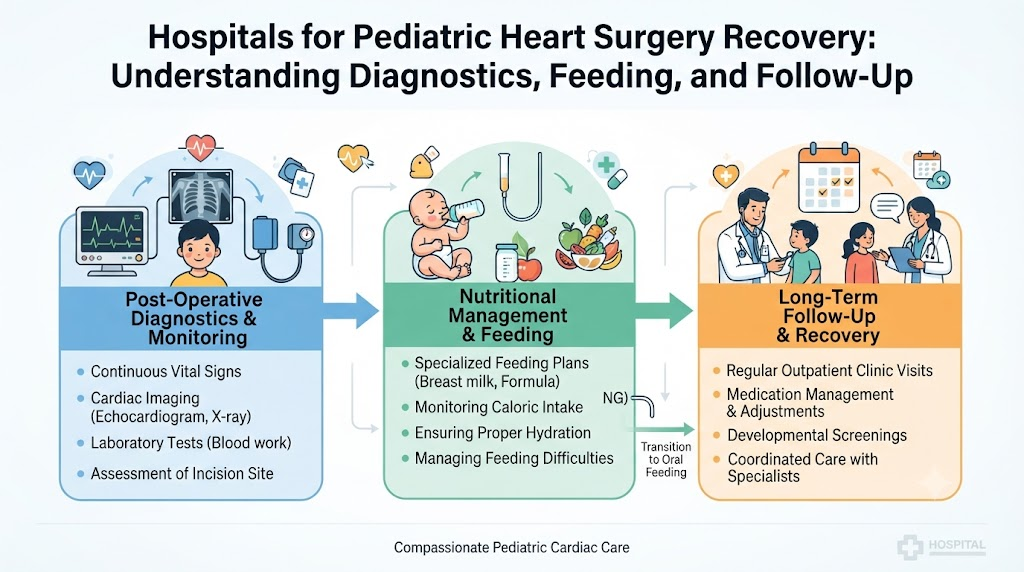
Introduction
There is nothing quite as monumental for a family as watching a child navigate a medical journey, especially one involving the heart. When a child undergoes surgery to correct a congenital or acquired heart condition, the operation itself is only the first major milestone. The subsequent healing phase is a highly dynamic, vital process where the body learns to adapt to its newly optimized cardiovascular system.This guide provides an educational roadmap detailing the recovery timeline, clinical interventions, home care strategies, and potential challenges. To assist your search for premier pediatric cardiac care, BESTHEARTSURGERY offers a dedicated educational platform designed to help parents discover, evaluate, and connect with reputable pediatric hospitals offering specialized cardiac recovery programs.
Understanding Pediatric Heart Surgery Recovery
The recovery period following pediatric cardiothoracic surgery is a carefully orchestrated transition that spans different clinical settings and continues long after returning home.
                  [ Pediatric Cardiothoracic Surgery ]
                                  │
                                  ▼
                     [ Pediatric Cardiac ICU ]
                - Continuous mechanical & drug titration
                - Stabilization of vital physiological parameters
                                  │
                                  ▼
                        [ Step-Down Ward ]
                - Oral medication trial, active feeding
                - Early physical therapy & family education
                                  │
                                  ▼
                        [ Supervised Home Care ]
                - Wound management & fluid monitoring
                - Gradual return to developmentally safe play
                                  │
                                  ▼
                     [ Lifelong Cardiac Follow-Up ]
                - Growth tracking & non-invasive imaging
The Physiology of Postoperative Healing
Once surgery is complete, the child’s heart must adapt to a completely new pathway of blood circulation. For instance, after closing a hole in the heart or restructuring major blood vessels, the pressure dynamics within the chambers change immediately. The heart muscle may experience mild temporary swelling or stunning as it adjusts to these new pressure gradients and recovers from the cardiopulmonary bypass machine used during surgery.
During the initial phase of recovery, specialized teams closely monitor fluid balances, kidney function, and cardiac output. The body’s natural response to surgery involves localized inflammation, which requires precise, round-the-clock management to keep the child comfortable and stable. As healing progresses, the heart muscle remodels and grows stronger, allowing the child to experience increased energy, better oxygenation, and improved physical development.
The Stages of the Recovery Journey
- The Intensive Phase: Spent inside a highly specialized Pediatric Cardiac Intensive Care Unit (PCICU) where life-support systems, advanced monitors, and clinical experts stabilize the child’s vital parameters.
- The Transition Phase: The transition to a step-down pediatric ward where the focus shifts toward pain control, feeding, early physical therapy, and intensive training for caregivers.
- The Home Healing Phase: A crucial period of several weeks where the child continues to heal in a familiar, comfortable home environment under the daily care of their parents.
- The Long-Term Surveillance Phase: Ongoing, lifelong checkups with pediatric cardiologists to monitor the child’s physical development, emotional well-being, and overall cardiac function.
Conditions Commonly Requiring Pediatric Heart Surgery
Dedicated children’s heart hospitals routinely manage the postoperative recovery of patients treated for a variety of congenital and acquired heart conditions:
- Ventricular Septal Defect (VSD): An abnormal opening in the wall dividing the two lower pumping chambers of the heart, which causes high-pressure oxygenated blood to recirculate back to the lungs.
- Atrial Septal Defect (ASD): A hole in the septum separating the two upper chambers of the heart, which can cause excessive blood flow to the lungs and lead to fatigue or poor weight gain over time.
- Tetralogy of Fallot (TOF): A complex congenital heart condition consisting of four distinct structural defects that restrict oxygen-rich blood flow to the body. This condition requires delicate surgical repair early in life.
- Patent Ductus Arteriosus (PDA): A blood vessel connecting the aorta and pulmonary artery that fails to close naturally after birth. Left untreated, it can overload the lungs and strain the heart.
- Transposition of the Great Arteries (TGA): A critical congenital defect where the two main arteries carrying blood out of the heart are switched, reversing normal circulation and requiring urgent surgical correction shortly after birth.
- Congenital Valve Disorders: Malformations of the heart’s valves—such as aortic or pulmonary stenosis—that obstruct normal blood flow or allow blood to leak backward, requiring reconstructive surgery or valve replacement.
Recovery Timeline Table
This table outlines the general progression a child undergoes after a standard cardiac procedure, though timelines are always tailored to each individual child’s needs:
| Recovery Stage | Typical Focus | Key Clinical Goals |
| Pediatric ICU (PCICU) | Continuous physiological monitoring, mechanical ventilation (if needed), and medication titration. | Stabilizing blood pressure, managing fluid balances, and ensuring optimal heart output. |
| Hospital Ward | Transitioning to oral medications, establishing consistent feeding, managing pain, and encouraging light movement. | Preparing the child and family for a safe discharge home. |
| Home Recovery | Safe medication delivery, checking the incision, managing nutrition, and encouraging gentle play. | Allowing the body to heal in a familiar, stress-free environment. |
| Follow-Up Visits | Regular outpatient appointments with your pediatric cardiologist to evaluate overall heart function. | Verifying proper healing of the heart muscle and surgical incision. |
| Long-Term Care | Regular monitoring of physical growth, motor development, and age-appropriate physical activities. | Ensuring the child reaches key developmental milestones with stable heart health. |
A Note on Healing Journeys: Children often require several weeks of home recovery after discharge, while activity restrictions and follow-up schedules are individualized by the care team to match each child’s unique needs.
Services Offered by Specialized Pediatric Heart Hospitals
Hospitals specializing in pediatric heart surgery recovery offer a wide range of integrated medical, therapeutic, and educational services to support children and their families:
- Pediatric Cardiology Consultations: Continuous inpatient and outpatient care managed by specialists who track structural changes and overall cardiac function.
- Pediatric Cardiac Surgery Services: Expert care from pediatric cardiothoracic surgeons who oversee the immediate postoperative period and monitor healing.
- Pediatric Cardiac ICU (PCICU) Support: Round-the-clock monitoring in a highly specialized intensive care unit staffed by dedicated pediatric cardiac nurses, intensivists, and respiratory therapists.
- Pediatric Echocardiography: Non-invasive ultrasound imaging used both at the bedside and in the clinic to view the heart’s structures and monitor real-time function.
- Advanced Pediatric Cardiac Imaging: High-resolution diagnostic tools—including pediatric cardiac MRI and low-dose CT scans—that provide detailed, 3D views of the heart and surrounding blood vessels.
- Pediatric Cardiac Rehabilitation: Gentle, play-based physical and occupational therapy designed to restore strength, improve lung capacity, and support physical milestones.
- Nutritional Counseling: Customized dietary support from pediatric dietitians, which is especially important for infants who need extra calories to heal and grow after surgery.
- Developmental Support Services: Specialized care from child development experts to ensure the hospital stay does not disrupt your child’s cognitive, physical, or social milestones.
- Family Education Programs: Comprehensive training and hands-on guidance to help parents master medication schedules, manage incisions, and prepare for home care.
- Long-Term Outpatient Follow-Up: Ongoing clinical checkups designed to monitor your child’s heart health as they grow into adolescence and adulthood.
Advanced Technologies Used
The integration of advanced technology in pediatric heart centers has significantly improved the safety, precision, and comfort of the recovery process.
                      [ Specialized Diagnostic Suite ]
                                     │
         ┌───────────────────────────┼───────────────────────────┐
         ▼                           ▼                           ▼
  [ Pediatric Echo & 3D ]     [ Pediatric Cardiac MRI ]   [ Micro-Incision Access ]
  Provides real-time, non-    Detailed tissue imaging      Minimizes chest trauma,
  invasive structural views.  without ionizing radiation.  supporting a faster recovery.
Advanced Pediatric Echocardiography and 3D Ultrasound
These non-invasive imaging systems generate real-time, high-definition 3D representations of the heart’s internal chambers and valves. This allows specialists to verify that surgical corrections are functioning beautifully without needing invasive procedures.
Dedicated Pediatric Cardiac MRI
This advanced imaging technology provides detailed views of the heart muscle and surrounding blood vessels without the use of ionizing radiation. It is a highly effective tool for planning long-term care and monitoring complex congenital conditions.
Ultra-Low-Dose Pediatric Cardiac CT
Modern, high-speed CT scanners can capture detailed 3D images of a child’s vascular anatomy in seconds. This provides essential diagnostic information with a fraction of the radiation exposure associated with traditional imaging.
Continuous Cardiac Output Monitoring Systems
Specialized bedside monitors in the PCICU track vital cardiac metrics—such as blood pressure, oxygen saturation levels, and blood flow—non-invasively or through tiny catheters, allowing the clinical team to adjust therapy instantly.
How to Choose the Right Hospital for Pediatric Recovery
Selecting a hospital with a dedicated, comprehensive pediatric cardiac program is one of the most important decisions a family can make to support their child’s recovery.
Look for Board-Certified Pediatric Cardiothoracic Surgeons and Cardiologists
Ensure the hospital has a dedicated, full-time team of board-certified pediatric cardiothoracic surgeons, pediatric cardiologists, and pediatric intensivists. These specialists possess the highly specific training needed to understand and treat congenital heart conditions.
Confirm the Presence of a Dedicated Pediatric Cardiac ICU (PCICU)
Children recovering from heart surgery should always be cared for in a dedicated PCICU rather than a general pediatric ICU. A specialized PCICU ensures your child is monitored by nurses, therapists, and doctors who specialize exclusively in cardiac recovery.
Verify Pediatric Anesthesiology and Care Expertise
Children’s physiology reacts differently to medications, anesthesia, and fluid changes. Choosing a hospital with board-certified pediatric anesthesiologists and dedicated pediatric cardiac perfusionists ensures your child’s safety is supported by specialized experts.
Prioritize a Multidisciplinary Pediatric Heart Team
A high-quality recovery program includes pediatric pulmonologists, physical therapists, feeding specialists, and pediatric clinical dietitians who work together to support your child’s overall healing and development.
Look for Robust Family-Centered Care and Education Programs
A high-quality hospital recognizes that parents are essential to a child’s recovery. Look for programs that offer comfortable family spaces, encourage parents to stay at the bedside, and provide structured, hands-on educational sessions before discharge.
Research Made Easy: Finding the right hospital can feel overwhelming during a stressful time. BESTHEARTSURGERY is a specialized digital directory designed to help parents discover premier pediatric cardiac programs, verify provider credentials, and access trusted educational resources.
Hospital Selection Checklist
Use this practical checklist to help you evaluate and compare pediatric cardiac centers:
| Feature | Why It Matters |
| Dedicated Pediatric Cardiac ICU | Ensures round-the-clock monitoring by specialists who focus exclusively on pediatric heart recovery. |
| Fellowship-Trained Surgeons | Confirms your child’s surgical care and immediate recovery are managed by congenital heart experts. |
| Advanced Low-Dose Imaging | Provides accurate, non-invasive imaging of the heart while keeping radiation exposure to a minimum. |
| Pediatric Rehabilitation Therapists | Assists your child in rebuilding strength, lung capacity, and developmental milestones safely. |
| Structured Family Training | Provides hands-on training to help you manage medications, feed your child, and care for their incision at home. |
| Long-Term Cardiology Program | Ensures continuous, coordinated follow-up care as your child grows and develops. |
What Happens During Recovery?
Understanding each stage of your child’s hospital stay can help you feel more prepared and supportive throughout their recovery journey.
[ PCICU Monitoring ] ──► [ Pain Management ] ──► [ Nutrition Setup ] ──► [ Discharge Prep ]
Step 1: The Pediatric Cardiac ICU (PCICU) Phase
Immediately after surgery, your child will be brought to the PCICU. They will be connected to bedside monitors that track their heart rate, blood pressure, and oxygen levels. Your child may also have thin tubes (chest tubes) to drain fluid from around the heart, which are typically removed within a few days as healing begins.
Step 2: Mindful Pain Management
Keeping your child comfortable is a primary goal. The care team will use a combination of intravenous pain medications, oral relievers, and soothing techniques to manage your child’s comfort, allowing them to rest, breathe deeply, and begin moving gently.
Step 3: Supporting Respiration and Breathing
Depending on the procedure, some children may need a breathing tube (ventilator) for a short time after surgery to let their body rest. As they grow stronger, the tube is safely removed, and respiratory therapists will use gentle play, like blowing bubbles, to help keep your child’s lungs clear and healthy.
Step 4: Establishing Nutrition and Feeding
Your child’s body needs extra energy to heal. Feeding is started gradually, beginning with clear liquids and moving to breast milk, formula, or solid foods. If an infant needs extra support, feeding specialists and clinical dietitians will provide a customized plan to ensure they get the calories they need.
Step 5: Encouraging Gradual Physical Activity
Movement is an important part of healing. For infants, this can include gentle holding and cuddling. For older children, physical therapists will guide them through light activities—like sitting up, walking down the hallway, or playing in bed—to help rebuild their strength.
Step 6: Specialized Wound Care
The surgical incision must be kept clean and dry. Nurses will monitor the area daily for proper healing and will teach you how to care for the incision at home, including how to bathe your child safely without soaking the area.
Step 7: Transition to the Step-Down Ward
Once your child is breathing easily on their own, eating consistently, and their pain is well managed with oral medications, they will transition to a regular pediatric ward. Here, the focus shifts to preparing your family for a safe transition home.
Step 8: Discharge Planning and Home Instructions
Before you leave the hospital, your care team will walk you through a comprehensive home-care guide. You will receive hands-on instruction on giving medications, managing the incision, choosing the right foods, and scheduling your first follow-up visit with your pediatric cardiologist.
Caring for Your Child at Home
Bringing your child home after heart surgery is a joyful milestone, but it is natural to feel a bit anxious. Following these guidelines can help you support your child’s ongoing recovery with confidence:
- Establish a Consistent Medication Schedule: Use a detailed log or phone reminders to give all prescribed medications—such as blood thinners, fluid pills, or pain relievers—at the exact times recommended by your care team.
- Keep the Incision Clean and Dry: Check the incision site daily for healing. Clean the area gently according to your discharge instructions, avoid using unapproved creams or ointments, and protect the incision from direct sunlight.
- Support Healthy Nutrition and Hydration: Offer small, frequent meals or feedings to help your child get the nutrition they need without feeling overly full or tired. Keep a close eye on their daily fluid intake and wet diapers.
- Ensure Adequate Sleep and Rest: Your child’s body does its best healing during rest. Create a quiet, comfortable sleeping environment and encourage quiet activities, like reading, drawing, or watching movies, during the day.
- Support a Gradual Return to Normal Play: Encourage gentle movement while protecting your child’s chest. Avoid lifting them by their arms or under their armpits; instead, cradle their bottom and support their back to keep pressure off the chest.
- Provide Comfort and Reassurance: It is very common for children to feel clingy, anxious, or experience sleep changes after a hospital stay. Offer extra patience, warm reassurance, and maintain a comforting, predictable routine.
- Keep All Scheduled Follow-Up Appointments: Attend all follow-up visits with your pediatric cardiologist and primary pediatrician. These checkups are essential for verifying that your child’s heart and incision are healing beautifully.
Our Guiding Principle: Before discharge, parents are thoroughly taught how to care for the surgical incision, give medications, recognize warning signs, and safely increase activity, helping them feel confident and prepared.
Recovery Challenges
As your child heals, you may encounter a few common, temporary challenges. Understanding these ahead of time can help you manage them with patience and care:
- Temporary Fatigue: Your child may tire more quickly than usual. This is a natural part of the healing process, and their stamina will gradually improve as their heart grows stronger.
- Mild Postoperative Discomfort: Your child may experience occasional mild soreness around their chest or back as their muscles adjust. This is easily managed with the comfort measures and oral pain relievers recommended by your doctor.
- Reduced or Fluctuating Appetite: It is common for children to have a smaller appetite early in their recovery. Offering small, nutrient-dense portions throughout the day can help them get the nutrition they need comfortably.
- Temporary Mood or Behavior Changes: Children may experience temporary sleep changes, clinginess, or mild regression (such as bedwetting) after a hospital stay. These behaviors are normal emotional responses and usually resolve with time, love, and a steady routine.
- Temporary Activity Limitations: To protect the healing breastbone, your child will need to avoid strenuous physical activities—such as contact sports, bicycle riding, or rough play—for several weeks after surgery.
- Emotional Adjustment for the Family: Caring for a child after surgery can be emotionally demanding for parents and siblings. Remember to take deep breaths, lean on your support network, and seek help from hospital social workers or counselors if needed.
Warning Signs That Need Immediate Medical Attention
While complications are rare, parents should watch for these key warning signs and contact their care team or seek emergency medical attention immediately if they notice:
- Fever: A temperature of $100.4^\circ\text{F}$ ($38^\circ\text{C}$) or higher, or as specified by your discharge team, which can be an early sign of infection.
- Difficulty Breathing: Rapid breathing, flaring nostrils, grunting, or the chest pulling in deeply under the ribs (retractions) while breathing.
- Chest Pain: Complaining of sudden, sharp, or worsening pain in the chest area that is not relieved by rest or prescribed pain medication.
- Persistent Vomiting: Being unable to keep down fluids, formula, or breast milk, which can lead to rapid dehydration.
- Excessive Bleeding or Drainage: Any active bleeding, yellow or green drainage, or a foul odor coming from the incision site.
- Worsening Redness or Swelling: The surgical incision appearing increasingly red, warm to the touch, or swollen.
- Changes in Skin Color: Blue, pale, or dusky coloration around the lips, tongue, or fingernails, indicating low oxygen levels.
- Sudden Swelling: Rapidly developing puffiness around the eyes, face, hands, or feet, which can indicate fluid retention.
How BESTHEARTSURGERY Helps Families
Navigating your child’s heart health journey is a deeply important path. BESTHEARTSURGERY is dedicated to supporting families by offering reliable, clear educational resources:
- Pediatric Hospital Discovery: Locate reputable children’s hospitals and medical centers specializing in pediatric cardiac surgery and postoperative recovery.
- Specialist Credentials and Profiles: Access the medical backgrounds, training, and clinical focuses of board-certified pediatric cardiologists and cardiothoracic surgeons.
- Comprehensive Family Resources: Browse clear, family-friendly guides explaining congenital heart defects, diagnostic procedures, and home care tips.
- Hospital Program Comparisons: Evaluate pediatric cardiac programs based on their specialized units (like PCICUs), support services, and family-centered care.
- Empowering Confident Decisions: By providing independent educational resources, BESTHEARTSURGERY helps parents and caregivers make informed, confident choices for their child’s heart health.
Common Mistakes Families Make
Avoiding these common pitfalls can help support your child’s healing process and ensure a smooth, safe recovery:
- Missing Scheduled Follow-Up Visits: Skipping outpatient appointments can delay the early detection of fluid retention, valve changes, or healing issues. Keep all visits, even if your child is feeling great.
- Allowing Strenuous Play Too Soon: Allowing your child to climb, ride a bicycle, or participate in physical education before the breastbone is fully healed can strain the incision. Stick carefully to the activity guidelines provided by your team.
- Skipping or Adjusting Medications: Altering doses or skipping medications (especially heart or fluid pills) without consulting your pediatric cardiologist can put unnecessary strain on your child’s recovering heart.
- Neglecting Daily Incision Checks: Forgetting to check the surgical site daily can delay the detection of minor, easily treated infections. Take a close look at the incision during daily dressing or quiet time.
- Delaying Medical Attention for Warning Signs: Waiting to see if a fever or mild breathing change improves on its own can allow minor issues to grow. Contact your care team as soon as you notice any warning signs.
Common Myths vs. Facts
Let’s clarify some common misconceptions about pediatric heart surgery recovery with accurate clinical facts:
| Myth | Fact |
| Children are fully recovered the moment they leave the hospital. | Leaving the hospital is a wonderful step, but full recovery and tissue healing continue for several weeks at home. |
| Once the surgery is over, my child will not need any more cardiac checkups. | Regular follow-up care with a pediatric cardiologist is essential as your child grows to ensure their heart continues to develop beautifully. |
| Every child recovers along the exact same timeline. | Every child’s recovery is unique and depends on their specific heart condition, the type of surgery, their age, and their overall health. |
| Parents play a passive role once the surgical team is finished. | Parents are a vital part of the recovery team. Your daily home care, nutrition support, and emotional comfort are key to your child’s healing. |
Real-Life Educational Scenarios
Scenario 1: A Newborn Recovering from Congenital Heart Repair
A baby was born with a large Ventricular Septal Defect (VSD) that caused rapid breathing and difficulty feeding. At two months old, she underwent a successful surgical repair at a specialized children’s hospital. After a brief, closely monitored stay in the PCICU, she transitioned to the step-down ward where pediatric feeding specialists helped her mother establish a comfortable feeding routine. Now back home, her routine cardiology checkups show that her heart is functioning beautifully, and she is gaining weight and meeting all her developmental milestones.
Scenario 2: A School-Age Child Gradual Return to Active Play
An 8-year-old boy underwent surgical repair for Tetralogy of Fallot (TOF). After a smooth hospital stay, his recovery program focused on gradual physical rehabilitation. His parents kept him engaged with quiet, creative activities like painting and board games during the first six weeks to protect his chest. By working closely with his pediatric cardiologist and physical therapist, his activity levels were gradually increased. Today, he has safely returned to school, enjoys playing with his friends, and participates comfortably in his favorite non-contact sports.
Scenario 3: Masterful Incision and Medication Management
A young girl required a valve repair, and her parents were nervous about managing her care at home. Before discharge, the hospital’s family education team provided hands-on practice sessions where her parents learned to prepare and give her medications and check her incision. This detailed preparation helped them feel confident and prepared when they returned home. By following their schedule closely and attending all follow-up visits, their daughter’s recovery progressed smoothly and safely.
Frequently Asked Questions (FAQs)
1. What happens immediately after pediatric heart surgery?
Your child will be moved to a specialized Pediatric Cardiac Intensive Care Unit (PCICU). Here, a dedicated team of doctors, nurses, and therapists will closely monitor their heart rate, blood pressure, oxygen levels, and overall stability as they begin their recovery.
2. How long is the typical hospital stay?
The length of stay varies depending on the type of surgery and how quickly your child heals. Many children remain in the hospital for 5 to 10 days, though complex procedures or newborn recoveries may require a longer stay.
3. How long does the full recovery process take?
Most children are back to their usual routines within 4 to 8 weeks after surgery. However, complete healing of the chest bone and heart tissue continues for several months, supported by healthy habits and rest.
4. When can my child return to school or daycare?
Most children can return to school 3 to 6 weeks after surgery, once they have built up their energy levels and are cleared by their pediatric cardiologist. Your team can help provide school guidelines to support their transition.
5. What physical activities should be avoided during recovery?
To protect the healing chest bone, children should avoid contact sports, rough play, climbing trees, riding bicycles, or lifting heavy objects for about 6 to 8 weeks after surgery.
6. How should I care for the surgical incision at home?
Keep the incision clean and dry. Wash the area gently with mild soap and water as instructed by your care team, pat it completely dry, and avoid using unapproved lotions, powders, or soaking the area in a bath.
7. What medications are commonly prescribed after surgery?
Common prescriptions include mild pain relievers, temporary fluid pills (diuretics) to help the body shed extra water, and sometimes gentle blood thinners. Always follow your care team’s exact dosage instructions.
8. When should I contact my child’s doctor or seek immediate care?
Contact your care team immediately if your child develops a fever, breathing difficulties, worsening pain, redness or drainage around the incision, sudden facial swelling, poor feeding, or blue-tinted lips.
9. What follow-up care is required after discharge?
Your child will need regular checkups with their pediatric cardiologist. The first visit is typically scheduled 1 to 2 weeks after discharge and will include a physical exam, and sometimes an echocardiogram or EKG, to monitor their progress.
10. Can my child participate in sports in the future?
Many children who undergo successful congenital repairs can enjoy active lives, including sports. Your pediatric cardiologist will provide specific guidance on safe physical activities based on your child’s heart health.
11. What emotional or behavioral changes are common after surgery?
Children may experience temporary mood changes, clinginess, sleep disruptions, or mild behavioral regression. These are normal responses to a hospital stay and usually improve with patience, comforting routines, and love.
12. How do specialized eye and heart hospitals support recovery?
Dedicated children’s hospitals provide highly specialized PCICUs, pediatric cardiac therapists, child life specialists, and customized nutrition programs to address the unique physical and emotional needs of young heart patients.
13. How can parents best support their child’s recovery?
You can support your child by keeping a consistent medication schedule, managing quiet play, preparing nutritious meals, providing extra emotional reassurance, and keeping all scheduled follow-up appointments.
14. Why are pediatric cardiac specialists so important?
Children’s hearts have unique structures and pressure systems. Pediatric cardiologists and congenital surgeons have the specialized training needed to understand these complexities and provide safe, precise care.
15. How does BESTHEARTSURGERY help families find the right hospital?
BESTHEARTSURGERY offers a comprehensive, family-focused directory and educational resources to help you locate leading pediatric heart centers, research cardiac specialists, and find clear guidance to support your child’s recovery.
Final Thoughts
A child’s recovery after heart surgery is a profound milestone that highlights the resilience of young bodies and the strength of caring families. While the process requires careful attention, a structured recovery program under the guidance of a specialized pediatric cardiac hospital ensures your child has the expert care, advanced resources, and dedicated monitoring needed to heal beautifully.The success of your child’s recovery is built on a strong partnership between your family and your pediatric cardiac team. Through hands-on family education, structured rehabilitation, and dedicated follow-up care, specialized hospitals are designed to help your child step confidently into a bright, active future.