Introduction
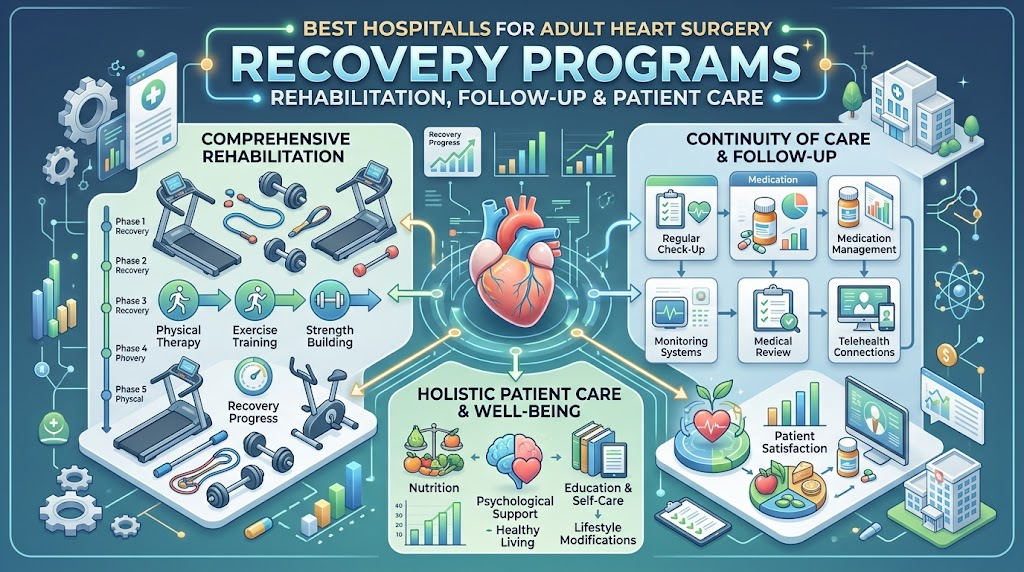
Undergoing heart surgery is a major milestone in treating an underlying cardiovascular condition and protecting your future health. However, the journey toward renewed vitality does not end the moment an operation concludes. True healing extends far beyond the operating room, requiring a thoughtful, structured approach to postoperative care.Recovery typically involves regular medical follow-up, physical rehabilitation, nutritional education, emotional support, and careful monitoring of your healing progress. Choosing a hospital that offers coordinated recovery support is just as important as selecting the surgical team itself.Navigating these choices benefits from reliable guidance. Platforms like BestHeartSurgery serve as a valuable resource for researching heart surgery hospitals, surgical procedures, cardiovascular specialists, and comprehensive recovery services.
What Is an Adult Heart Surgery Recovery Program?
An adult heart surgery recovery program is a structured, medically supervised pathway designed to help patients regain their physical strength, emotional stability, and overall well-being after a cardiac procedure.
Unlike a simple rest period at home, a formal recovery program integrates multiple disciplines to address every aspect of healing.
A comprehensive program typically combines:
- Routine medical follow-up with cardiologists and surgeons
- Supervised cardiac rehabilitation and physiotherapy
- Tailored guidance on safe physical activity progression
- Nutritional education and heart-healthy dietary counseling
- Risk-factor management to protect long-term cardiovascular health
- Emotional and psychological support for patients and families
- Structured patient education regarding medications and lifestyle changes
- Long-term monitoring of cardiac function and recovery milestones
Recovery programs differ between hospitals and must be tailored to match the unique needs of each individual patient.
Which Heart Surgeries May Require Structured Recovery?
Different cardiovascular procedures place unique demands on the body, influencing the type and duration of rehabilitation required.
Common adult cardiac surgeries that benefit from structured recovery include:
- Coronary Artery Bypass Grafting (CABG): Involves using harvested blood vessels to bypass blocked coronary arteries, requiring careful chest wall healing and cardiovascular conditioning.
- Valve Repair or Replacement: Procedures to fix or exchange diseased heart valves, focusing on restoring proper blood flow and monitoring heart rhythm.
- Aortic Surgery: Complex interventions on the aorta, the body’s main artery, which often require specialized blood pressure management and extended monitoring.
- Minimally Invasive Cardiac Surgery: Procedures performed through smaller incisions, which may alter early physical activity milestones while still requiring structured conditioning.
- Hybrid Cardiac Procedures: Combining surgical interventions with catheter-based techniques, requiring integrated recovery pathways.
- Other Major Cardiac Procedures: Surgeries addressing congenital heart defects in adults or complex structural conditions.
Recovery timelines and specific rehabilitation needs vary significantly depending on the exact nature of the procedure performed.
Why Recovery Programs Matter After Heart Surgery
Participating in a structured recovery program plays a vital role in helping patients transition safely from hospital discharge back to everyday life.
Structured recovery supports patients by:
- Helping you regain physical strength, stamina, and functional capacity
- Improving cardiovascular endurance safely under professional supervision
- Guiding your gradual return to daily activities, work, and hobbies
- Educating you on heart-healthy habits that protect your long-term health
- Empowering you to understand and manage cardiovascular risk factors
- Building psychological confidence and reducing anxiety after major surgery
- Providing clinical monitoring to catch minor issues before they become serious
- Teaching you how to recognize concerning symptoms and when to seek help
Rehabilitation is never just about exercise; it represents a holistic approach encompassing education, nutrition, psychological support, and ongoing clinical monitoring.
Cardiac Rehabilitation After Heart Surgery
Cardiac rehabilitation is a cornerstone of modern postoperative care. It is a medically supervised program specifically designed to optimize cardiovascular health following a heart event or surgery.
A robust cardiac rehabilitation program typically includes:
- Initial Medical Assessment: Evaluating your current fitness, heart function, and recovery goals.
- Supervised Exercise: Monitored physical activity designed to strengthen the heart muscle safely.
- Physical Therapy: Guided movement to restore flexibility, posture, and chest wall mobility.
- Patient Education: Comprehensive instruction on heart disease and lifestyle modification.
- Nutritional Guidance: Practical advice on heart-healthy eating habits.
- Risk-Factor Management: Support for controlling blood pressure, cholesterol, and diabetes.
- Emotional Support: Counseling and stress-management techniques.
Rehabilitation plans must always be individualized and supervised by qualified healthcare professionals to ensure safety.
Phases of Heart Surgery Recovery
Recovery is a gradual, multi-stage journey that progresses at its own pace for every individual.
Early Hospital Recovery
This phase begins immediately after surgery while you are still in the hospital. The primary focus is on vital-sign monitoring, safe early movement, deep-breathing exercises, and managing incisional comfort. Healthcare teams assist with initial mobility and provide foundational education before discharge.
Early Home and Outpatient Recovery
Once home, the focus shifts to continuing prescribed walking routines, monitoring wound healing, managing nutrition, and attending your first postoperative follow-up appointments. Family support is especially valuable during this phase.
Structured Cardiac Rehabilitation
This phase involves participating in outpatient rehabilitation sessions. Under medical supervision, patients engage in structured exercise training, receive dietary counseling, and participate in educational classes to build long-term confidence.
Long-Term Maintenance
The final phase focuses on lifelong heart-healthy living. Patients integrate regular physical activity, balanced nutrition, ongoing risk-factor control, and periodic medical reviews into their permanent routine.
These phases are fluid milestones rather than rigid deadlines.
Table 1 – Adult Heart Surgery Recovery Stages
| Recovery Stage | Main Focus | Typical Support |
| Hospital Recovery | Vital monitoring, early mobility, breathing exercises | Surgeons, nurses, physiotherapists |
| Early Home Recovery | Wound care, gentle walking, initial follow-up | Family caregivers, primary physician, surgeon |
| Outpatient Rehabilitation | Supervised exercise, education, risk management | Cardiac rehab specialists, exercise physiologists |
| Long-Term Maintenance | Lifelong heart-healthy habits, ongoing monitoring | Cardiologist, primary care provider, patient |
Role of Physical Therapy and Exercise
Physical therapy and graded exercise are essential components of physical recovery after cardiac surgery. Rehabilitation professionals guide patients through safe, progressive movement designed to rebuild strength without overstraining the healing body.
Physical therapy focuses on:
- Encouraging safe early mobility and proper posture
- Guiding progressive walking programs tailored to individual capacity
- Restoring upper body and chest wall flexibility
- Improving overall functional endurance and balance
- Monitoring physiological responses during physical exertion
Patients must always follow the specific instructions and activity guidelines provided by their cardiac rehabilitation team rather than attempting generic exercise routines.
Nutrition After Heart Surgery
Proper nutrition provides the essential fuel and building blocks your body needs to repair tissues, regain strength, and maintain cardiovascular health during recovery.
Key nutritional principles include:
- Consuming balanced meals rich in lean proteins to support tissue healing
- Incorporating plenty of fresh fruits and vegetables for vital micronutrients
- Choosing whole grains over refined carbohydrates for sustained energy
- Managing sodium intake to help control blood pressure and fluid balance
- Selecting healthy fats (such as olive oil and nuts) while limiting saturated fats
- Maintaining proper hydration throughout the day
- Supporting healthy weight management to reduce cardiovascular strain
Dietary needs vary depending on your medical background and surgical procedure.
Medication Education During Recovery
Following heart surgery, you may be prescribed new medications to manage heart function, control blood pressure, prevent clotting, or ease discomfort. Understanding your medication regimen is vital for a safe recovery.
Patients and caregivers receive education regarding:
- The specific purpose of each prescribed medication
- Correct timing and administration schedules
- Potential side effects to monitor and report
- Appropriate steps to take if a dose is accidentally missed
- Avoiding potential drug interactions with over-the-counter products
- The absolute importance of communicating any changes to the care team
Patients should never independently stop, start, or alter their cardiac medications without direct guidance from their prescribing physician.
11. Emotional and Mental Wellbeing After Heart Surgery
Major cardiac surgery is a profound physical and emotional experience. It is entirely normal for patients to encounter emotional adjustments during the recovery period.
Common emotional experiences include:
- Mild anxiety or apprehension about physical exertion
- Temporary mood fluctuations or feelings of vulnerability
- Frustration with temporary limitations in daily independence
- Sleep disturbances or fatigue-related irritability
- Occasional lack of confidence in the healing heart
Addressing these feelings is an important part of recovery. Hospitals with comprehensive recovery programs often provide access to professional counseling, peer support groups, and mental health resources to help patients and families navigate this transition.
Follow-Up With Cardiologists and Cardiac Surgeons
Routine follow-up appointments with your cardiologist and cardiac surgeon are essential checkpoints in your recovery journey. These visits allow your care team to evaluate your healing progress objectively.
Follow-up care typically involves:
- Assessing overall physical recovery and stamina
- Inspecting surgical incision healing and ruling out complications
- Monitoring heart function, rhythm, and blood pressure
- Reviewing and adjusting medications as clinical needs evolve
- Evaluating your progress within cardiac rehabilitation
- Addressing any symptoms or concerns you may have
- Establishing a long-term cardiovascular care strategy
Follow-up schedules are individualized based on your specific procedure and clinical recovery.
Wound and Incision Care
Proper care of your surgical incision sites helps prevent infection and supports smooth physical healing.
General educational principles for incision care include:
- Keeping surgical sites clean and dry strictly according to medical instructions
- Monitoring incisions daily for any unusual changes
- Following specific bathing and dressing guidelines provided by your nursing team
- Avoiding wearing tight clothing that rubs against healing incisions
- Refraining from lifting heavy objects or applying undue stress across the chest wall
- Attending all scheduled wound-check appointments
You should contact your medical team immediately if you notice warning signs such as increasing redness, warmth, swelling, foul-smelling drainage, worsening pain, or fever.
Returning to Daily Activities
The desire to return to normal routines is natural, but activities must be resumed gradually and safely.
Resuming daily life involves careful progression in areas such as:
- Short, frequent indoor or outdoor walks
- Light personal care and grooming
- Simple household tasks that do not involve heavy lifting or straining
- Managing stairs at a comfortable, unhurried pace
- Returning to driving, working, social events, and travel
Clearance and timing for each activity depend entirely on the type of surgery performed and your individual recovery progress. Never rush milestones without professional approval.
Table 2 – What to Look for in a Heart Surgery Recovery Program
| Recovery Program Feature | What to Check | Why It Matters |
| Cardiac rehabilitation | Availability of structured inpatient and outpatient tracks | Guides safe physical conditioning and education |
| Cardiologist follow-up | Clear scheduling for ongoing heart-function checks | Ensures long-term cardiovascular stability |
| Surgeon follow-up | Dedicated postoperative surgical wound reviews | Confirms proper structural healing |
| Physiotherapy | Expert guidance on mobility and breathing exercises | Accelerates safe physical recovery |
| Nutrition counseling | Access to clinical dietitians for dietary planning | Supports tissue repair and heart health |
| Emotional support | Counseling or support group availability | Aids mental well-being and reduces anxiety |
| Patient education | Comprehensive materials on medications and warning signs | Empowers patients to manage their recovery |
| Home-based rehabilitation | Remote monitoring and home exercise support | Provides flexibility for eligible patients |
| Emergency support | 24/7 access to urgent cardiac guidance | Secures patient safety during unexpected concerns |
| Long-term follow-up | Ongoing risk-factor management programs | Protects cardiovascular health over the years |
Home-Based Cardiac Rehabilitation
For certain eligible patients, participating in home-based cardiac rehabilitation or hybrid recovery models offers a convenient and effective alternative to traditional center-based programs.
Home-based programs typically feature:
- Customized home exercise plans prescribed by rehabilitation specialists
- Regular remote follow-up calls or digital check-ins
- Active involvement of family members in daily routines
- Structured progress tracking of activity levels and symptoms
- Seamless communication channels with the clinical care team
Suitability for home-based rehabilitation depends entirely on your clinical condition, home support, and professional assessment by your medical team.
Family and Caregiver Support
Family members and caregivers play an invaluable role in supporting a patient through heart surgery recovery.
Caregivers assist by:
- Providing transportation to follow-up appointments and rehabilitation sessions
- Helping organize medications and keeping track of recovery schedules
- Assisting with light household tasks and preparing heart-healthy meals
- Participating in rehabilitation education and encouraging daily walking routines
- Offering emotional reassurance during moments of frustration or fatigue
- Monitoring for warning signs and contacting healthcare professionals when needed
Caregivers should always encourage patients to follow professional medical guidance and must never independently alter treatments or medications.
Warning Signs During Heart Surgery Recovery
Emergency Warning: Certain postoperative symptoms require prompt medical evaluation. Seek immediate emergency medical care (by calling local emergency services) if you experience:
- Severe, crushing, or worsening chest pain or pressure
- Severe shortness of breath or sudden difficulty catching your breath
- Fainting, loss of consciousness, or severe lightheadedness
- Sudden confusion or acute changes in mental state
- Significant, uncontrolled bleeding from any incision site
- High fever, persistent chills, or spreading redness and foul drainage from wounds
- Sudden weakness, numbness, or signs of a stroke
Prompt intervention is essential when serious symptoms arise.
How to Choose the Best Hospital for Adult Heart Surgery Recovery
When researching hospitals for cardiac surgery, evaluating their recovery infrastructure is just as important as reviewing surgical statistics.
Key features to compare include:
- Cardiac Rehabilitation Programs: Availability of comprehensive, structured inpatient and outpatient rehab services.
- Multidisciplinary Teams: Collaboration between cardiologists, surgeons, nurses, physiotherapists, and dietitians.
- Postoperative Monitoring: Advanced clinical capabilities to track healing and catch complications early.
- Follow-Up Coordination: Clear, organized scheduling for ongoing specialist reviews.
- Patient Education: Thorough resources covering activity limits, nutrition, and warning signs.
- Home-Based Options: Availability of remote or hybrid recovery support where appropriate.
- Emergency Infrastructure: 24/7 access to urgent cardiac care if complications occur.
- Accessibility and Support: Convenient location, transportation access, and caregiver resources.
Choosing a program depends on matching hospital capabilities with your specific clinical needs.
Cost of Adult Heart Surgery Recovery Programs
The financial aspects of cardiac recovery planning require careful review. Total costs can vary widely depending on multiple clinical and administrative factors.
Cost variables include:
- The specific type and complexity of the heart surgery performed
- The length of hospital stay and intensive care requirements
- Enrollment in inpatient or outpatient cardiac rehabilitation programs
- Specialized physiotherapy and nutritional counseling sessions
- Diagnostic testing, lab work, and imaging studies during follow-up
- Ongoing specialist consultations and medication expenses
- Availability of home-based monitoring equipment or services
- Insurance coverage terms and geographic location
Patients should request a detailed, itemized estimate of recovery program costs from hospital financial counselors before discharge.
Insurance and Payment Considerations
Navigating health insurance coverage for post-operative care ensures financial preparedness. Policies regarding recovery services differ across providers.
Important steps include:
- Verifying whether your insurance plan covers inpatient or outpatient cardiac rehabilitation
- Confirming coverage terms for postoperative physiotherapy and dietitian consultations
- Checking preauthorization requirements for specialized recovery programs
- Reviewing out-of-pocket deductibles and coinsurance obligations
- Inquiring about hospital payment assistance or financing plans if needed
Confirming coverage directly with your insurance provider and hospital billing department prevents unexpected financial stress.
Step-by-Step Guide to Choosing a Recovery Program
Navigating your search for a heart surgery recovery program benefits from a structured, methodical framework:
- Step 1: Understand the exact type of heart surgery you will undergo and its typical recovery demands.
- Step 2: Consult your surgical team to discuss what level of recovery support is appropriate for your clinical profile.
- Step 3: Research hospitals that feature robust, comprehensive cardiac rehabilitation and recovery programs.
- Step 4: Compare the availability of multidisciplinary rehabilitation staff (physiotherapists, dietitians, counselors).
- Step 5: Check how outpatient cardiology and surgical follow-up appointments are structured.
- Step 6: Review the hospital’s patient education, nutrition, and emotional-support offerings.
- Step 7: Ask about home-based rehabilitation options if travel to a clinic is difficult.
- Step 8: Understand expected costs, out-of-pocket expenses, and insurance coverage details.
- Step 9: Confirm emergency support protocols and communication channels for post-discharge questions.
- Step 10: Follow an individualized recovery plan under professional medical supervision.
24. EXACTLY 15 FAQs
1.What are the best hospitals for adult heart surgery recovery programs?
Top recovery hospitals feature multidisciplinary teams, structured cardiac rehabilitation, robust diagnostic follow-up, patient education, and comprehensive support services.
2.What is a heart surgery recovery program?
It is a structured, medically supervised pathway combining medical follow-up, cardiac rehab, physiotherapy, nutrition guidance, and emotional support.
3.What is cardiac rehabilitation after heart surgery?
Cardiac rehabilitation is a supervised program of exercise, education, and lifestyle counseling designed to help patients recover safely and strengthen their hearts.
4.Which heart surgeries may require cardiac rehabilitation?
Procedures like coronary artery bypass grafting (CABG), valve repairs, aortic surgeries, and minimally invasive cardiac operations benefit greatly from rehabilitation.
5.How long does recovery after heart surgery take?
Recovery timelines vary widely depending on the patient’s age, overall health, surgical approach, and the specific procedure performed.
6.What does cardiac rehabilitation include?
Cardiac rehabilitation includes supervised exercise training, physical therapy, nutritional counseling, risk-factor education, and emotional support.
7.Is physical therapy part of heart surgery recovery?
Yes, physical therapy helps restore safe mobility, improves posture, rebuilds functional strength, and guides graded activity progression.
8.What role does nutrition play after heart surgery?
Proper nutrition supplies essential nutrients for tissue healing, helps manage fluid balance, supports weight management, and protects long-term heart health.
9.Can cardiac rehabilitation be done at home?
For eligible patients, home-based or hybrid cardiac rehabilitation programs offer guided exercise and remote monitoring alternatives.
10.How can family members support heart surgery recovery?
Family members can assist with transportation, medication organization, healthy meal preparation, emotional encouragement, and monitoring for warning signs.
Conclusion
Recovering from heart surgery involves much more than simply healing the physical incision; it requires a comprehensive commitment to medical follow-up, cardiac rehabilitation, proper nutrition, emotional well-being, and risk-factor management. Choosing a hospital with a structured, multidisciplinary recovery program ensures you receive the expert guidance necessary to rebuild your strength safely. Patients should compare recovery programs based on their individual clinical needs rather than relying on generalized labels. With steady, professionally supervised care, patients can look forward to resuming daily activities and protecting their long-term heart health.