Introduction
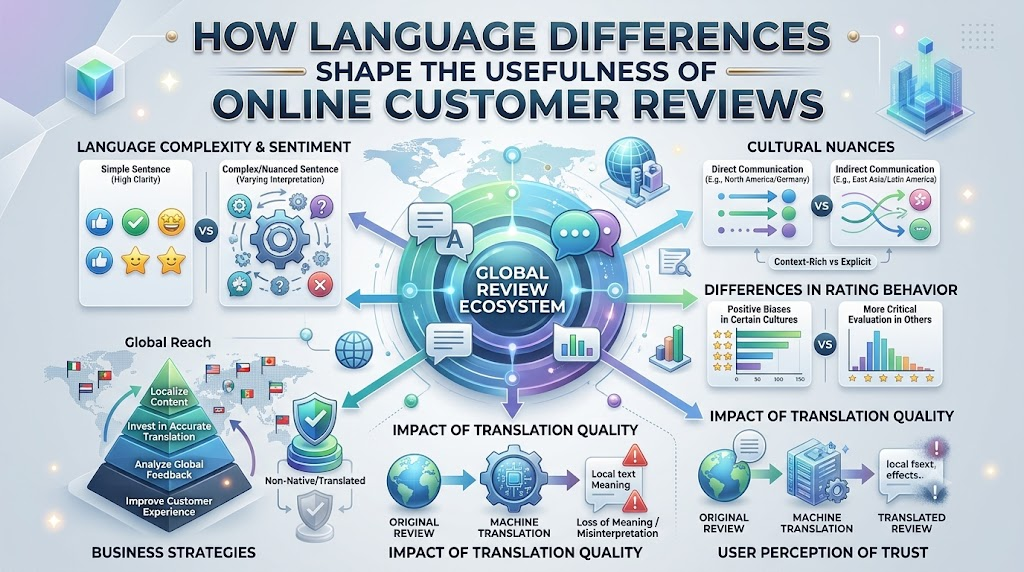
Online reviews help people understand products and services before making decisions. However, the language used in a review can affect how useful its information becomes. A detailed experience may lose meaning when it contains unclear words, regional expressions, or poor translations. This can make it harder for readers to understand the real advantages and limitations of an offering.
India has many languages and different ways of communicating. A customer may write a review in Hindi, English, Bengali, Tamil, or another language. Another reader may not understand that language, even when the experience is highly relevant. This creates a challenge for online review platforms. Useful Product Reviews India should make information easier to understand without changing the meaning of the original experience.
Platforms such as iReviewed can help consumers explore feedback, compare alternatives, and understand different experiences. Clear language practices can make Customer Reviews and Ratings more accessible to a wider audience.
Why Language Matters in Online Reviews
Language carries more than basic information. It also communicates personal experience, expectations, and context. A short phrase can have different meanings depending on the region or situation.
For example, a customer may describe a household appliance as difficult to operate using a regional expression. A direct translation might suggest that the appliance is physically complicated. The original writer may only mean that its controls are unfamiliar.
This difference matters when readers use Product Reviews India to compare alternatives. Misunderstood feedback can create an inaccurate impression of a product.
Clear communication helps readers identify important details, including:
- What the customer purchased or used.
- How the product or service performed.
- Which features were useful.
- What problems appeared during use.
- Whether the experience matched the customer’s expectations.
Good Customer Reviews and Ratings should preserve these details. Simple language makes the information easier to understand without removing the writer’s personal experience.
Regional Expressions Can Change the Meaning
People often use expressions that are common in their local communities. These expressions may not have an exact meaning in another language.
A customer might use a familiar regional phrase to describe slow performance, uncomfortable handling, or poor service. A translation system may replace it with a stronger or weaker expression.
This can change the tone of the review.
Consider a customer who says that a product is not suitable for everyday use. A careless translation could make the statement sound like a serious product failure. The original meaning may only describe a personal preference.
Readers exploring Best Products in India should not treat every translated phrase as an exact statement. They should consider the full review and look for supporting details.
Review platforms also need to handle regional expressions carefully. Translation should improve understanding rather than create new claims.
The Difference Between Translation and Meaning
Translation changes words from one language into another. Meaning preservation focuses on keeping the original message intact.
These two tasks are connected, but they are not identical.
A sentence may be grammatically correct after translation but still communicate the wrong idea. This can happen with technical terms, informal expressions, local references, and emotional descriptions.
For example, a customer may describe a mobile application as heavy. In some contexts, this could refer to storage use, slow performance, or a complicated interface. Translating the word alone does not explain the problem.
A useful Product Comparison Website should encourage readers to examine the surrounding details. It should not depend only on translated labels or short summaries.
The same care applies to Software Reviews and Comparisons. Technical words can have specific meanings, and replacing them with general language may remove important information.
How Language Affects Product Comparisons
Comparing products requires more than collecting ratings. Readers need to understand the reasons behind each experience.
Suppose two customers review similar kitchen appliances. One writes in English and explains the controls clearly. Another writes in a regional language and describes the same feature using local expressions.
If the second review receives a poor translation, readers may find the first review more useful even when both contain valuable information.
This creates an uneven comparison.
Product Reviews India should help readers explore different experiences without giving unnecessary importance to one language. A fair comparison process should consider:
- The actual experience described.
- The features mentioned by the reviewer.
- The conditions in which the product was used.
- The clarity of the explanation.
- The limits of translated information.
Customer Reviews and Ratings become more meaningful when readers can understand the reasons behind an opinion.
A Product Comparison Website should also separate measurable product details from personal descriptions. This makes it easier to compare alternatives fairly.
Why Regional Context Matters in Service Reviews
Language differences are especially important when people review services.
A service experience may depend on the customer’s location, local communication style, and availability of assistance. A customer might describe a service interaction using regional words that are difficult for others to interpret.
For example, a review may mention that instructions were not explained properly. The problem could involve language support, unclear communication, or a misunderstanding about the service process.
Readers exploring Service Reviews India should consider these details before forming an opinion.
A useful service review can explain:
- Which service was used.
- What the customer expected.
- How the service process worked.
- Whether instructions were understandable.
- Which part of the experience caused difficulty.
Regional context also matters when reading Brand Reviews and Complaints. A reported experience from one location should not automatically represent every customer or service area.
Readers should look for specific details rather than relying on broad statements.
Common Language Problems That Reduce Review Quality
Some language problems make reviews difficult to understand. Others can change the original meaning.
| Language problem | How it affects readers | Better review practice |
|---|---|---|
| Unclear regional expressions | Readers may misunderstand the experience | Add a simple explanation |
| Poor translation | The original meaning may change | Preserve the writer’s intended message |
| Missing technical terms | Important product details become unclear | Use familiar terms with short explanations |
| Very short comments | Readers cannot understand the reason behind an opinion | Include useful context |
| Mixed-language sentences | Some readers may miss important information | Explain uncommon words when needed |
| Unclear references | Readers may not know which feature is being discussed | Mention the feature directly |
These problems do not mean that a review written in a regional language has lower value. They show why platforms need thoughtful language support.
Verified User Reviews should be judged by the experience and supporting details they provide, not simply by the language used.
How Consumers Can Read Multilingual Reviews Carefully
Readers can use a few simple methods to understand reviews written in unfamiliar languages.
First, identify the main subject of the review. Check whether the customer is discussing performance, design, delivery, usability, or another part of the experience.
Second, read the complete comment when possible. A translated sentence may appear negative on its own but become clearer when viewed with the surrounding explanation.
Third, compare similar experiences. If several independent reviews describe the same feature, readers may get a better understanding of the issue. However, repeated wording does not automatically prove that experiences are genuine or independent.
Fourth, separate facts from opinions. A statement about battery capacity is different from a personal comment about battery satisfaction.
These habits are useful when exploring Best Products in India. They also help readers make better use of Product Buying Guides India.
A reader should avoid treating one translated sentence as complete proof of a product’s quality. Verified User Reviews can support research, but they should be considered alongside specifications, official information, and personal needs.
The Role of Review Platforms in Language Accessibility
Review platforms influence how people discover and understand customer experiences. Their language practices can make reviews more accessible or create additional confusion.
A responsible platform should respect the original review while helping readers understand it.
Useful practices include:
- Allowing customers to write in languages they understand.
- Keeping the original review available where possible.
- Making translated text easy to identify.
- Avoiding changes that strengthen or weaken the original opinion.
- Explaining technical terms in simple language.
- Providing a way to report unclear or misleading translations.
- Reviewing automated translation where practical.
These practices can support better Customer Reviews and Ratings.
A Product Comparison Website should also avoid ranking feedback only by language popularity. A well-explained review in a regional language can be more useful than a vague comment written in English.
The goal should be equal access to information, not pressure on every customer to use the same language.
Translation Tools Need Human Context
Automated translation can help readers understand content across languages. It can quickly convert common words and simple sentences.
However, automated tools may struggle with local expressions, technical vocabulary, spelling variations, and mixed-language writing.
For example, a customer may combine English product terms with a regional sentence. A translation tool might understand the English words but miss the meaning of the full statement.
An AI Product Comparison Tool could support future research by helping users explore information across languages. However, such a tool should not be treated as a replacement for careful reading or reliable source information. This is a possible future direction, not a claim that a fully available feature currently exists on iReviewed.in.
Software Reviews and Comparisons can also benefit from clear explanations of language support. Readers may want to understand whether an application offers useful regional-language controls, readable instructions, or accurate translations.
Technology can improve access, but the original customer experience must remain central.
Language and Brand Reputation
Online feedback can influence how customers understand a brand. A poorly translated complaint may appear more serious than the original statement. A positive review can also lose important details when translated carelessly.
This makes language accuracy important when readers explore Brand Reviews and Complaints.
A complaint should explain the customer’s reported experience. It should not become a general claim about a company without supporting evidence.
For example, a customer may report that instructions were difficult to understand in a particular language. This describes a communication problem from that person’s experience. It does not prove that the company provides poor service to every customer.
Readers should examine the original wording, available context, and any response from the business.
Service Reviews India should also be interpreted with attention to location and communication needs. A service may work differently across regions because of local arrangements or language availability.
Clear reporting helps readers understand individual experiences without turning them into unsupported conclusions.
How Customers Can Write Reviews Across Languages
Customers do not need advanced writing skills to share useful feedback. They only need to explain their experience clearly.
A good review can follow a simple structure:
- Name the product or service category.
- Explain how it was used.
- Describe one or two important experiences.
- Mention a specific advantage or limitation.
- Add relevant context when needed.
For example, a customer reviewing a digital payment application could explain that the menu was easy to understand but some instructions were available in a language they did not prefer.
This is more useful than writing only that the application was good or bad.
People can write in the language they know best. If they use regional expressions, a short explanation can help readers from other areas.
Useful Product Reviews India should focus on clarity and practical details. Product Buying Guides India can then help readers connect those experiences with their own needs.
How to Recognise Useful Translated Feedback
Not every translated review provides the same level of detail. Readers can look for signs that the meaning has been preserved.
Useful translated feedback usually contains a clear subject, a specific experience, and enough context to understand the comment.
Readers should be careful when a translation contains unusual wording or unclear technical descriptions. They should also check whether the original language is available.
The following signs can help:
- The translated review describes a clear situation.
- Product or service features are identified correctly.
- The explanation remains consistent throughout the comment.
- The translation does not add claims that were absent from the original.
- Important limitations are not removed.
Verified User Reviews can provide useful consumer insights, but verification and translation accuracy are separate matters. A review may come from a genuine contributor and still contain an unclear translation.
Readers should keep this distinction in mind when using a Product Comparison Website or examining Software Reviews and Comparisons.
How iReviewed Can Support Better Review Understanding
iReviewed helps Indian consumers explore product information, compare alternatives, and understand different customer experiences. Its review categories cover areas such as electronics, appliances, mobile phones, software, and everyday essentials.
Language accessibility is an important part of making this information useful to a wider audience.
Clear review presentation can help readers understand Customer Reviews and Ratings without losing the original context. It can also support people who want to explore Service Reviews India or examine Brand Reviews and Complaints before making a decision.
An effective review experience should distinguish customer opinions from product facts. It should also make limitations clear when information is translated or incomplete.
Readers can use iReviewed.in alongside official product specifications, service conditions, and other reliable information. No review platform can replace every form of independent research.
The wider aim is to make consumer feedback easier to understand, regardless of the language in which it was written.
Building a More Inclusive Review Experience
An inclusive review experience gives people a fair opportunity to share their opinions. It does not assume that everyone reads, writes, or communicates in the same way.
Language support should be part of a wider effort to improve accessibility. Simple explanations, readable layouts, clear labels, and useful navigation can help more people understand online feedback.
Review platforms can also improve their processes by collecting feedback about unclear translations. Regular quality checks may reveal expressions or technical terms that automated tools often misunderstand.
These improvements can benefit consumers and businesses. Customers can share their experiences more comfortably, while businesses can better understand the concerns being reported.
Product Reviews India become more valuable when feedback from different regions is treated with equal care. A Product Comparison Website should help readers understand different perspectives rather than allowing language barriers to hide them.
Frequently Asked Questions
1. Why is language important in online customer reviews?
Language helps readers understand what a customer experienced. Unclear wording or poor translation can change the meaning of feedback. Clear reviews make it easier to identify product advantages, limitations, and service experiences. This helps consumers compare information without depending only on short ratings or general opinions.
2. Can regional-language reviews be useful to other Indian consumers?
Yes. Regional-language reviews can contain valuable information about product use and service experiences. Readers may need translation or additional context to understand them. A review should not be considered less useful simply because it was written in a language different from English.
3. Does automated translation always preserve the original meaning?
No. Automated translation can misunderstand regional expressions, technical terms, and mixed-language sentences. It may also change the tone of a comment. Readers should check the original wording when available, especially when a translated statement appears unclear or unusually strong.
4. How can readers compare reviews written in different languages?
Readers should focus on the experience being described. They can compare product features, usage conditions, advantages, and limitations. Reading complete comments is more helpful than comparing isolated translated sentences. Official specifications can also provide context for technical product claims.
5. What makes a translated review trustworthy?
A useful translation keeps the original message intact. It should not add new claims or remove important limitations. The review should describe a clear experience and provide enough context for readers to understand it. Contributor verification and translation accuracy should be considered separately.
6. Should customers write reviews only in English?
No. Customers should be able to explain their experiences in a language they understand. Writing in a familiar language can help them provide clearer details. Adding simple explanations for uncommon regional expressions can make the review easier for a wider audience to understand.
7. How do language differences affect service reviews?
Language differences can affect communication, instructions, and customer expectations. A reported service problem may relate to unclear explanations or limited language support. Readers should consider the location and situation before treating one person’s experience as representative of an entire service.
8. Can a review platform correct unclear translations?
A platform can review translation quality and make corrections when the original meaning is clear. It should avoid changing the customer’s opinion. Keeping the original text available, where practical, can help readers understand the source and identify possible translation differences.
9. Are Verified User Reviews always accurate after translation?
No. Verification and translation accuracy are different processes. A review may come from a genuine contributor but still contain unclear wording after translation. Readers should consider the original comment, available context, and supporting product information before relying on it.
10. How can iReviewed.in help consumers understand different reviews?
iReviewed.in helps consumers explore product information, compare alternatives, and understand customer feedback across different categories. Readers can use this information as part of their research. They should also check official specifications and relevant service details before making a final decision.
Final Thoughts
Language plays an important role in how people understand online reviews. A translation that changes the original meaning can confuse readers and affect their decisions. Regional expressions, technical words, and mixed-language writing need careful attention.
Consumers should read translated feedback with context and compare specific experiences instead of relying on isolated phrases. Review platforms should preserve original meaning and make language differences clear.
Product Reviews India should be useful to people from different language backgrounds. Platforms such as iReviewed.in can support this goal by helping consumers explore feedback and compare choices with greater understanding. Clear communication makes customer experiences easier to share and more useful to read.