Introduction
The landscape of cardiovascular healthcare is undergoing a profound digital transformation. In the past, seeking a specialist evaluation for complex cardiac conditions required patients and their families to undertake demanding, costly, and often physically exhausting journeys to major medical metropolitan centers. For a patient already dealing with a serious cardiovascular condition, the physical stress of long-distance travel, coupled with the emotional anxiety of navigating unfamiliar hospital complexes, could be overwhelming.To help you find high-quality care, online educational directories like BESTHEARTSURGERY serve as an invaluable resource. This specialized platform connects patients with leading heart care hospitals, helping families make highly informed decisions through comprehensive, reliable educational information and step-by-step guidance on digital cardiac services.
What Is Heart Surgery Teleconsultation?
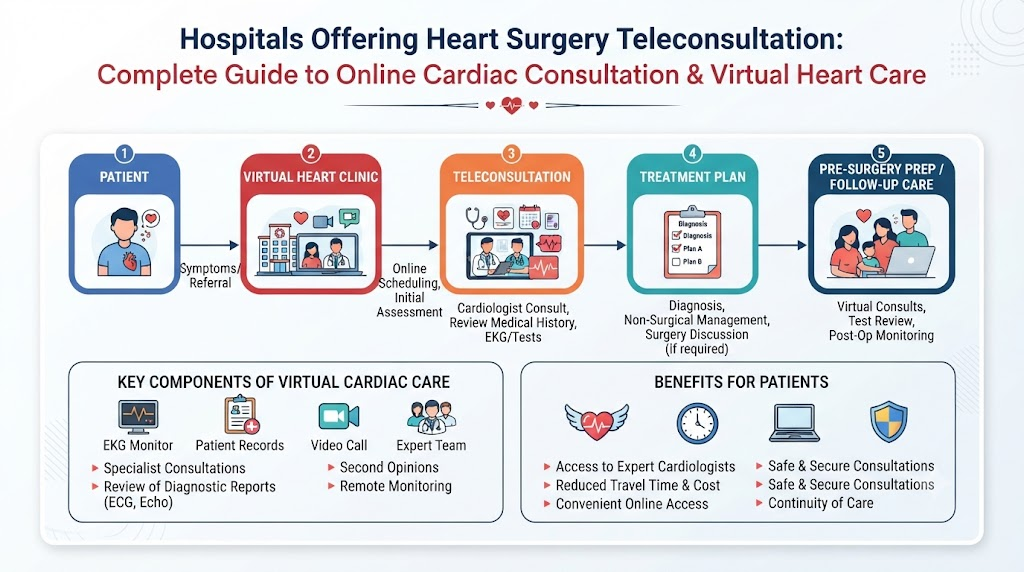
Heart surgery teleconsultation is a specialized division of cardiovascular telehealth that connects patients, their family members, and local primary care doctors with cardiothoracic surgeons and clinical specialists located at distant, highly advanced medical institutions. It utilizes secure, encrypted telecommunication systems to facilitate clinical discussions, diagnostic report assessments, and postoperative recovery monitoring without the immediate need for a physical, in-person clinic visit.
Virtual vs. In-Person Consultations
While a traditional clinic visit relies heavily on a physical hands-on assessment—such as chest auscultation with a stethoscope, physical palpation, and immediate in-office diagnostic tests—a virtual consultation shifts the focus to a collaborative digital review.
During an online cardiac consultation, the surgeon analyzes pre-uploaded diagnostic files, speaks directly with the patient to evaluate their symptoms, mobility, and overall cognitive health, and answers questions from family members. This provides a highly efficient, focused environment for clinical discussion, decision-making, and patient education.
Telemedicine Support Throughout the Surgical Journey
                        [ The Telehealth Lifecycle ]
                                     │
         ┌───────────────────────────┴───────────────────────────┐
         ▼                                                       ▼
[ Pre-Surgical Phase ]                                  [ Postoperative Phase ]
├── Second Opinions & Options                           ├── Daily Incision Monitoring
├── Diagnostic Report Synthesis                         ├── Medication Optimization
└── Family Counseling Sessions                          └── Remote Rehab Support
Digital consultation supports patients at multiple key stages of their surgical journey:
- The Pre-Surgical Phase: Patients can discuss various surgical techniques, assess the risks and benefits of proposed operations, and determine their candidacy for minimally invasive options.
- The Second Opinion Phase: For patients seeking to verify an initial recommendation, a virtual review of their records provides peace of mind and clarity on alternative treatment pathways.
- The Postoperative Phase: Following hospital discharge, patients can check in virtually with their surgical team to monitor wound healing, review medications, and track their daily progress, significantly reducing the stress of post-surgical travel.
Common Communication Methods
Specialized hospitals use multiple secure digital channels to deliver a seamless virtual consultation experience:
- Secure Video Conferencing: High-definition video platforms allow surgeons and patients to interact face-to-face, enabling visual checks of physical stability and surgical incision sites.
- Encrypted Patient Portals: Dedicated hospital portals serve as a secure gateway where patients can upload heavy diagnostic files, download medical reports, and message their care team.
- Direct Phone Consultations: For patients with limited internet access or technical barriers, scheduled telephone reviews ensure they can still receive essential clinical guidance.
Why Heart Surgery Teleconsultation Is Important
Cardiovascular disease remains one of the most significant challenges in global health, requiring highly specialized medical and surgical interventions. In this context, virtual consultations are playing an increasingly vital role in improving patient outcomes and streamlining the delivery of care.
Easier Access to World-Class Specialists
Advanced cardiothoracic surgeries require exceptional surgeon expertise and sophisticated hospital resources. Because these specialized centers are often located in major urban hubs, patients living in rural areas, smaller towns, or foreign countries can face significant barriers to care. Teleconsultation removes these geographical hurdles, allowing patients to connect directly with highly experienced specialists, regardless of where they live.
Convenient, Lower-Stress Second Opinions
[ Primary Care Recommendation ] ──► [ Request Digital Records ] ──► [ Secure Portal Upload ]
                                                                             │
                                                                             ▼
[ Clarified, Confident Treatment Plan ] ◄── [ Online Specialist Review ] ◄───┘
Receiving a recommendation for open-heart surgery is a major, life-altering event. Many patients naturally wish to seek a second opinion to explore alternative techniques, confirm the diagnosis, or simply gain reassurance. Virtual consultations make this process much easier, allowing patients to consult with independent specialists without the physical burden and expense of traveling to multiple hospitals.
Reduced Travel and Financial Relief
For patients recovering from a heart condition, long journeys by plane, train, or car can be physically exhausting and potentially unsafe. Additionally, travel expenses, hotel accommodations, and taking time off work can place a heavy financial burden on families. Telemedicine eliminates these unnecessary travel demands, saving families time and reducing stress during a challenging period.
Faster Clinical Assessments
In complex cardiac cases, timing can be crucial. Waiting weeks for an available in-person appointment at a busy urban hospital can delay important clinical decisions. Teleconsultation programs often feature streamlined digital scheduling systems that allow patients to connect with surgeons much more quickly, facilitating faster evaluations and treatment planning.
Better Continuity of Care
Managing a complex heart condition requires seamless communication between various healthcare providers. Virtual consultation platforms allow local primary care doctors, referring cardiologists, and remote cardiothoracic surgeons to collaborate closely, ensuring that everyone involved in the patient’s care is aligned on the treatment plan.
Vital Support for International Patients
For patients seeking medical care abroad, traveling for an initial assessment can be a major hurdle. Telemedicine allows international patients to consult with foreign specialists, review surgical plans, and coordinate logistics before ever boarding a plane, making international care much more accessible and organized.
Services Offered Through Heart Surgery Teleconsultation
Specialized hospitals offering heart surgery teleconsultation provide a wide range of virtual services, ensuring that patients receive comprehensive support at every stage of their treatment journey.
                    [ Spectrum of Telecardiology Services ]
                                       │
       ┌───────────────────────────────┼───────────────────────────────┐
       ▼                               ▼                               ▼
[ Diagnostic Synthesis ]     [ Surgical Strategy ]          [ Postoperative Care ]
├── Echocardiogram Review    ├── Minimally Invasive Plans   ├── Visual Sternal Exams
├── CT/MRI Angiography       ├── Patient Risk Profiling     ├── Pain Management Guides
└── ECG Waveform Analysis    └── Multidisciplinary Board    └── Direct Recovery Tracking
Pre-Surgical Consultation
Before undergoing surgery, patients can discuss their diagnosis in detail with their cardiothoracic surgeon. These virtual sessions focus on explaining the proposed surgical procedure, exploring alternative approaches, and setting clear expectations for the hospital stay and recovery process.
Expert Second Opinions
A digital second opinion provides an independent review of your cardiac diagnosis and proposed treatment plan. During this process, a surgeon evaluates your records to confirm the necessity of the procedure, discuss alternative options (such as minimally invasive surgeries), and help you make a confident, well-informed decision.
Medical Report Review
This service involves a comprehensive review of your official medical records, including diagnostic results, hospital discharge summaries, and notes from other specialists, helping your remote surgical team gain a complete understanding of your overall health.
Diagnostic Test Interpretation
Hospitals use secure digital sharing systems to review a variety of essential cardiac tests uploaded by patients, including:
- Electrocardiograms (ECGs): To analyze heart rhythm and detect any signs of ischemia or arrhythmia.
- Echocardiograms: To evaluate heart chamber dimensions, valve function, and pumping efficiency (ejection fraction).
- Coronary Angiograms: To examine high-resolution imaging of coronary artery blockages and map out potential bypass pathways.
- Cardiac CT and MRI Scans: To inspect complex structures of the aorta, heart muscle, and surrounding blood vessels.
Medication Review and Management
Patients preparing for or recovering from surgery often take a complex regimen of medications, including blood thinners, blood pressure regulators, and anti-arrhythmics. During a virtual review, your specialist ensures that all medications are optimized, checking for any potential drug interactions and guiding you on which medications to temporarily stop before surgery.
Postoperative Follow-Up Care
After returning home from surgery, patients can check in regularly with their surgical team via video. These sessions are highly effective for:
- Incision Site Assessment: Visually inspecting healing sternal or minimally invasive wounds to check for any signs of infection or swelling.
- Symptom Monitoring: Tracking recovery progress, managing fatigue, and evaluating pain levels.
- Guidance on Gradual Mobilization: Providing clear, safe instructions on returning to light daily activities and walking.
Remote Cardiac Rehabilitation Support
Many hospitals offer virtual cardiac rehabilitation programs, where patients receive supervised exercise guidance, educational resources, and lifestyle counseling from specialized physical therapists, helping them rebuild their physical strength safely from home.
Heart Surgery Teleconsultation Services Comparison Table
| Teleconsultation Service | Primary Clinical Purpose | Patient and Family Benefit | Typical Digital Requirements |
| Pre-Surgery Consultation | To evaluate surgical candidacy and plan the details of the upcoming operation. | Helps patients understand their treatment options and reduces pre-surgical anxiety. | High-definition video camera, patient medical history files, and lab results. |
| Second Opinion Review | To provide an independent expert evaluation of a recommended cardiac procedure. | Increases confidence in treatment decisions and highlights alternative techniques. | Secure file-sharing portal to upload recent cardiac imaging and test results. |
| Diagnostic Report Review | To analyze ECGs, echocardiograms, and coronary angiograms remotely. | Saves patients from having to travel just to have diagnostic reports reviewed. | DICOM-compatible cloud upload system for high-resolution imaging files. |
| Medication Optimization | To evaluate, manage, and coordinate complex cardiac medication regimens. | Reduces the risk of medication errors and clarifies pre-surgical drug guidelines. | Digital photo or list of all current prescriptions, supplements, and dosages. |
| Postoperative Follow-Up | To monitor healing, track recovery milestones, and assess surgical wounds. | Limits the need for stressful travel during the early weeks of surgical recovery. | Close-up, high-definition video capability for clear incision assessments. |
| Cardiac Rehab & Counseling | To guide patients through safe exercises and heart-healthy lifestyle changes. | Helps patients rebuild physical strength and improve their long-term heart health. | Wearable activity tracker or blood pressure cuff, and a stable internet connection. |
Who Can Benefit from Cardiac Teleconsultation?
Virtual cardiac consultation is a highly valuable tool for a wide variety of patients and clinical scenarios:
- Patients Awaiting Heart Surgery: Individuals seeking to discuss their upcoming procedure, understand the risks, and prepare for hospital admission can do so easily without traveling.
- Patients Recovering Post-Surgery: Recovering patients can complete routine incision checks, review their medications, and manage minor symptoms with their surgical team from home.
- Those Seeking an Independent Second Opinion: Patients who want to verify a surgical recommendation or explore less invasive alternatives can quickly connect with an expert second opinion.
- International and Distance-Challenged Patients: Individuals living in remote regions or other countries can consult with leading cardiac centers, avoiding expensive travel for initial discussions.
- Elderly Patients with Limited Mobility: Frail or elderly patients can receive expert evaluations without the physical exhaustion of traveling to a distant clinic.
                    [ Candidates for Virtual Cardiac Consultation ]
                                           │
         ┌─────────────────────────────────┼─────────────────────────────────┐
         ▼                                 ▼                                 ▼
[ Rural & Isolated Patients ]     [ Postoperative Discharges ]      [ Second Opinion Seekers ]
└── No local specialist access    └── Fragile surgical wounds       └── Verifying initial diagnoses
└── Long, stressful travel        └── Restricted mobility phase     └── Exploring less invasive plans
Conditions Commonly Discussed During Teleconsultation
While actual surgical procedures must be performed in a physical operating room, many complex cardiovascular conditions can be thoroughly evaluated, planned, and managed virtually:
Coronary Artery Disease (CAD)
Patients with significant blockages in their coronary arteries can discuss whether they are best suited for Coronary Artery Bypass Grafting (CABG), minimally invasive bypass surgery, or medical management with stenting.
Heart Valve Disease
Specialists can review echocardiograms to assess conditions like aortic stenosis, mitral valve regurgitation, or tricuspid valve disease, helping patients plan for valve repair or replacement surgeries (including options like TAVR).
Congenital Heart Defects
Both adult and pediatric patients with congenital conditions (such as atrial septal defects, ventricular septal defects, or tetralogy of Fallot) can consult virtually to discuss surgical correction options and long-term care plans.
Heart Failure
Patients with advanced heart failure can review their management plans, discuss surgical options like Ventricular Assist Devices (VADs) or heart transplantation, and receive guidance on long-term home monitoring.
Aortic Disorders
Specialists can monitor and plan treatments for conditions such as thoracic aortic aneurysms or aortic dissections, reviewing high-resolution CT scans to determine when surgical intervention is necessary.
Arrhythmias
Patients dealing with complex heart rhythms, such as atrial fibrillation, can discuss surgical options like the Maze procedure, pacemaker implantation, or defibrillator placement virtually.
Preparing for an Online Heart Surgery Consultation
To ensure your virtual consultation is highly effective and productive, it is helpful to prepare ahead of time.
                   [ Virtual Consultation Preparation ]
                                    │
       ┌────────────────────────────┼────────────────────────────┐
       ▼                            ▼                            ▼
[ Technical Setup ]         [ Clinical Records ]         [ Home Vitals Check ]
├── Test Camera & Mic       ├── Scan Labs & Reports      ├── Measure Blood Pressure
├── Secure Portal Check     ├── Convert DICOM Images     ├── Log Daily Heart Rate
└── Locate Quiet Space      └── List All Medications     └── Note Specific Symptoms
1. Compile Your Complete Medical History
Gather all relevant medical records, including diagnostic reports, blood test results, hospital discharge summaries, and notes from other specialists. Having these documents organized in a single digital folder makes uploading them much easier.
2. Upload Your Imaging Studies
Ensure that your cardiac scans—such as coronary angiograms, echocardiograms, and chest CT scans—are saved in a digital format (often as DICOM files on a CD). Upload these files to the hospital’s secure portal well in advance of your appointment so your surgeon has ample time to review them.
3. List Your Current Medications
Write down a complete list of all your medications, including prescription drugs, over-the-counter medicines, vitamins, and herbal supplements. Be sure to note the exact dosage (e.g., 5mg, 50mg) and how often you take them each day.
4. Write Down Your Questions
It is easy to forget important questions during your consultation. Take a few minutes to write down your main concerns, such as:
- Are there minimally invasive options for my surgery?
- What is the expected recovery timeline for this procedure?
- What are the primary risks and benefits involved?
- How should I manage my medications leading up to the surgery?
5. Check Your Technology
- Test Your Device: Ensure your computer, tablet, or smartphone has a working camera, microphone, and speakers.
- Check Your Connection: Use a reliable, stable high-speed internet connection to prevent dropped calls or lagging video.
- Set Up Your Space: Choose a quiet, private, and well-lit room for your call so you can speak openly with your doctor without interruptions.
Advanced Technologies Supporting Cardiac Telemedicine
The success and safety of virtual cardiac consultations are supported by a range of sophisticated digital health technologies.
Secure, Encrypted Communication Platforms
To protect your sensitive medical information, specialized hospitals use communication platforms that comply with strict health privacy regulations (such as HIPAA or GDPR). These systems employ advanced encryption to ensure your personal data and video calls remain entirely private and secure.
High-Resolution Digital Imaging Platforms
Through secure Picture Archiving and Communication Systems (PACS), remote cardiac surgeons can view high-definition diagnostic scans with the same level of detail as they would on a hospital computer, allowing them to make highly accurate evaluations.
Remote Patient Monitoring (RPM) Tools
Modern home medical devices allow patients to share vital health data with their care team in real time. These include:
- Bluetooth-Enabled Blood Pressure Cuffs: To track blood pressure trends throughout your recovery.
- Digital Weight Scales: Essential for monitoring sudden fluid retention in patients recovering from heart failure.
- Home Pulse Oximeters: To measure blood oxygen levels and heart rate during daily activities.
 [ Smart Blood Pressure Cuff ] ──► [ Bluetooth Sync to Mobile App ] ──► [ Secure Cloud Portal ]
                                                                                │
                                                                                ▼
  [ Alerts Scheduled Team ]    ◄─── [ Daily Trend Evaluation ]   ◄─── [ Surgeon Dashboard ]
Wearable Heart Monitors
A variety of modern wearable devices, including smartwatches with single-lead ECG capabilities and specialized clinical patches, allow patients to record their heart rhythms at home and share the data directly with their cardiologist.
Integrated Electronic Medical Records (EMR)
Integrated EMR systems ensure that your virtual consultation notes, test results, and surgical plans are instantly updated and accessible to all members of your care team, promoting seamless, coordinated care.
Benefits and Limitations of Heart Surgery Teleconsultation
While telemedicine offers immense benefits for managing and planning cardiac care, it is important to understand both its advantages and its limitations.
Benefits of Virtual Consultations
- Unparalleled Access to Specialists: Connect with world-class cardiothoracic surgeons, regardless of where you live.
- Reduced Stress and Physical Comfort: Avoid the physical exhaustion and discomfort of traveling while dealing with a heart condition.
- Significant Cost and Time Savings: Save on travel expenses, hotels, and time off work for yourself and your family members.
- Streamlined Medical Reviews: Share all your diagnostic files and reports through a single, secure digital portal.
- Continuous Postoperative Support: Complete routine incision checks and recovery updates comfortably from your own home.
Limitations of Virtual Consultations
- No Physical Examination: A remote surgeon cannot listen to your heart sounds directly, palpate your pulse, or perform a hands-on physical check.
- Not Suitable for Emergencies: Telemedicine is strictly for planned consultations and stable follow-up care; it cannot support medical emergencies.
- Some Tests Require In-Person Visits: Essential tests like coronary angiograms, blood draws, and high-resolution scans must still be performed in person at a physical medical facility.
- Final Surgical Planning May Require an In-Person Visit: Even after a virtual consultation, your surgical team will typically require an in-person evaluation before you undergo surgery to confirm your physical readiness.
Choosing the Right Hospital Offering Heart Surgery Teleconsultation
Selecting the right hospital for your virtual consultation is a vital step in ensuring a safe and successful surgical journey.
[ Hospital Selection Matrix ]
 ├── Surgical Credentials (Board Certification, Volume)
 ├── Security Compliance (Encrypted Portals, HIPAA Guidelines)
 └── Care Coordination (Dedicated Telehealth Nurse Navigators)
Consider the following key criteria when evaluating different cardiac centers:
Reputable Cardiac Surgeons and Care Teams
Ensure the hospital’s team includes highly experienced, board-certified cardiothoracic surgeons who specialize in your specific condition. Look for hospitals with established heart centers that perform a high volume of successful cardiac surgeries each year.
A Secure, User-Friendly Telemedicine Platform
The hospital should utilize a secure, encrypted platform that makes it easy to schedule appointments, upload heavy diagnostic files, and launch video calls without technical hassles.
Seamless Care Coordination
Choose a hospital that provides dedicated telehealth coordinators. These staff members help guide you through the process of uploading your files, setting up your technology, and scheduling your appointments, ensuring a smooth and stress-free experience.
Comprehensive Diagnostic Services
Your chosen hospital should have an efficient system for reviewing complex diagnostic scans, with radiologists and surgeons collaborating closely to analyze your uploaded files.
Integrated Postoperative Support
Look for hospitals that offer structured virtual follow-up programs, including remote incision monitoring, virtual cardiac rehabilitation, and direct access to your care team during your recovery.
Multidisciplinary Heart Team Approach
The best outcomes are achieved when a diverse team of specialists works together. Choose a hospital where cardiothoracic surgeons, clinical cardiologists, imaging specialists, and rehabilitation therapists collaborate to plan your care.
Hospital Selection Checklist
| Feature | Why It Matters | Checked |
| Experienced Surgical Team | Ensures your consultation is guided by highly skilled, specialized cardiothoracic surgeons. | ☐ |
| Secure, Encrypted Portal | Protects your private medical records, images, and video calls in compliance with privacy laws. | ☐ |
| Dedicated Care Navigators | Provides direct assistance with uploading files, scheduling visits, and setting up your tech. | ☐ |
| Efficient Diagnostic Review | Ensures your ECGs, echocardiograms, and angiograms are evaluated accurately by specialists. | ☐ |
| Structured Virtual Follow-Up | Provides ongoing support, incision monitoring, and medication checks after your surgery. | ☐ |
| Multidisciplinary Heart Team | Ensures a collaborative approach, with surgeons and cardiologists designing your plan together. | ☐ |
How BESTHEARTSURGERY Helps Patients Access Cardiac Specialists
Navigating your options for advanced heart surgery can feel overwhelming. The online educational platform at BESTHEARTSURGERY is designed to simplify this process, connecting patients and families with leading cardiac care.
 [ BESTHEARTSURGERY Directory ] ──► [ Filter by Specialist & Virtual Service ]
                                                 │
                                                 ▼
  [ Connect Directly with Accredited Hospitals & Teleconsultation Programs ]
- A Comprehensive Hospital Directory: Easily search for and locate accredited eye and heart care centers that offer specialized virtual consultation services.
- Specialist Credentials and Profiles: Access detailed information about the training, surgical expertise, and clinical focus of leading cardiothoracic surgeons.
- Reliable Educational Resources: Read clear, patient-focused articles and guides to help you understand different heart conditions, surgical options, and recovery steps.
- Support for International Patients: Learn about hospital resources, medical tourism options, and how to coordinate virtual consultations before traveling for care.
- Empowering Informed Decisions: By providing clear, transparent information, the platform helps you make confident, well-informed choices in close partnership with your doctors.
Common Mistakes Patients Make
Being aware of these common pitfalls can help you get the most out of your virtual cardiac consultation:
- Waiting Too Long to Seek Advice: Delaying a specialist consultation because you are hesitant to travel. Virtual consults allow you to get expert guidance early, when more treatment options may be available.
- Sharing Incomplete Medical Records: Forgetting to upload key diagnostic reports or imaging files, which can prevent your surgeon from performing a thorough and accurate evaluation.
- Missing Postoperative Appointments: Skipping scheduled virtual follow-up visits because your incision looks healthy and you feel fine. These visits are essential for catching hidden issues early.
- Using Virtual Care for Emergencies: Attempting to schedule an online consultation when experiencing urgent symptoms like severe chest pain or sudden shortness of breath. Cardiovascular emergencies always require immediate, in-person emergency medical care.
- Ignoring Post-Surgical Symptoms: Dismissing signs of potential complications—such as sudden swelling, weight gain, or redness around your incision—instead of discussing them during your virtual visits.
Practical Solutions
To ensure a successful experience, write down your complete medical history and upload your files several days before your appointment. Keep a paper log of your daily blood pressure, heart rate, and weight to share with your team. Finally, save your hospital’s emergency contact numbers in a prominent place so they are always easy to find.
Common Myths vs Facts
| Myth | Fact |
| Teleconsultation can replace all physical, in-person hospital visits. | While virtual consultations are excellent for reviews, planning, and follow-ups, certain tests, detailed examinations, and actual surgeries must be performed in person. |
| Heart surgery patients cannot be managed safely through online visits. | Pre-surgical planning, diagnostic report reviews, and postoperative recovery monitoring are highly suited to telemedicine, helping to make care safer and more convenient. |
| Virtual consultations are only useful for minor health concerns. | Telemedicine is widely used by advanced cardiac centers to plan complex surgeries, evaluate major valve conditions, and guide postoperative recovery. |
| An emergency like severe chest pain can be evaluated via teleconsultation. | No. Any acute or emergency symptom, such as sudden chest pain or shortness of breath, requires immediate in-person emergency care by calling local emergency services. |
Real-Life Educational Scenarios
Scenario 1: Confirming an Opted Valve Repair Plan via Virtual Second Opinion
A software engineer was diagnosed with severe mitral valve regurgitation and advised to undergo open-heart valve replacement. Seeking a second opinion, he uploaded his echocardiograms and coronary angiograms to a specialized hospital’s portal and scheduled a virtual consultation. The consulting surgeon reviewed the files and explained that he was an excellent candidate for a minimally invasive valve repair instead. This virtual second opinion allowed the patient to proceed with a less invasive procedure with complete confidence.
Scenario 2: Remote Pre-Surgical Coordination for an International Patient
An international patient living in a country with limited access to specialized pediatric cardiac care needed surgery for a congenital heart defect. Through a virtual consultation, she connected with a pediatric cardiothoracic surgeon at an advanced hospital abroad. The surgeon reviewed her diagnostic reports, discussed the surgical plan with her family, and coordinated her hospital admission. This virtual preparation ensured that the family only needed to travel once, with all logistics organized in advance.
Scenario 3: Monitoring Sternal Incision Healing After Bypass Surgery
An elderly patient returned home to a rural town after undergoing coronary artery bypass graft (CABG) surgery. During his first month of recovery, his surgeon monitored his healing sternal incision through weekly high-definition video checkups. During one scheduled call, the nurse coordinator noticed mild redness and swelling around the wound. The team adjusted his wound care plan and prescribed oral antibiotics immediately, preventing a serious infection and allowing him to recover safely at home without a long car trip.
 [ Post-CABG Patient at Home ] ──► [ Weekly High-Definition Video Checkup ]
                                                   │
                                                   ▼
 [ Quick Diagnostic Detection ]  ◄── [ Nurse Identifies Incision Redness ]
  ├── Immediate Wound Care Adjustments
  ├── Prompt Prescription of Oral Antibiotics
  └── Avoided a Painful Emergency Travel Trip
Scenario 4: Managing Complex Medications Safely from Home
Following heart valve surgery, a patient was prescribed a complex regimen of medications, including blood thinners, blood pressure regulators, and diuretics. Feeling overwhelmed by the schedule, she scheduled a virtual checkup with her hospital’s telemedicine nurse. The nurse reviewed each medication on screen, explained their purposes, adjusted the daily schedule to prevent side effects, and provided a clear digital medication chart, helping the patient manage her recovery safely and comfortably.
FAQs
What is heart surgery teleconsultation?
It is a secure, virtual medical service that allows patients and their local doctors to consult with remote cardiothoracic surgeons via video or phone to plan surgeries, review test results, and manage recovery.
Who can benefit from online cardiac consultations?
Patients needing a second opinion, individuals preparing for or recovering from surgery, those with limited mobility, and patients living far from specialized cardiac centers can benefit immensely.
Can teleconsultation replace all physical hospital visits?
No. While virtual visits are highly effective for planning, report reviews, and follow-up care, physical in-person visits remain necessary for hands-on examinations, advanced diagnostic tests, and the actual surgical procedure.
What medical records should I prepare for my virtual appointment?
You should prepare your complete medical history, hospital discharge summaries, a list of current medications, and digital copies of your diagnostic scans (such as ECGs, echocardiograms, and angiograms).
Can I get an expert second opinion online?
Yes. Secure virtual portals allow you to easily upload your diagnostic files and medical records to receive an independent evaluation from an experienced cardiothoracic surgeon.
Is teleconsultation suitable for post-heart surgery care?
Yes. It is highly effective for routine follow-up care, allowing your surgical team to visually check your incision, monitor your recovery, and optimize your medications without the need for stressful travel.
Can diagnostic reports and imaging scans be reviewed virtually?
Yes. Advanced cardiac centers use secure, high-resolution digital imaging systems to review ECGs, echocardiograms, CT scans, and coronary angiograms remotely.
What happens during a typical teleconsultation appointment?
You will connect with your specialist via secure video or phone to discuss your symptoms, review your test results and medical history, outline potential treatment options, and answer any questions you have.
When is an in-person visit absolutely necessary?
An in-person visit is necessary for hands-on physical examinations, complex diagnostic tests (like blood draws or cardiac catheterization), and before your final pre-surgical clearance.
Is my personal health information safe during a teleconsultation?
Yes. Reputable hospitals use secure, encrypted communication platforms that comply with strict medical privacy laws (such as HIPAA or GDPR) to protect your personal information.
Can international patients utilize cardiac teleconsultation services?
Yes. Telemedicine is an excellent resource for international patients, allowing them to consult with foreign specialists, review surgical plans, and coordinate travel logistics before leaving home.
How should I prepare my home environment for the appointment?
Choose a quiet, private, and well-lit room with a stable internet connection. Test your device’s camera, microphone, and speakers before the call starts.
How do I choose the right hospital for a virtual cardiac consultation?
Look for accredited hospitals with highly experienced cardiac surgeons, user-friendly and secure telemedicine platforms, dedicated care coordinators, and comprehensive postoperative support.
What are the main limitations of telemedicine in heart care?
The primary limitations are the inability to perform a hands-on physical examination, the need to travel for certain physical diagnostic tests, and the fact that it cannot support emergency medical needs.
How does BESTHEARTSURGERY help patients find telemedicine services?
The platform offers a comprehensive directory and educational resources to help you locate, compare, and connect with accredited hospitals and specialists offering structured heart surgery teleconsultation.
Final Thoughts
The integration of telemedicine into cardiovascular care represents a major step forward in making expert medical care more accessible, convenient, and patient-centered. Hospitals offering heart surgery teleconsultation provide a vital service, allowing patients to connect with world-class surgical expertise, obtain reliable second opinions, and receive continuous post-surgical support—all from the comfort and safety of home.By combining advanced digital health technology with the skills of multidisciplinary heart teams, these programs ensure that geography is no longer a barrier to receiving exceptional cardiovascular care. While telemedicine cannot replace necessary in-person examinations or immediate emergency treatment for urgent symptoms, it is an invaluable tool for planned consultations, structured follow-up, and patient education.