Introduction
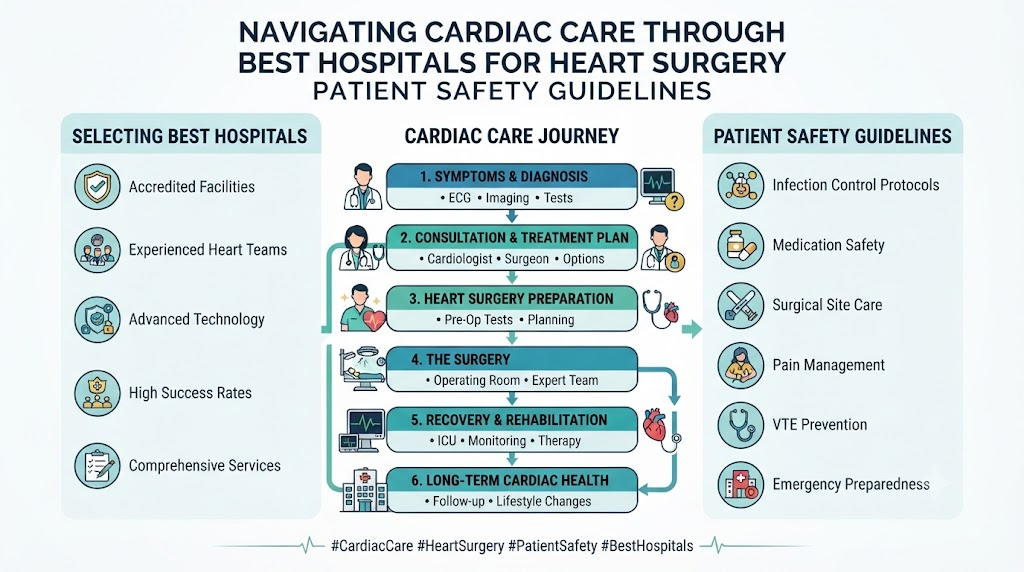
Heart surgery is a significant medical event, and for many patients, the primary concern is safety. When you are facing a cardiac procedure, you want to know that you are in an environment where every detail—from pre-operative screening to post-operative rehabilitation—is managed with the highest standards of care.At BESTHEARTSURGERY, we provide the educational tools and guidance you need to understand the safety journey before, during, and after your procedure. In this guide, we will explore the essential safety guidelines that leading hospitals follow, how you can prepare for your surgery, and why an active partnership with your healthcare team is your best asset for a positive outcome. Remember, all treatment plans should be discussed with your cardiac surgeon, as your safety depends on your unique medical history and specific surgical needs.
Understanding Patient Safety in Heart Surgery
Patient safety in cardiac care refers to the systematic practices used to prevent harm and ensure the best possible surgical result. This encompasses everything from rigorous pre-surgical assessments to the use of sterile, highly regulated operating environments and coordinated care in the Intensive Care Unit (ICU).
By adhering to evidence-based guidelines, hospitals significantly reduce the risk of complications such as infections, blood clots, or rhythm disturbances, ensuring that the care you receive is both predictable and safe.
Why Specialized Heart Surgery Hospitals Improve Safety
A specialized hospital is more than a building; it is a center of cardiac expertise. Key factors that elevate safety include:
- Multidisciplinary Teams: Care is coordinated by surgeons, cardiologists, anesthesiologists, and nurses who work as a single unit.
- Dedicated Cardiac ICU: Post-operative monitoring is performed by staff specifically trained in cardiac recovery.
- Emergency Infrastructure: Immediate access to rapid response teams and specialized surgical equipment.
- Standardized Checklists: The use of internationally recognized safety checklists ensures no step is missed during the surgical process.
Common Heart Surgeries and Safety Protocols
Each heart procedure carries its own set of requirements:
- CABG: Focuses on restoring blood flow; safety protocols include meticulous vessel preparation.
- Valve Repair/Replacement: Requires precise hemodynamic monitoring during the surgery.
- Congenital Heart Surgery: Involves specialized pediatric safety standards.
- Minimally Invasive Surgery: Focuses on safety through smaller incisions and faster healing.
Heart Surgery Safety Checklist
| Safety Measure | Importance |
| Comprehensive Evaluation | Identifies risks before surgery |
| Experienced Surgical Team | Supports high-precision care |
| Advanced OR Technology | Improves monitoring and procedural accuracy |
| Infection Prevention | Reduces post-surgical complications |
| Structured Rehabilitation | Promotes safe, long-term recovery |
Pre-Surgery Patient Safety Guidelines
Preparation is the first step toward safety. This includes:
- Medical Evaluation: A thorough review of your heart and overall physical health.
- Lifestyle Adjustments: Smoking cessation and nutritional support to prepare the body.
- Informed Consent: Clearly understanding the procedure, the risks, and the expected outcomes through dialogue with your surgeon.
Safety During and After Surgery
During Surgery
Safety during the procedure is maintained through continuous anesthesia monitoring, real-time heart rhythm tracking, and strict adherence to sterile techniques to prevent infection.
Post-Surgery
Safety continues in the ICU and beyond. This involves early mobilization to prevent blood clots, meticulous wound care, and pain management strategies that allow you to participate in your own recovery.
Role of the Multidisciplinary Team
A safe surgery is a team effort. Your care team often includes:
- Cardiac Surgeons & Cardiologists: Lead the surgical and medical strategy.
- Anesthesiologists: Ensure stable physiological control during the procedure.
- Rehabilitation Specialists: Guide your physical recovery and heart health training.
Choosing the Right Hospital
When selecting a facility, prioritize hospitals that demonstrate a commitment to quality and transparency. Look for centers with accreditation, dedicated cardiac ICUs, and a robust rehabilitation program.
Hospital Selection Checklist
| Feature | Importance |
| Cardiac ICU | Specialized monitoring |
| Advanced Tech | Precision equipment |
| Infection Control | Lowering risk of post-op complications |
| Cardiac Rehab | Long-term success and heart health |
Common Myths vs. Facts
| Myth | Fact |
| Heart surgery is always extremely dangerous | Techniques and safety protocols have significantly lowered risks |
| Recovery ends after discharge | Recovery continues through cardiac rehabilitation |
| Only surgeons ensure safety | Safety is a joint effort between patients and the entire team |
| All hospitals are the same | Expertise and specialized resources vary by facility |
Common Mistakes Patients Make
- Ignoring Instructions: Failing to follow pre-op diet or medication guidelines can cause delays.
- Skipping Rehab: Cardiac rehabilitation is not optional—it is a critical safety step for heart strengthening.
- Missing Follow-ups: Regular visits are essential to catch small issues before they become serious.
Practical Solution: Keep a notebook of instructions provided by your team and check them off daily.
Real-Life Educational Scenarios
- Pre-Surgical Success: A patient undergoes a full pre-operative assessment that identifies a minor blood pressure issue, allowing the team to stabilize it before surgery.
- Team Coordination: A surgical team uses a standardized safety checklist before the first incision, ensuring all equipment and patient vitals are optimized.
- Successful Recovery: A patient attends every cardiac rehabilitation session, resulting in a stronger heart and a quicker return to daily life.
FAQs
- What are safety guidelines?
Protocols designed to minimize risk during your procedure. - Why is safety important?
To ensure the best physical outcome for your heart health. - How are risks reduced?
Through advanced monitoring and expert teams. - What tests are needed?
Blood work, imaging, and physical exams. - How to prepare?
Follow your doctor’s nutrition and medication advice. - What happens after?
You move to a cardiac ICU for close monitoring. - How long is recovery?
It varies based on the procedure; it is a gradual process. - Why is rehab important?
It builds heart strength safely. - How to choose a hospital?
Check for accreditation and specialized cardiac units. - Questions to ask?
Ask about their surgical success protocols and rehab options. - What is the ICU role?
To manage your transition back to health safely. - How to prevent infection?
Follow wound care instructions to the letter. - What lifestyle changes?
Diet, exercise, and stress management. - Follow-up frequency?
As determined by your surgeon’s protocol. - How does BESTHEARTSURGERY help?
We provide the educational foundation for your decisions.
Final Thoughts
The journey toward heart surgery is a process, not a single day. By selecting a hospital that places patient safety at the center of its mission, you ensure that you are receiving care based on proven quality standards. Your recovery and long-term health are bolstered by your participation in rehabilitation and your ongoing communication with your medical team.We encourage you to use this information as a starting point for discussions with your surgeon. For more resources on navigating your surgical journey, recovery tips, and hospital quality standards, visit BESTHEARTSURGERY. Stay informed, follow your medical team’s guidance, and take an active role in your heart health.