Introduction
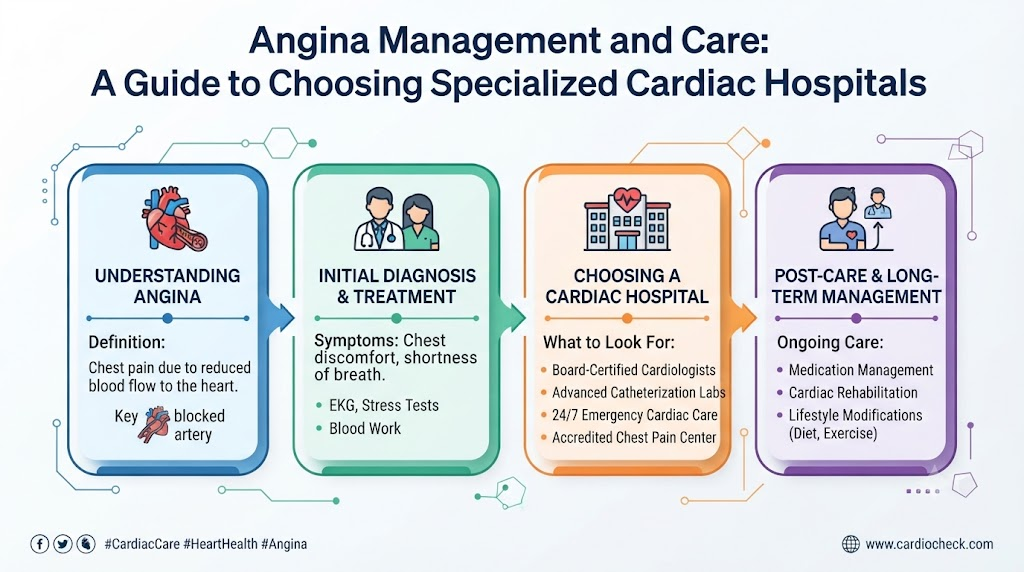
Angina is more than just discomfort in the chest; it is a critical warning signal that your heart muscle is struggling to receive the oxygen-rich blood it needs. Ignoring these signals can lead to severe cardiovascular consequences, which is why timely diagnosis and intervention are essential for preserving heart function and improving quality of life.When dealing with chest pain or diagnosed coronary conditions, the facility you choose makes a significant difference. Specialized cardiac hospitals offer a higher standard of care through dedicated emergency teams, advanced imaging technology, and surgeons who specialize in interventional procedures. Understanding your options and knowing what to look for in a facility can empower you to take control of your heart health. For reliable guidance on navigating cardiac hospital options and understanding treatment pathways, you can explore BestHeartSurgery.
What Is Angina?
Angina is a symptom of reduced blood flow to the heart, often described as chest pain, tightness, or pressure. It is typically caused by underlying coronary artery disease, where arteries become narrowed or blocked by plaque.
- Stable Angina: Occurs predictably during physical exertion or emotional stress and usually subsides with rest.
- Unstable Angina: A medical emergency that occurs at rest or with minimal effort; it is unpredictable and often precedes a heart attack.
- Microvascular Angina: Involves the smallest coronary arteries and may not show the same blockages as other types.
- Variant (Prinzmetal) Angina: Caused by a sudden spasm of the coronary artery.
Why Choosing Specialized Hospitals for Angina Matters
Cardiac care is a time-sensitive discipline. Hospitals dedicated to cardiac excellence provide a framework that saves heart muscle and improves outcomes.
- Emergency Response: Specialized hospitals have 24/7 emergency cardiac teams ready to act the moment a patient arrives.
- Cath Lab Availability: Immediate access to a catheterization laboratory is crucial for clearing blockages during a heart event.
- Multidisciplinary Teams: You benefit from the combined expertise of cardiologists, cardiac surgeons, and ICU specialists.
- Advanced Diagnostics: Access to high-resolution imaging that is essential for precise treatment planning.
Common Symptoms of Angina
Recognizing the signs is the first step in seeking life-saving care.
Angina Symptoms Comparison Table
| Symptom | Possible Meaning |
| Chest pain | Reduced blood flow to heart |
| Breathlessness | Oxygen deficiency |
| Arm/jaw pain | Referred cardiac pain |
| Fatigue | Weak heart function |
| Sweating | Acute cardiac stress |
Causes and Risk Factors
Coronary artery disease is the most common cause, but several factors contribute to the progression of heart issues:
- High blood pressure and cholesterol.
- Diabetes and sedentary lifestyle.
- Smoking and obesity.
- Chronic stress and family history.
Diagnostic Tests for Angina
Specialized hospitals use various tools to determine the state of your heart.
Diagnostic Tests Table
| Test | Purpose | Importance |
| ECG | Detect rhythm issues | First-line test |
| Stress Test | Check heart function | Detect hidden blockage |
| Angiography | Identify blockages | Gold standard |
| Echo | Evaluate heart structure | Functional assessment |
Treatment Options in Angina Hospitals
Care is highly personalized based on the severity of your blockages.
- Medications: Nitrates for pain, beta-blockers to lower heart rate, and statins to manage cholesterol.
- Angioplasty/Stenting: Inserting a small tube to hold a blocked artery open.
- Bypass Surgery (CABG): Creating a detour for blood to flow around a blockage.
- Cardiac Rehabilitation: Supervised exercise programs to rebuild cardiovascular strength.
Advanced Cardiac Technologies
Leading hospitals use cutting-edge technology to increase the precision of every procedure.
Technology Comparison Table
| Technology | Use | Benefit |
| Cath Lab | Angioplasty | Immediate treatment |
| IVUS | Artery imaging | Precision diagnosis |
| FFR | Blood flow analysis | Better decision-making |
| Hybrid OR | Complex surgery | Safety & accuracy |
How to Choose the Best Hospital for Angina Treatment
When comparing facilities, focus on these critical factors:
- Experienced Doctors: Check for a team with extensive experience in interventional cardiology.
- Emergency Capability: Does the hospital have a dedicated 24/7 cardiac emergency unit?
- ICU Support: Specialized critical care is vital for post-procedural recovery.
- Accreditation: Look for hospitals with recognized quality certifications (such as NABH or JCI).
Hospital Selection Checklist
- Emergency Care: Can they manage a heart emergency immediately?
- Cath Lab Facilities: Is the equipment modern and well-staffed?
- Follow-up Support: Does the hospital provide a clear long-term recovery plan?
Emergency Care for Angina
If you experience sudden, intense chest pain, especially if it does not go away with rest, call for emergency help immediately. Do not attempt to drive yourself. Every minute of delay increases the risk of permanent heart muscle damage.
Recovery and Long-Term Heart Care
Recovery is a journey that requires lifestyle changes:
- Strict Medication Adherence: Take your prescribed heart medications daily.
- Dietary Changes: Shift toward heart-healthy, low-sodium meals.
- Stress Management: Practice mindfulness or relaxation techniques.
- Regular Checkups: Monitor your progress through frequent cardiac assessments.
Heart-Healthy Lifestyle Tips
- Balanced Diet: Focus on whole grains, fruits, vegetables, and lean proteins.
- Daily Walking: Consistent, low-impact exercise strengthens the heart.
- Weight Control: Maintaining a healthy weight significantly lowers heart workload.
- Blood Pressure Monitoring: Keep a log to share with your cardiologist during your next visit.
Common Mistakes Patients Make
- Ignoring Early Signs: Thinking “it’s just heartburn” when it’s actually angina.
- Self-Medicating: Using over-the-counter pills to mask cardiac symptoms.
- Stopping Medication Early: Discontinuing heart meds because you feel “fine” is dangerous.
- Delaying Hospital Visits: Waiting to see if pain “passes” can lead to irreversible heart damage.
Real-Life Case Scenarios
- Early Detection: A patient noticed mild chest pressure during exercise. Because they sought an immediate assessment at a specialized hospital, a hidden blockage was identified and treated before a heart attack occurred.
- Emergency Intervention: A patient suffered acute chest pain at home. Emergency services transported them to a cardiac hospital where an immediate angioplasty restored blood flow, allowing for a full recovery.
FAQs (15 Questions)
- What is angina?
It is chest pain or pressure caused by limited blood flow to the heart. - Is angina dangerous?
It is a serious indicator that the heart is not getting enough blood. - What causes chest pain?
It can be cardiac, but only a doctor can determine the source. - When should I go to the hospital?
Whenever chest pain is severe, new, or persistent. - Can angina be treated?
Yes, through lifestyle, medication, or surgery. - What tests diagnose it?
ECGs, stress tests, and angiography. - Is angioplasty safe?
It is a standard, widely performed, and generally safe procedure. - Is bypass surgery required?
Only if blockages are too complex for angioplasty. - Can lifestyle changes help?
They are the foundation of managing heart health. - What foods are good?
Vegetables, whole grains, and omega-3 rich fish. - Is angina a heart attack?
No, but it is a major warning sign. - How long is recovery?
This depends on the specific treatment provided. - Can stress cause angina?
Yes, emotional stress spikes the heart’s oxygen demand. - Which hospital is best?
Look for one with high volume, emergency capability, and experienced staff. - How to prevent angina?
Control blood pressure, cholesterol, and stay active.
Final Thoughts
The management of angina is a proactive partnership between you and your healthcare team. Early detection, choosing a specialized cardiac facility, and committing to a heart-healthy lifestyle are the most powerful tools you have to protect your long-term health. If you are experiencing symptoms, do not hesitate to seek medical advice. For more information on finding reliable cardiac care and understanding your options, continue exploring BestHeartSurgery.