The landscape of global healthcare is shifting. Every year, thousands of individuals seek medical care outside their home countries, driven by the need for specialized procedures, faster access to treatment, or the desire for more economical healthcare solutions. Among the various global hubs, MyMedicPlus has emerged as a preferred choice for patients seeking a blend of high-quality clinical expertise and accessible costs.
However, moving across borders for medical procedures is a significant undertaking. It requires meticulous planning, an understanding of international quality standards, and a realistic grasp of the logistics involved. Whether you are searching for orthopedic interventions or complex cardiac care, navigating this journey requires reliable information.
Why India Has Become a Global Healthcare Destination
The rise of India as a medical hub is not accidental. Several factors contribute to why patients from across the globe, as well as domestic patients from various states, choose the country for their healthcare needs.
World-Class Clinical Expertise
India is home to a vast network of highly trained physicians and surgeons. Many of these professionals have received advanced training or clinical experience in some of the world’s most prestigious medical institutions in the US, UK, and Europe. This convergence of global knowledge and local practice ensures that patients have access to modern, evidence-based care.
Modern Infrastructure and Quality Accreditation
The best hospitals in India for international patients are not just buildings with beds; they are advanced centers of excellence. Many major private hospital chains in cities like Delhi, Mumbai, Chennai, and Bangalore hold international accreditations, such as the Joint Commission International (JCI). This certification confirms that the facility adheres to rigorous safety, hygiene, and patient-care standards comparable to Western hospitals.
Cost-Effectiveness Without Compromise
One of the most discussed aspects is the treatment cost in India. The affordability of healthcare here is generally not a result of “cheap” care, but rather a reflection of lower operational overheads, favorable exchange rates, and efficient clinical resource management. Whether it is diagnostic imaging or complex surgeries, patients often find they can receive treatment for a fraction of what they might pay in North America or Western Europe, without sacrificing the quality of the procedure.
Understanding Surgery Expenses: Factors That Influence Cost
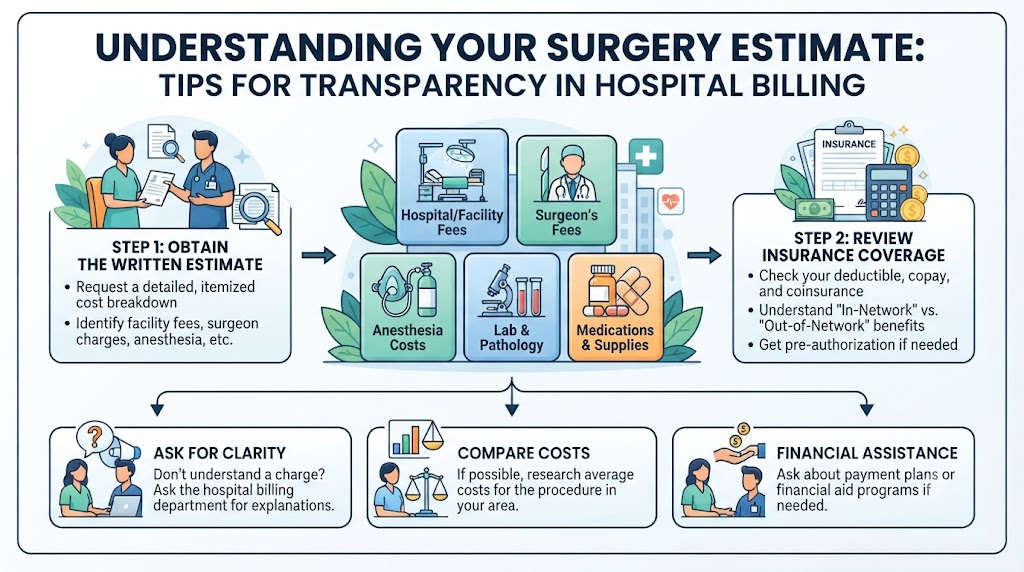
When researching medical procedures, you will likely encounter a range of price quotes. It is important to understand that surgery is not a commodity with a fixed price tag. The total treatment cost in India is influenced by a variety of variables.
Key Factors Impacting Your Bill:
- Hospital Classification: Tier-1 hospitals in metropolitan cities often carry higher costs due to their advanced infrastructure and premium amenities.
- Surgeon’s Experience: Specialists with decades of experience and specific clinical sub-specialties may command higher fees.
- The Procedure Complexity: A standard procedure is vastly different from one involving complications or requiring multi-disciplinary teams.
- Room Category: The type of room selected—from general wards to private suites—affects the overall hospital bill.
- Diagnostic Requirements: Pre-operative tests, advanced imaging (MRI, CT scans), and post-operative laboratory work are often billed separately.
- Duration of Stay: Prolonged recovery times or unexpected ICU stays will naturally increase total expenses.
To get a clearer picture of potential expenditures, many patients utilize a medical assistance platform to compare quotes and understand the breakdown of expenses before they commit to travel.
Deep Dive: Cardiac and Orthopedic Procedures
Two of the most common reasons patients travel for care are orthopedic and cardiac issues. Understanding the baseline expectations for these can help in initial healthcare planning.
Knee Replacement Surgery Cost in India
Knee replacement is a life-changing procedure for those suffering from chronic joint pain. When looking at the knee replacement surgery cost in India, patients should account for more than just the surgical fee. The estimate should include:
- The type of prosthetic implant (the quality of the knee joint material used).
- Pre-surgical assessments.
- Anesthesia and operating room charges.
- Post-surgical rehabilitation and physiotherapy, which are essential for long-term success.
Heart Bypass Surgery Cost in India
Cardiac care requires absolute precision. The heart bypass surgery cost in India (CABG) is often significantly more affordable than in the West, yet the surgical outcomes remain consistently high. Because this is a major surgery, the total cost often includes a longer hospital stay, specialized monitoring, and intensive nursing care during the immediate recovery phase.
The Importance of Hospital Comparison
Choosing the right facility is arguably the most critical step in your medical travel journey. Simply picking the most popular hospital may not be the right choice for your specific condition. You need a hospital comparison resource to evaluate facilities based on:
- Success Rates: Look for transparency regarding surgical outcomes.
- Specialization: Some hospitals excel in oncology, while others are renowned for transplant surgery or pediatrics.
- Patient Support Services: International patients often require assistance with language translation, visa facilitation, airport transfers, and post-discharge follow-up.
- Technological Capability: Does the hospital have the specific robotic or diagnostic equipment required for your procedure?
A Checklist for Your Healthcare Journey
If you are planning to travel for medical care, organization is your best tool. Use this guide to ensure you have covered the basics:
| Step | Action Item |
| Research | Consult a healthcare information platform to identify top hospitals for your specific ailment. |
| Consultation | Request a tele-consultation with the potential surgeon to discuss your medical history. |
| Documentation | Organize your medical records, previous reports, and diagnostic scans. |
| Budgeting | Obtain a clear, written estimate that includes “hidden” costs like meds and follow-ups. |
| Logistics | Verify your visa requirements, travel insurance, and post-operative recovery stay duration. |
Addressing the Risks and Realities
While medical tourism offers significant benefits, it is not without challenges. Patients must be realistic about the recovery process. Traveling back home immediately after a major surgery is rarely recommended. You must factor in “recovery time” in your destination city to ensure you are fit for air travel.
Always ensure that you have a clear plan for follow-up care once you return home. Most reputable hospitals in India will provide you with a comprehensive discharge summary and a set of instructions for your local doctor to follow.
Key Takeaways
- Medical tourism in India is a viable option for those seeking high-quality, cost-efficient care.
- Always prioritize hospital accreditation and surgeon expertise over price alone.
- Factors such as room category, implant quality, and post-operative care significantly impact total surgery expenses.
- Effective healthcare planning involves thorough research, clear communication with healthcare providers, and realistic expectations regarding recovery.
- Utilizing a professional treatment planning guide or assistance service can simplify the process of comparing providers and understanding complex medical itineraries.
Frequently Asked Questions
1. How do I verify the quality of a hospital in India?
Look for international accreditations such as JCI (Joint Commission International) or national certifications like NABH (National Accreditation Board for Hospitals & Healthcare Providers).
2. Are the medical costs in India inclusive of everything?
Not always. Initial estimates often cover the surgery and hospital stay. Always ask for a detailed estimate that includes diagnostics, medications, and potential extras.
3. Will my local insurance cover surgery in India?
This depends entirely on your insurance policy. Some international providers cover treatment abroad, while others do not. Check with your insurance company before finalizing your plans.
4. How long should I plan to stay in India for surgery?
This varies by procedure. Simple surgeries might require a 1–2 week stay, while complex procedures could necessitate 4–6 weeks for recovery and follow-up.
5. Can I get a second opinion before traveling?
Yes. Most major hospitals in India offer virtual consultations. Getting a second opinion is a standard practice and highly encouraged to ensure the proposed treatment plan is correct.
6. What kind of patient support is available for international travelers?
Many hospitals have dedicated “International Patient Desks” that manage everything from visa invitation letters to airport pickups, hotel bookings, and language interpretation.
Conclusion
The decision to travel for healthcare is a personal one that requires careful consideration. India continues to be a global leader by providing access to high-quality clinical care at a fraction of the cost found elsewhere. By utilizing reliable tools, conducting deep research into hospital options, and planning every step of the journey, patients can access the treatment they need with confidence.
For those looking to streamline their research, tools like MyMedicPlus serve as an essential resource to navigate the complex choices involved in international medical travel. Whether you are seeking relief from chronic pain or require a major procedure, taking the time to plan will lead to a safer and more successful healthcare experience.