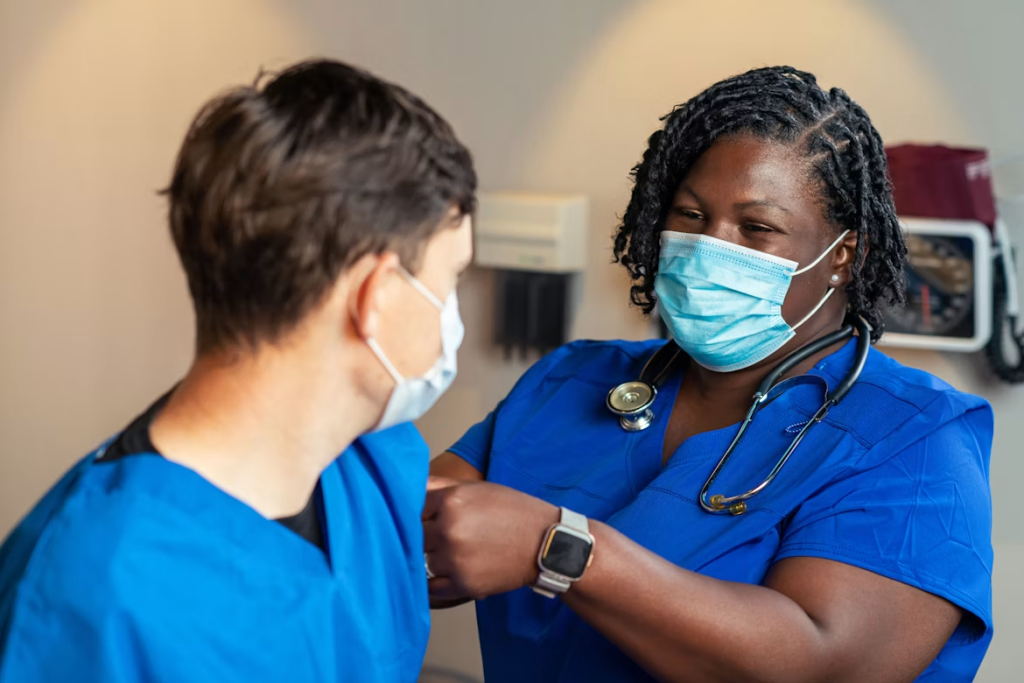
Preventive cardiology is only as strong as the professionals delivering it day in and day out. Advanced practice nurses have stepped into that responsibility with clinical precision and a depth of patient knowledge that is hard to replicate.
Heart disease accounts for roughly 695,000 deaths in the United States every year, translating to nearly one in five deaths recorded nationally. These nurses are positioned at the front lines of prevention, identifying risk early and guiding patients through evidence-based care pathways.
This article looks at how advanced nursing is strengthening cardiovascular prevention in ways the broader healthcare system increasingly depends on.
Why Preventive Cardiology Needs Advanced Nursing?
Cardiovascular risk does not appear overnight. It builds gradually over the years, through rising blood pressure, unchecked cholesterol, lifestyle patterns, and underlying conditions that go unaddressed for too long.
Such slow progression is exactly where advanced practice nurses make their presence felt. They can catch warning signs early and act on them before they escalate into something far more serious.
Keith Churchwell, American Heart Association volunteer president, put that urgency into plain words in 2025. “In the U.S., someone dies of cardiovascular disease every 34 seconds,” he said. For advanced nurses, figures like this make early risk detection, patient education, and steady follow-up central to everyday care.
Advanced practice nurses are structured for precisely that kind of sustained work. They maintain continuity across patient visits, coordinate between specialists, and keep education and follow-up running consistently. They ensure that patients stay informed, engaged, and on track between appointments.
How Do Advanced Nurses Identify Cardiovascular Risk Earlier?
Early identification of cardiovascular risk is where advanced practice nurses deliver some of their most consequential clinical work. Catching risk early requires structured assessment, sharp clinical judgment, and consistent follow-through.
Screening for Core Risk Factors
Advanced practice nurses begin with a systematic review of the most established cardiovascular risk indicators, including blood pressure, cholesterol levels, blood glucose, and body mass index.
These markers seldom tell the full story alone, so nurses assess them together, looking for patterns that signal compounding risk. Regular, structured screening is what separates early intervention from late-stage crisis management.
Assessing Patient History and Daily Habits
A patient’s clinical numbers only reveal part of the picture. Advanced practice nurses dig deeper into personal and family medical history, dietary patterns, physical activity levels, smoking history, and stress.
These factors shape cardiovascular risk in ways that lab results alone cannot capture. Building this fuller profile allows nurses to tailor prevention strategies to each patient’s actual life circumstances.
Interpreting Diagnostic Data With Clinical Precision
Reading diagnostic data accurately is a core clinical responsibility for advanced practice nurses. They work with electrocardiograms, lipid panels, and imaging results to build a complete picture of a patient’s cardiovascular health.
Studies show that nurse practitioners order and interpret diagnostic tests with strong clinical accuracy across chronic disease management, including cardiovascular care. Getting this step right is what makes early risk identification reliable and actionable.
Translating Risk Into a Personalised Prevention Plan
Identifying risk is only half the work. Advanced practice nurses translate clinical findings into structured, patient-specific prevention plans covering medication, lifestyle modification, and follow-up schedules. This step closes the distance between a diagnosis on paper and meaningful change in a patient’s daily health trajectory.
How Can Nurses Grow Into Broader Prevention Roles?
Advanced practice nursing is no longer limited to managing acute episodes. Nurses today are taking on structured prevention roles across cardiology care settings, and their scope of responsibility has grown considerably. Getting there requires deliberate clinical growth, stronger leadership skills, and deeper educational grounding.
Building Clinical Depth and Leadership for Prevention
Over the years, preventive cardiology has grown more complex, more collaborative, and more demanding of clinical depth.
Nurses stepping into advanced prevention roles need preparation going well beyond bedside care. As prevention becomes more data-driven, team-based, and patient-centered, a stronger grounding in clinical decision-making becomes essential.
Structured academic programs are helping nurses build precisely these capabilities, combining advanced clinical training with practical leadership preparation relevant to cardiovascular care settings.
Then there are programs that go further, preparing nurses to independently lead patient care from assessment through long-term management.
For example, Wilkes University RN-MSN programs equip nurse practitioners to take on advanced clinical responsibilities, including patient examination, medication prescribing, and diagnostic testing. These capabilities position nurses to lead prevention work meaningfully and guide patients through long-term cardiovascular care.
Mastering Risk Assessment and Early Intervention
Identifying cardiovascular risk before symptoms surface requires structured clinical competency, not intuition alone. Advanced practice nurses develop strong skills in screening protocols, risk stratification, and interpreting diagnostic data.
A 2024 report from the American College of Cardiology found nurse-led risk screening programs reduced major cardiac events by nearly 30% in high-risk patient populations.
For patients carrying multiple risk factors, including hypertension, diabetes, or elevated cholesterol, this early clinical eye makes a measurable difference in how care unfolds.
Guiding Patients Through Long-Term Behavior Change
Helping patients commit to meaningful lifestyle changes is a clinical skill in itself. Advanced practice nurses are trained to deliver education in ways patients can easily absorb and act on consistently over months and years.
Sustained behavioral change in cardiovascular prevention almost always traces back to a trusted, knowledgeable clinical relationship built carefully over time.
Coordinating Care Across Cardiology Teams
Preventive cardiology works best when every member of a care team stays aligned. Advanced practice nurses coordinate across physicians, dietitians, pharmacists, and specialists, keeping communication clear and care plans consistent.
Recent research confirms that nurse-led, team-based models drive meaningful improvement in both primary and secondary cardiovascular prevention. For patients with complex, overlapping risk factors, this coordination keeps prevention structured and continuous.
Where Advanced Nursing in Preventive Cardiology Is Headed
The demand for preventive cardiovascular care is growing, and advanced practice nurses are stepping into that space with greater autonomy and clinical authority than ever before. Several U.S. states have expanded full practice authority for nurse practitioners, allowing them to assess, diagnose, and manage patients independently.
This legislative momentum is opening doors across underserved communities where physician access remains limited.
As cardiovascular prevention becomes more proactive and population-focused, advanced practice nurses are increasingly leading care protocols and shaping prevention policy at an institutional level.
Their role is no longer supplementary. It is turning out to be central to how preventive cardiology functions and scales going forward.
Frequently Asked Questions
1. What do advanced practice nurses do in preventive cardiology?
They screen for cardiovascular risk, educate patients, manage chronic conditions, coordinate care across specialists, and support long-term prevention through consistent clinical follow-up.
2. How does advanced nursing education support cardiovascular prevention?
Advanced programs build clinical decision-making, diagnostic, and leadership skills that prepare nurses to manage complex cardiovascular risk independently and effectively over time.
3. Are nurse practitioners allowed to practice independently in the U.S.?
Several U.S. states have granted nurse practitioners full practice authority, allowing them to assess, diagnose, and treat patients without physician oversight.
Key Data Points at a Glance
| Data Point | Detail |
| Annual U.S. heart disease deaths | Approximately 695,000, representing nearly one in five deaths nationally |
| Cardiovascular disease death rate | One American dies every 34 seconds, per AHA volunteer president Keith Churchwell, 2025 |
| Nurse-led screening impact | Nurse-led risk screening reduced major cardiac events by nearly 30% in high-risk patients, per a 2024 ACC report |
| Team-based care outcomes | Nurse-led, team-based models drive meaningful improvement in both primary and secondary cardiovascular prevention |
The Clinical Case Is Clear
Cardiovascular prevention works when it is consistent, personalized, and clinically rigorous. Advanced practice nurses bring all three to the table, across screenings, education, care coordination, and long-term follow-up.
As healthcare systems increasingly prioritize prevention over acute intervention, the demand for nurses with advanced cardiovascular training will continue to grow. For professionals in this field, it represents a meaningful and well-supported career direction.